
Why L-Glutathione and Biotin Matter for Your Skin
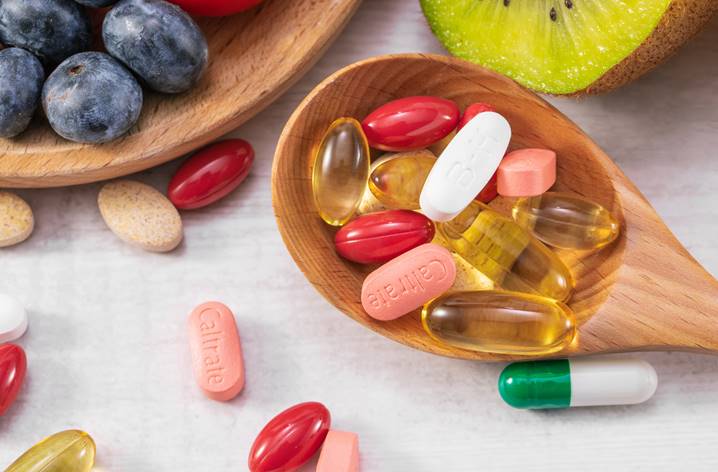
Healthy, radiant skin is often considered a reflection of overall wellness. While skincare products can help protect the skin externally, nutrition plays an equally important role in supporting skin health from within. Among the most popular beauty nutrients today are L-Glutathione and Biotin, two compounds that work through different but complementary mechanisms to promote a healthier complexion.
L-Glutathione is known as the body’s “Master Antioxidant” because it helps neutralize free radicals, reduce oxidative stress, and protect skin cells from environmental damage. Biotin, also known as Vitamin B7, supports healthy skin cell metabolism and contributes to maintaining the skin’s protective barrier.
Together, L-Glutathione and Biotin form a powerful beauty duo that supports skin brightness, hydration, cellular protection, and overall skin wellness. Modern clinical research suggests that antioxidant protection and nutritional support may help maintain youthful, healthy-looking skin while protecting against factors that contribute to premature aging.
Understanding L-Glutathione and Biotin in Skin Health
L-Glutathione is a naturally occurring antioxidant composed of three amino acids: glutamine, glycine, and cysteine. It is found in nearly every cell of the body and plays a critical role in detoxification, immune function, and protection against oxidative damage.
Biotin is a water-soluble B vitamin involved in fatty acid metabolism, energy production, and skin cell maintenance. Healthy skin requires constant renewal, and biotin helps support the metabolic processes necessary for this regeneration.
Together, these nutrients provide comprehensive support by helping protect skin cells from damage while promoting normal skin structure and function.

How L-Glutathione Supports Skin Brightness and Even Tone
One of the most recognized benefits of L-Glutathione is its role in supporting a brighter and more even-looking complexion.
Glutathione helps regulate melanin production by influencing the activity of tyrosinase, an enzyme involved in skin pigmentation. Research published by Weschawalit et al. in the Clinical, Cosmetic and Investigational Dermatology journal reported improvements in skin appearance following oral glutathione supplementation.
In addition to supporting skin brightness, glutathione helps protect skin cells against oxidative stress caused by UV radiation, pollution, and environmental toxins, which are major contributors to dull and uneven skin tone.
The Antioxidant Power of L-Glutathione for Skin Protection
Every day, skin is exposed to oxidative stress from sunlight, pollution, smoking, and other environmental factors. These stressors generate free radicals that can damage collagen, elastin, and cellular structures.
L-Glutathione acts as one of the body’s most important antioxidant defense systems by:
- Neutralizing free radicals
- Supporting cellular repair
- Protecting collagen integrity
- Reducing oxidative damage
Studies have shown that maintaining healthy glutathione levels may help reduce visible signs of environmental skin aging and support long-term skin health.
How Biotin Supports Healthy Skin Function
While glutathione focuses on antioxidant protection, biotin contributes directly to skin structure and maintenance.
Biotin plays a crucial role in:
- Skin cell metabolism
- Fatty acid synthesis
- Skin barrier integrity
- Cellular energy production
Healthy skin requires a strong barrier to retain moisture and protect against irritants. Biotin helps support this barrier function, contributing to smoother and healthier-looking skin.
According to Patel et al. published in Skin Appendage Disorders, biotin deficiency can manifest as dry, scaly, or irritated skin, highlighting its importance in maintaining normal skin physiology.

L-Glutathione and Biotin for Skin Hydration
Hydrated skin appears smoother, softer, and more youthful. While neither glutathione nor biotin directly functions as a humectant like hyaluronic acid, both nutrients contribute to skin hydration through different mechanisms.
Glutathione helps protect skin cells from oxidative damage that may impair normal barrier function, while biotin supports the production and maintenance of healthy skin cells.
Together, they help support:
- Healthy moisture retention
- Improved skin texture
- Enhanced skin smoothness
- Better overall skin appearance
Can L-Glutathione and Biotin Reduce Signs of Skin Aging?
Premature skin aging is influenced by oxidative stress, collagen degradation, inflammation, and impaired cellular repair.
L-Glutathione may help combat these processes through its antioxidant activity, while biotin supports healthy cellular metabolism necessary for skin renewal.
Research suggests that antioxidant-rich nutritional strategies may help reduce the appearance of:
- Fine lines
- Dullness
- Uneven skin tone
- Environmental skin damage
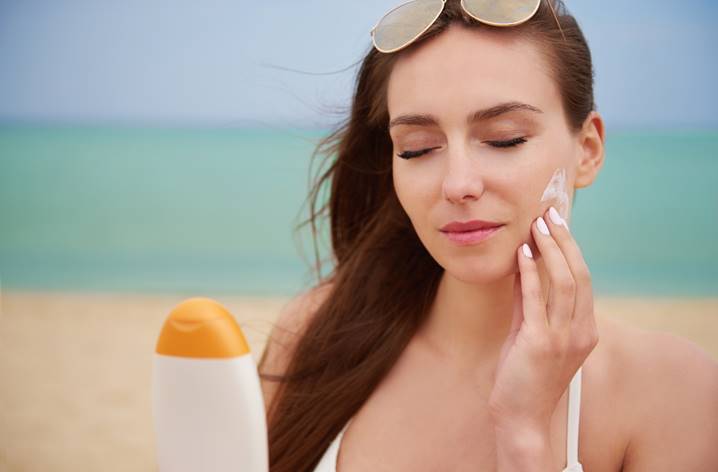
Although neither nutrient should be viewed as a replacement for sunscreen or comprehensive skincare, they may serve as valuable components of an overall skin wellness routine.
The Role of L-Glutathione and Biotin in Skin Repair and Renewal
Skin constantly undergoes renewal and repair. Environmental damage, UV exposure, and daily stress can impair this process over time.
Glutathione supports cellular defense mechanisms and detoxification pathways, while biotin provides metabolic support for healthy skin cell turnover.
This combination may help:
- Support natural skin regeneration
- Promote healthy skin texture
- Maintain skin resilience
- Enhance overall skin vitality
What Causes Poor Skin Health?
Several factors can negatively affect skin appearance and accelerate visible aging:
- Excessive UV exposure
- Environmental pollution
- Smoking
- Chronic stress
- Poor nutrition
- Sleep deprivation
- Oxidative stress
- Vitamin deficiencies
These factors may reduce antioxidant defenses and impair normal skin function, contributing to dryness, dullness, uneven tone, and premature aging.
How to Boost L-Glutathione and Biotin Naturally
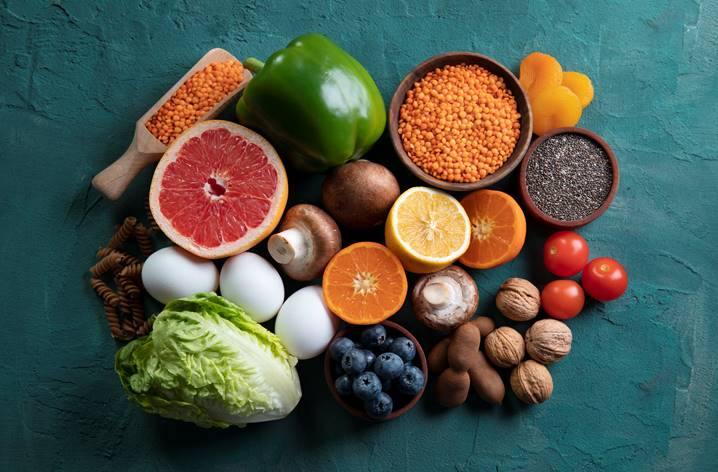
Supporting healthy skin begins with proper nutrition and lifestyle habits.
Foods Rich in Glutathione Precursors
- Avocados
- Asparagus
- Spinach
- Broccoli
- Garlic
- Onions
- Whey protein
Foods Rich in Biotin
- Eggs
- Salmon
- Nuts
- Seeds
- Sweet potatoes
- Mushrooms
- Legumes
Final Thoughts
L-Glutathione and Biotin offer complementary benefits that support skin health from within. Glutathione provides powerful antioxidant protection against environmental damage, while biotin supports healthy skin structure, metabolism, and barrier function.
Together, they may help promote brighter, healthier-looking skin, improve overall skin resilience, and support a youthful complexion. When combined with a balanced diet, sun protection, proper hydration, and healthy lifestyle habits, L-Glutathione and Biotin can become valuable allies in a long-term skin wellness strategy.
Clinical
- Weschawalit S, Thongthip S, Phutrakool P, Asawanonda P. Oral glutathione for skin whitening: A randomized, double-blind, placebo-controlled study. Clinical, Cosmetic and Investigational Dermatology. 2017.
- Handog EB, Datuin MS, Singzon IA. An open-label randomized comparative study of oral glutathione and oral glutathione with antioxidants in skin lightening. Journal of Dermatological Treatment. 2016.
- Patel DP, Swink SM, Castelo-Soccio L. A Review of the Use of Biotin for Hair Loss. Skin Appendage Disorders. 2017;3(3):166-169. PMID: 28879195.
- Yelich A, Jenkins H, Holt S, Miller J. Biotin for Hair Loss: Teasing Out the Evidence. Journal of Clinical and Aesthetic Dermatology. 2024;17(8):56-61.
- Schagen SK. Topical and oral antioxidants in skin health. Nutrients. 2017;9(8):866.