

Menstrual irregularities are common reproductive health concerns that affect millions of women worldwide. A normal menstrual cycle generally occurs every 21 to 35 days and lasts between 2 to 7 days. When the menstrual cycle becomes unpredictable, excessively painful, unusually heavy, or absent altogether, it may indicate a menstrual irregularity.
Although occasional changes in the menstrual cycle can happen due to stress, travel, hormonal fluctuations, or lifestyle changes, persistent irregularities may signal an underlying medical condition that requires attention. Understanding the different types of menstrual irregularities, their causes, symptoms, and available treatment options is important for maintaining reproductive and overall health.
Menstrual irregularities can affect women of all ages, from adolescence to menopause. Hormonal imbalance is one of the leading causes, but other factors such as thyroid disorders, polycystic ovary syndrome (PCOS), obesity, excessive exercise, emotional stress, nutritional deficiencies, and certain medications may also contribute to abnormal menstrual patterns.

Types of Menstrual Irregularities
There are several forms of menstrual irregularities, each with unique symptoms and causes.
Amenorrhea: Absence of Periods
Amenorrhea refers to the absence of menstrual periods. This condition may occur naturally during pregnancy, breastfeeding, or menopause, but when periods stop unexpectedly, medical evaluation may be necessary.
There are two main types of amenorrhea:
- Primary amenorrhea: When menstruation does not begin by age 15
- Secondary amenorrhea: When periods stop for three or more consecutive months after previously occurring regularly
Common causes of amenorrhea include:
- Hormonal imbalances
- PCOS
- Excessive physical activity
- Eating disorders
- Stress
- Thyroid dysfunction
- Significant weight loss
Women with amenorrhea may also experience symptoms such as acne, headaches, hair loss, pelvic pain, or difficulty becoming pregnant.
Treatment depends on the underlying cause and may include hormonal therapy, lifestyle modifications, nutritional support, or treatment of medical conditions.

Oligomenorrhea: Infrequent Periods
Oligomenorrhea is characterized by infrequent menstrual periods, usually occurring more than 35 days apart. Women with this condition may experience only a few periods each year.
This condition is common during puberty and perimenopause due to hormonal fluctuations, but it may also occur because of:
- PCOS
- Obesity
- Diabetes
- Thyroid disorders
- Excessive exercise
- Stress
Infrequent periods may sometimes affect fertility because ovulation may not occur regularly.
Treatment for oligomenorrhea often focuses on correcting hormonal imbalance and managing underlying conditions. Doctors may recommend oral contraceptives, weight management, dietary changes, or medications to regulate ovulation.

Menorrhagia: Heavy Menstrual Bleeding
Menorrhagia refers to unusually heavy or prolonged menstrual bleeding that interferes with daily life. Women with menorrhagia may soak through sanitary products quickly, pass large blood clots, or experience bleeding lasting longer than seven days.
Heavy menstrual bleeding can lead to iron-deficiency anemia, causing symptoms such as fatigue, dizziness, weakness, and shortness of breath.
Common causes of menorrhagia include:
- Hormonal imbalance
- Uterine fibroids
- Endometriosis
- Adenomyosis
- Thyroid disorders
- Blood clotting disorders
- Certain medications
Diagnosis may involve blood tests, pelvic examination, ultrasound imaging, or other medical evaluations.
Treatment options may include:
- Hormonal contraceptives
- Tranexamic acid
- Nonsteroidal anti-inflammatory drugs (NSAIDs)
- Hormone-releasing intrauterine devices (IUDs)
- Surgical treatment in severe cases
Early treatment is important to prevent complications and improve quality of life.

Dysmenorrhea: Painful Periods
Dysmenorrhea refers to painful menstrual cramps that occur before or during menstruation. Mild discomfort is common during periods, but severe pain that disrupts daily activities may require medical attention.
Symptoms of dysmenorrhea may include:
- Cramping in the lower abdomen
- Lower back pain
- Nausea
- Vomiting
- Fatigue
- Headaches
There are two main types of dysmenorrhea:
- Primary dysmenorrhea: Pain without an underlying pelvic disease
- Secondary dysmenorrhea: Pain caused by conditions such as endometriosis or fibroids
Painful periods occur due to the release of prostaglandins, chemicals that cause uterine contractions.
Treatment options may include:
- Heating pads
- NSAIDs such as ibuprofen
- Hormonal contraceptives
- Regular exercise
- Stress reduction techniques
Women with severe or worsening menstrual pain should consult a healthcare provider for proper evaluation.

Irregular Menstruation: Unpredictable Cycles
Irregular menstruation refers to menstrual cycles that vary significantly in timing, duration, or flow. Periods may arrive too early, too late, or differ greatly from month to month.
Occasional irregularity can be normal, especially during adolescence or approaching menopause. However, persistent irregular cycles may indicate underlying health concerns.
Possible causes include:
- Hormonal imbalance
- PCOS
- Stress and anxiety
- Sudden weight changes
- Excessive exercise
- Thyroid disease
- Chronic illnesses
Women with irregular menstruation may also experience unpredictable ovulation, making conception more difficult in some cases.
Treatment depends on the underlying cause and may involve lifestyle changes, hormone therapy, stress management, or treatment of medical conditions.
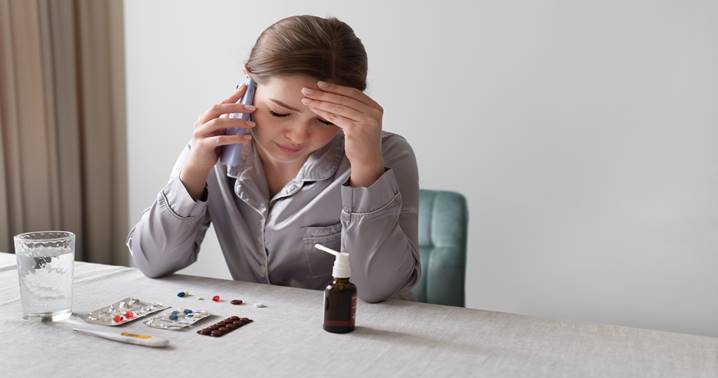
Causes of Menstrual Irregularities
Several factors can disrupt the normal menstrual cycle. Some of the most common causes include:
- Hormonal changes
- Polycystic ovary syndrome (PCOS)
- Thyroid disorders
- Diabetes
- Obesity
- Excessive physical activity
- Eating disorders
- Emotional stress
- Certain medications
- Reproductive system disorders
A detailed medical evaluation is often necessary to identify the exact cause of menstrual irregularities.
When to See a Doctor
Women should seek medical attention if they experience:
- Absence of periods for several months
- Extremely heavy bleeding
- Severe menstrual pain
- Bleeding between periods
- Menstrual cycles shorter than 21 days or longer than 35 days
- Symptoms of anemia such as fatigue or dizziness
Early diagnosis can help prevent complications and improve reproductive health outcomes.
Bottom Line
Menstrual irregularities are common but should not be ignored when symptoms become persistent or severe. Conditions such as amenorrhea, oligomenorrhea, menorrhagia, dysmenorrhea, and irregular menstruation can significantly affect physical health, emotional well-being, and fertility. With timely medical care, healthy lifestyle habits, and appropriate therapies, most menstrual disorders can be effectively managed, helping women maintain better reproductive and overall health.
- Written By: Shabina Khan (Clinical Pharmacist)
- Medically Reviewed By: Dr Prateek Sharma (Advisor Health)