

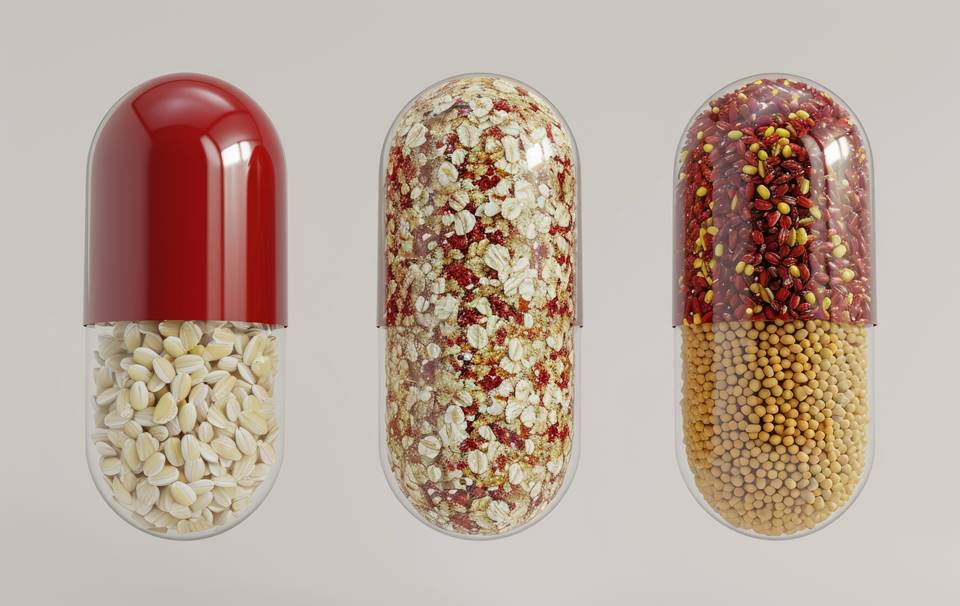
In the recent past, inositol supplementation has emerged as an important approach for managing PCOS symptoms. Among the various forms of inositol, the combination of Myo-Inositol (MI) and D-Chiro-Inositol (DCI) in a physiological 40:1 ratio has gained significant attention due to its beneficial effects on insulin sensitivity, ovulation, hormonal balance, and reproductive health.
Polycystic Ovary Syndrome (PCOS) is one of the most common endocrine disorders affecting women of reproductive age worldwide. It is characterized by hormonal imbalance, irregular menstrual cycles, ovarian dysfunction, insulin resistance, infertility, acne, weight gain, and excessive androgen production. According to the International Evidence-Based Guideline for PCOS, insulin resistance affects approximately 50-75% of women with PCOS and plays a central role in disease progression (Teede et al., 2023).
What Are Inositols?
Inositols are naturally occurring carbohydrate compounds that function as intracellular second messengers involved in insulin signaling and metabolic regulation. The two most biologically relevant forms in PCOS are Myo-Inositol and D-Chiro-Inositol.
The Link Between PCOS and Insulin Resistance
Insulin resistance is a hallmark feature of PCOS. When cells become less responsive to insulin, the pancreas compensates by producing excess insulin. Elevated insulin levels stimulate ovarian androgen production, contributing to irregular menstrual cycles, infertility, acne, and excessive hair growth. As described by Dunaif in a landmark review, insulin resistance is a major contributor to hyperandrogenism and reproductive dysfunction in women with PCOS (Dunaif, 1997).

Myo-Inositol: The Ovarian Inositol
Myo-Inositol is the predominant form of inositol found throughout the human body and is especially abundant in ovarian tissue.
Key Functions of Myo-Inositol
- Enhances insulin sensitivity
- Activates glucose transporters
- Supports follicular development
- Improves egg quality
- Regulates ovarian function
- Reduces testosterone levels
A randomized clinical trial demonstrated that Myo-Inositol supplementation significantly improved ovulation frequency and restored menstrual cycle regularity in women with PCOS (Gerli et al., 2007).
D-Chiro-Inositol: The Metabolic Inositol
D-Chiro-Inositol is synthesized from Myo-Inositol through an insulin-dependent enzymatic conversion process and is primarily involved in glucose metabolism and glycogen synthesis.
A landmark study published in the New England Journal of Medicine reported that D-Chiro-Inositol supplementation improved insulin sensitivity, reduced serum testosterone levels, and restored ovulation in women with PCOS (Nestler et al., 1999).
Why Combining Myo-Inositol and D-Chiro-Inositol Matters
Although both compounds improve insulin signaling, they perform complementary functions in different tissues. Myo-Inositol predominantly supports ovarian function, while D-Chiro-Inositol primarily influences metabolic pathways.
Women with PCOS often exhibit an abnormal conversion of Myo-Inositol to D-Chiro-Inositol within the ovaries. This imbalance may impair follicular maturation and negatively affect egg quality, making a balanced supplementation strategy essential.
The Scientific Basis of the 40:1 Ratio
Healthy women naturally maintain a plasma ratio of approximately 40:1 between Myo-Inositol and D-Chiro-Inositol. Researchers have proposed that mimicking this physiological ratio provides optimal support for both metabolic and reproductive functions.
Clinical studies have demonstrated that supplementation using a 40:1 ratio significantly improves insulin sensitivity, lowers androgen levels, and restores menstrual regularity more effectively than alternative formulations (Nordio & Proietti, 2012).

Benefits of Myo-Inositol and D-Chiro-Inositol for PCOS
Improved Menstrual Cycle Regularity
By enhancing insulin sensitivity and reducing androgen excess, the MI-DCI combination helps normalize menstrual cycles and improve hormonal balance.
Enhanced Ovulation and Fertility
Several clinical studies have demonstrated improved ovulation rates and reproductive outcomes among women receiving the physiological 40:1 combination.
Reduction in Testosterone Levels
Lower androgen levels may help reduce common PCOS symptoms such as acne, hirsutism, and scalp hair thinning.
Better Metabolic Health
Improved glucose utilization may contribute to lower insulin levels, reduced insulin resistance, improved lipid profiles, and better weight management.
Recommended Dosage
The most commonly studied therapeutic regimen includes:
- Myo-Inositol: 4,000 mg daily
- D-Chiro-Inositol: 100 mg daily
This combination maintains the physiological 40:1 ratio and is typically administered in two divided doses.

Safety and Tolerability
Myo-Inositol and D-Chiro-Inositol are generally well tolerated and possess an excellent safety profile. A systematic review concluded that inositol supplementation is safe and associated with minimal adverse effects, primarily mild gastrointestinal discomfort (Unfer et al., 2017).
Bottom Line
Current scientific evidence supports the use of a 40:1 Myo-Inositol to D-Chiro-Inositol ratio as an effective and physiologically appropriate strategy for PCOS management. Studies by Nestler et al., Gerli et al., Nordio and Proietti, and the International PCOS Guideline consistently demonstrate improvements in insulin resistance, ovulation, menstrual regularity, hormonal balance, and fertility outcomes. Consequently, the Myo-Inositol and D-Chiro-Inositol combination has become one of the most evidence-based nutritional approaches for women seeking comprehensive PCOS management.
References
- Teede HJ, Tay CT, Laven JJE, et al. (2023). International Evidence-Based Guideline for the Assessment and Management of Polycystic Ovary Syndrome.
- Dunaif A. (1997). Insulin Resistance and the Polycystic Ovary Syndrome: Mechanism and Implications for Pathogenesis. Endocrine Reviews, 18(6), 774-800.
- Nestler JE, Jakubowicz DJ, Reamer P, Gunn RD, Allan G. (1999). Ovulatory and Metabolic Effects of D-Chiro-Inositol in Polycystic Ovary Syndrome. New England Journal of Medicine, 340(17), 1314-1320.
- Gerli S, Papaleo E, Ferrari A, Di Renzo GC. (2007). Effects of Myo-Inositol on Ovarian Function and Metabolic Factors in Women with PCOS. European Review for Medical and Pharmacological Sciences, 11(5), 347-354.
- Nordio M, Proietti E. (2012). The Combined Therapy with Myo-Inositol and D-Chiro-Inositol in PCOS Patients. Gynecological Endocrinology, 28(9), 716-720.
- Unfer V, Facchinetti F, Orrù B, Giordani B, Nestler JE. (2017). Myo-Inositol Effects in Women with PCOS: A Systematic Review of Randomized Controlled Trials. International Journal of Endocrinology, 2017, Article ID 5846286.