
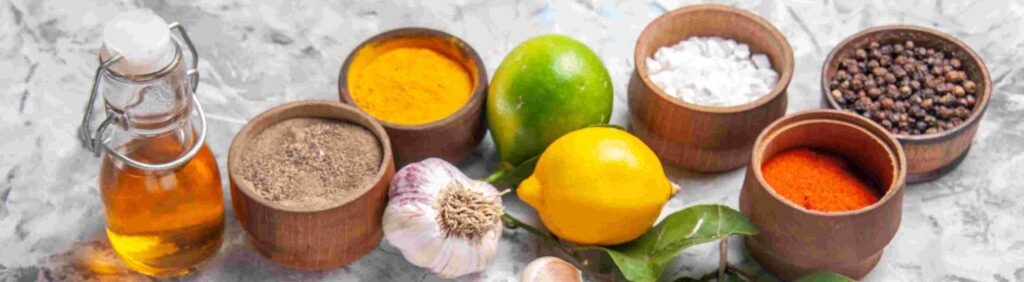
Natural kitchen herbs such as turmeric, ginger, garlic, cayenne pepper, and black pepper are increasingly recognized not only as flavor enhancers but also as nutraceutical and medicinal agents that support inflammation control, pain reduction, immunity, and metabolic balance. Modern scientific literature and the functional food industry both acknowledge that these herbs contain bioactive compounds capable of influencing biochemical pathways linked to chronic disease and discomfort. Their effectiveness, however, depends on regular dietary inclusion, proper preparation, and synergistic use rather than occasional or excessive consumption.
How These Herbs Benefit the Body?
These herbs provide benefits that extend beyond simple symptom relief and contribute to broader physiological wellness.
Turmeric, ginger, garlic, cayenne pepper, and black pepper are widely recognized in both medicinal and nutraceutical sciences for their natural anti-inflammatory and pain-modulating properties, largely due to their concentrated bioactive compounds.
Turmeric (Curcuma longa) is best known for curcumin, a polyphenol with strong antioxidant and multi-pathway anti-inflammatory effects. Curcumin interacts with transcription factors such as NF-κB and enzymes like COX-2 and LOX, influencing cytokine production and oxidative balance. Journal of Alternative and Complementary Medicine reported curcumin’s relevance in arthritis, metabolic inflammation, and neuroinflammatory regulation. In the nutraceutical sector, turmeric appears as curcumin 95%, liposomal forms, and curcumin-piperine blends to overcome low absorption. Culinary use with black pepper and healthy fats remains the most sustainable everyday method.
Ginger (Zingiber officinale) contains gingerols and shogaals, which provide digestive support and mild analgesic effects by influencing prostaglandin and leukotriene pathways. The Journal of Pain noted reductions in exercise-induced muscle soreness and inflammatory markers. Ginger extracts are commonly used in digestive supplements, women’s health products, and sports-nutrition blends due to their thermogenic and circulatory benefits.
Garlic (Allium sativum) is valued for allicin and sulfur compounds that offer antimicrobial, antihypertensive, lipid-lowering, and anti-inflammatory effects. The Journal of Nutrition associated garlic intake with improved endothelial function and reduced oxidative stress. Aged garlic extracts and capsules are popular for cardiovascular and immune support, while crushing garlic before cooking preserves potency.
Cayenne pepper contains capsaicin, which reduces pain perception by depleting substance P. The British Journal of Anaesthesia highlighted its neurological analgesic potential. Nutraceuticals use capsaicin in thermogenic and circulation-enhancing formulas, though excessive dietary intake may irritate the stomach.
Black pepper (Piper nigrum) provides piperine, a bioavailability enhancer shown by Planta Medica to significantly increase curcumin absorption. It also stimulates digestion and offers mild antioxidant effects, making it a strategic partner in both cooking and supplement formulations.
Collectively, these herbs help reduce oxidative stress, modulate immune responses, and improve metabolic efficiency, which are all critical factors in managing chronic low-grade inflammation associated with arthritis, cardiovascular disease, metabolic disorders, and lifestyle-related pain conditions.
Understanding Inflammation and Why Natural Approaches Matter
Inflammation itself is not harmful; it is a protective immune response that helps the body repair tissues and fight infections. Problems arise when inflammation becomes chronic and low-grade, persisting silently for years and elevating markers such as C-reactive protein, interleukins, and tumor necrosis factor-alpha. Kitchen herbs exert beneficial influence through several biological mechanisms including inhibition of COX-2 and LOX inflammatory enzymes, reduction of pro-inflammatory cytokines, antioxidant free-radical scavenging, improvement of gut microbiota balance, and enhancement of nutrient bioavailability.
The present nutraceutical and functional food industry increasingly formulates supplements derived from these spices, indicating a strong convergence between traditional dietary practices and contemporary scientific validation. However, whole-food consumption remains the foundational and most sustainable strategy.
How to Use These Herbs for Maximum Benefits?
Maximum benefit does not come from large doses but from correct preparation, combination, and consistency. Turmeric should ideally be consumed with black pepper and a source of healthy fat such as olive oil, milk, or coconut milk to improve curcumin absorption. Ginger is most effective when used fresh in teas, soups, or lightly cooked dishes rather than excessively boiled, which may degrade active compounds. Garlic should be crushed or chopped and allowed to rest for 5-10 minutes before cooking to enable the formation of allicin; light sautéing is preferable to deep frying. Cayenne pepper should be used in small, controlled quantities in soups or broths to stimulate circulation without irritating the stomach. Black pepper should be freshly ground and added near the end of cooking to preserve its volatile oils and piperine content.
Consistency is key incorporating these herbs daily in moderate amounts within balanced meals is more beneficial than occasional high-dose intake. Hydration, physical activity, and overall dietary quality further enhance their effectiveness.
Safety, Moderation, and Contraindications
Natural origin does not guarantee universal safety. Excess turmeric or ginger may influence blood clotting; garlic can cause gastrointestinal discomfort; cayenne may aggravate existing ulcers; and excessive black pepper can irritate the stomach lining. Pregnant individuals, those with bleeding disorders, or people on long-term medications should consult healthcare professionals before therapeutic use. The guiding principle remains informed moderation rather than indiscriminate consumption.
Natural does not automatically mean risk-free. Consider the following:
- Turmeric: May interact with blood thinners
- Ginger: High doses may affect blood clotting
- Garlic: Excess may cause gastrointestinal upset
- Cayenne: Not suitable for ulcers or gastritis
- Black Pepper: Overuse may irritate stomach lining
Pregnant women, individuals with bleeding disorders, and those on chronic medication should consult healthcare professionals before therapeutic use.
Summary: The Practical Takeaway
Natural anti-inflammatory and pain-reducing herbs found in the kitchen function as long-term supportive wellness tools rather than instant cures. Their benefits arise from cumulative biochemical effects including reduced inflammatory signaling, improved antioxidant capacity, enhanced digestion, better nutrient absorption, and modulation of pain pathways. When used together, they often produce synergistic results for example, turmeric and black pepper significantly enhance each other’s effectiveness, while ginger and garlic support both immune and cardiovascular systems simultaneously.
The most important principle is informed moderation and regular dietary integration. These herbs do not replace medical treatment for severe conditions, but they can meaningfully complement preventive healthcare strategies and improve everyday well-being. In modern integrative nutrition, the kitchen becomes a practical starting point for subtle yet powerful daily interventions against chronic inflammation and discomfort.
- Written By: Dr Sachin(MD Ayurveda)
- Medically Reviewed By: Dr Mohd Fahim (Professor)