

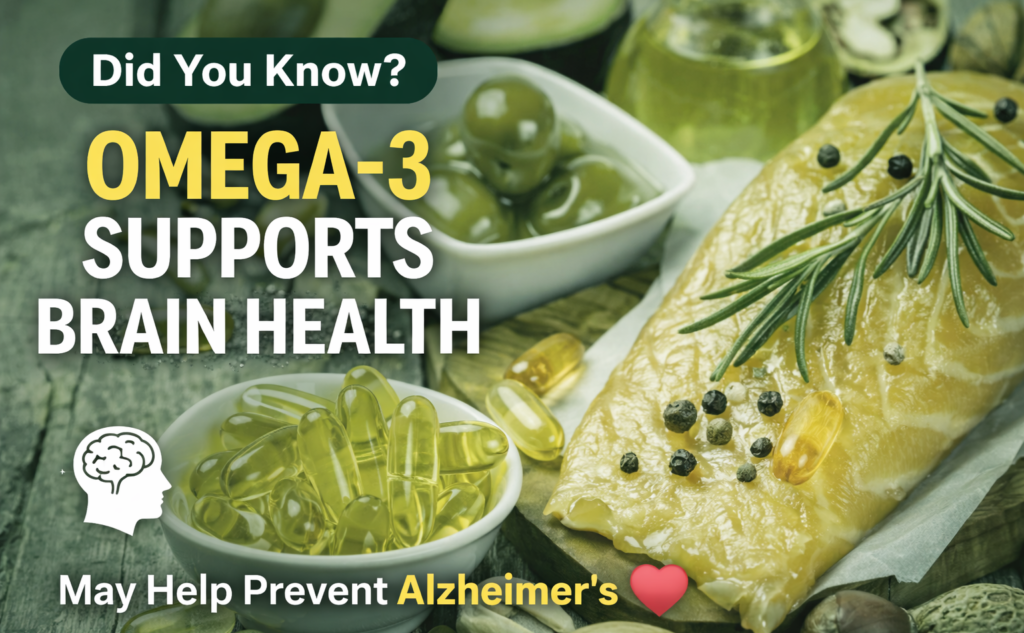
Omega-3 fatty acids, particularly DHA (docosahexaenoic acid) and EPA (eicosapentaenoic acid), play a crucial role in brain health and may help prevent or slow the progression of Alzheimer’s disease. These essential fats influence multiple biological pathways that directly counteract neurodegeneration, making them especially important for aging and post-menopausal women.

1. Structural Support of Neuronal Membranes
DHA is a vital component of neuronal cell membranes. It enhances membrane fluidity, improves receptor signaling, and supports synaptic plasticity key factors for memory and learning.
Scientific research shows that DHA deficiency disrupts neurotransmitter release and synaptic function, leading to cognitive decline. In elderly women, reduced DHA levels in brain tissue may weaken neuronal resilience, increasing susceptibility to Alzheimer’s disease.
2. Reduction of Amyloid-β Accumulation
One of the hallmarks of Alzheimer’s disease is the accumulation of amyloid-β plaques in the brain. Omega-3 fatty acids help regulate this process. DHA promotes non-amyloidogenic processing of amyloid precursor protein (APP) and inhibits β-secretase (BACE-1), reducing amyloid-β production. This mechanism is particularly effective in early or preclinical stages of Alzheimer’s, when intervention can still alter disease progression.
3. Anti-Inflammatory and Neuroprotective Effects
Chronic inflammation is a major contributor to neurodegeneration. Omega-3 fatty acids act as precursors to specialized pro-resolving mediators (SPMs), including:
- Resolvins
- Protectins
- Maresins
These compounds actively resolve inflammation rather than just suppressing it. Protectin D1, derived from DHA, has been shown to reduce inflammatory cytokines and protect neurons from apoptosis, offering direct neuroprotection.
4. Antioxidant and Mitochondrial Support
Oxidative stress accelerates brain aging and neuronal damage in Alzheimer’s disease. But, Omega-3 fatty acids leads to better cellular energy production and reduced oxidative damage in aging neurons.
- Improve mitochondrial function
- Enhance membrane stability
- Reduce reactive oxygen species (ROS)
5. Enhancement of Synaptic Plasticity and Neurogenesis
Omega-3 fatty acids support the production of brain-derived neurotrophic factor (BDNF), a key protein involved in:
- Synaptic plasticity
- Learning and memory
- Neurogenesis
DHA supplementation has been shown to increase BDNF levels in the hippocampus, improving cognitive performance. Since BDNF levels decline with age and hormonal changes, this benefit is particularly relevant for post-menopausal women.

Other Health Benefits of Omega-3 Fatty Acids in Women
Cardiovascular Health
Omega-3 fatty acids help reduce triglycerides, improve endothelial function, and regulate blood clotting. These effects lower cardiovascular risk, which rises significantly after menopause and directly impacts brain health through improved cerebral blood flow.
Hormonal Balance and Mood Regulation
Omega-3s play a role in neurotransmitter function and inflammation control, helping reduce symptoms of:
- Depression
- Anxiety
- Mood swings
EPA-rich omega-3 supplements have shown significant mood-stabilizing effects in women.
Bone and Musculoskeletal Health
Emerging research suggests omega-3 fatty acids may improve bone mineral density by reducing inflammation-driven bone loss, making them beneficial for post-menopausal women at risk of osteoporosis.
Vegetarian Sources of Omega-3 Fatty Acids
For vegetarian and vegan women, maintaining adequate omega-3 intake requires careful planning.
Plant-Based Sources (ALA)
- Flaxseeds
- Chia seeds
- Walnuts
- Hemp seeds
- Perilla oil
However, the conversion of ALA to DHA and EPA is very limited (often less than 5%), especially in older adults.
Algal Oil Supplements (Best Vegetarian Option)
Algal oil provides direct DHA and EPA without the need for conversion. It is the most effective plant-based alternative to fish oil and is highly recommended for:
- Elderly women
- Vegetarians and vegans
- Individuals at risk of cognitive decline
Clinical Evidence Supporting Omega-3 in Alzheimer’s Disease
Observational Studies
Higher dietary intake of omega-3 fatty acids, especially from fish, has been associated with a reduced risk of Alzheimer’s disease in older adults.
Randomized Controlled Trials
Clinical trials show that DHA supplementation may slow cognitive decline in individuals with mild Alzheimer’s disease, though benefits are less pronounced in advanced stages.
Meta-Analyses
Large-scale analyses indicate that omega-3 supplementation provides modest but significant cognitive benefits, particularly when started early in the disease process.
Summary: Why Omega-3 Fatty Acids Matter for Women’s Brain Health
Omega-3 fatty acids offer a scientifically supported approach to Alzheimer’s prevention, especially for women. Their benefits include:
- Maintaining neuronal membrane integrity
- Reducing amyloid plaque formation
- Resolving chronic inflammation
- Protecting against oxidative stress
- Enhancing memory and neuroplasticity
For post-menopausal and vegetarian women, ensuring adequate intake of DHA and EPA through diet or supplementation is essential for long-term cognitive resilience.
Bottom Line
Omega-3 fatty acids are not a cure for Alzheimer’s disease, but they represent a powerful, evidence-based nutritional strategy for prevention and early intervention. By supporting brain structure, reducing inflammation, and enhancing cognitive function, omega-3s play a vital role in a comprehensive and gender-sensitive approach to brain health.
- Written By: Dr Mohammad
- Medically Reviewed By: Dr Prateek Sharma (Health Advisor)