
About 75 million people in Europe, the USA, and Japan have osteoporosis. In Asia, it is underdiagnosed and undertreated, especially in rural China and India, where fractures are often managed conservatively at home. According to the International Osteoporosis Foundation.
Osteoporosis is a silent but progressive skeletal disorder characterized by reduced bone mass and deterioration of bone microarchitecture, leading to increased fracture risk. It often remains undetected until a fracture occurs, making it one of the most dangerous age-related conditions worldwide. With global aging accelerating, osteoporosis has become a major public health concern, particularly among older adults.
According to the International Osteoporosis Foundation, osteoporosis affects more than 200 million people globally, and nearly one in three women and one in five men over the age of 50 will experience an osteoporotic fracture in their lifetime. Understanding how osteoporosis occurs and, more importantly, how it can be prevented is critical for maintaining independence, mobility, and quality of life in old age.
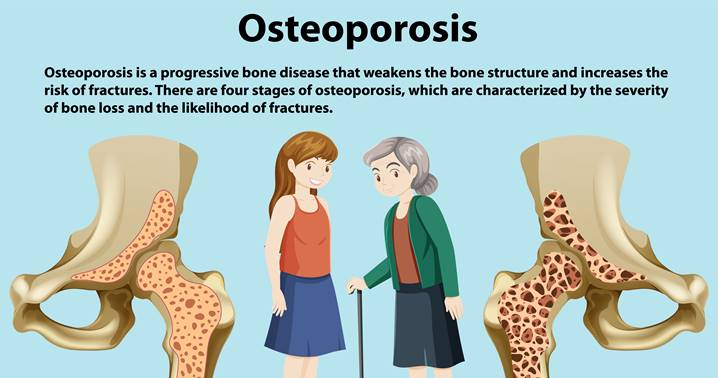
Why Osteoporosis Is Dangerous for Older Adults
Osteoporosis is especially dangerous in older adults because bone fragility combines with age-related balance issues, muscle weakness, and slower healing. Even minor falls can result in hip, spine, or wrist fractures, which are associated with high morbidity and mortality. The New England Journal of Medicine, with insights from Cummings and Melton, reports that hip fractures in elderly individuals are linked to a 20-30% increase in mortality within the first year post-fracture. Vertebral fractures, although sometimes asymptomatic, can lead to chronic pain, spinal deformity, reduced lung capacity, and impaired digestion.
Beyond physical damage, osteoporosis contributes to loss of independence, depression, and increased healthcare costs, making prevention a cornerstone of healthy aging.
How Osteoporosis Develops: The Biology of Bone Loss
Bone is a living tissue continuously remodeled through two opposing processes: bone formation by osteoblasts and bone resorption by osteoclasts. Peak bone mass is typically achieved by the late 20s. After mid-life, especially after menopause in women, bone resorption begins to outpace bone formation.
The Journal of Bone and Mineral Research, led by Seeman, explains that osteoporosis occurs when this imbalance persists over time, leading to porous, fragile bones that are structurally weaker despite appearing normal externally.
Causes of Osteoporosis: Beyond Aging
Nutritional Deficiencies and Bone Weakening
Calcium Deficiency
Calcium is the primary mineral component of bone. Chronic low calcium intake forces the body to withdraw calcium from bones to maintain blood calcium levels, accelerating bone loss. The American Journal of Clinical Nutrition, in research by Heaney, demonstrates that inadequate dietary calcium significantly increases fracture risk, especially in postmenopausal women and elderly men.
Vitamin D Insufficiency
Vitamin D is essential for calcium absorption in the intestine. Without adequate vitamin D, even high calcium intake becomes ineffective. The Journal of Clinical Endocrinology & Metabolism, with Holick as lead author, highlights that vitamin D deficiency is widespread among older adults and is strongly associated with reduced bone mineral density and increased fall risk.
Low Magnesium, Vitamin K2, and Protein Intake
Magnesium supports bone crystal formation, vitamin K2 directs calcium into bones rather than arteries, and protein provides the structural matrix for bone tissue. Osteoporosis International, featuring research by Rizzoli, confirms that diets low in protein and micronutrients impair bone strength and delay fracture healing in older adults.
Hormonal Imbalances and Bone Loss
Estrogen Decline in Women
Estrogen plays a protective role by inhibiting bone resorption. After menopause, estrogen levels drop sharply, leading to rapid bone loss of up to 20% within the first five years. The Lancet, through work by Riggs and Khosla, establishes estrogen deficiency as the primary driver of postmenopausal osteoporosis.
Testosterone Decline in Men
Testosterone supports bone formation and muscle mass. Age-related testosterone decline increases osteoporosis risk in men, often underdiagnosed. The Journal of Clinical Endocrinology & Metabolism, with Finkelstein as author, reports that low testosterone is associated with reduced bone density and higher fracture incidence in aging men.
Thyroid Disorders
Excess thyroid hormone accelerates bone turnover, favoring bone resorption. Endocrine Reviews, led by Bassett, shows that untreated hyperthyroidism significantly increases osteoporosis and fracture risk.
Lifestyle and Environmental Risk Factors
Sedentary Lifestyle
Bones require mechanical stress to remain strong. Physical inactivity leads to rapid bone loss, particularly in weight-bearing bones. The British Journal of Sports Medicine, with Kohrt’s findings, confirms that resistance and impact exercises stimulate bone formation and slow age-related bone loss.
Smoking and Alcohol Consumption
Smoking reduces blood supply to bones and impairs calcium absorption, while excessive alcohol interferes with osteoblast function. The Journal of Bone and Mineral Research, authored by Kanis, links smoking and heavy alcohol intake to significantly increased fracture risk.
Chronic Stress and Inflammation
Chronic stress elevates cortisol levels, which suppresses bone formation and increases calcium excretion. Psychoneuroendocrinology, featuring research by McEwen, explains how prolonged cortisol exposure weakens skeletal integrity over time.
Medical and Drug-Related Causes
Long-Term Steroid Use
Glucocorticoids reduce calcium absorption, suppress osteoblasts, and increase bone resorption. The Annals of Internal Medicine, with van Staa as lead author, identifies steroid-induced osteoporosis as the most common form of secondary osteoporosis.
Autoimmune and Digestive Disorders
Conditions such as rheumatoid arthritis, celiac disease, and inflammatory bowel disease impair nutrient absorption and increase inflammatory bone loss. Gut, in studies by Compston, confirms higher osteoporosis prevalence in chronic inflammatory and malabsorptive disorders.
Lifestyle Modifications for Long-Term Bone Health
Reducing Caffeine and Soda Intake: Excess caffeine and phosphoric acid in sodas increase urinary calcium loss.
Quitting Smoking: Smoking cessation improves bone blood flow and enhances the effectiveness of osteoporosis treatments.
Limiting Alcohol: Keeping alcohol intake within recommended limits protects osteoblast function.
Managing Chronic Stress: Mindfulness, yoga, and regular physical activity help regulate cortisol levels and support bone metabolism.
Improving Sleep Quality: Sleep Medicine Reviews, led by Swanson, highlights that poor sleep disrupts growth hormone secretion, which is essential for bone repair and remodeling.
Expert Tips to Prevent Osteoporosis
Daily Habits for Bone Protection
- Engage in weight-bearing and resistance exercises
- Ensure adequate intake of calcium, vitamin D, magnesium, vitamin K2, and protein
- Get regular sunlight exposure
- Maintain a healthy body weight
Myths vs Facts About Calcium
Calcium alone is not sufficient. Without vitamin D, magnesium, and vitamin K2, calcium may not effectively strengthen bones and can accumulate in soft tissues.
Consistency Over Quick Fixes
The Journal of Aging Research, with Weaver as author, emphasizes that long-term adherence to healthy lifestyle habits is far more effective than short-term supplementation.
Bottom Line
Osteoporosis is preventable and manageable when identified early. A clear understanding of how osteoporosis occurs and adopting a proactive, consistent approach rooted in science, supported by healthy habits, and guided by medical expertise offers the most effective strategy for preventing bone loss and reducing the risk of its serious consequences.
- Written By: Dr Gaurav (Formulation Scientist)
- Medically Reviewed By: Dr Abdul Qayyom (MBBS, MD Scholar)
References
- Cummings, S.R., & Melton, L.J. (2002). Epidemiology and outcomes of osteoporotic fractures. New England Journal of Medicine, 346(23), 1845–1853.
- Seeman, E. (2008). Bone quality: The material and structural basis of bone strength. Journal of Bone and Mineral Research, 23(1), 1–8.
- Heaney, R.P. (2000). Calcium, dairy products, and osteoporosis. American Journal of Clinical Nutrition, 71(6), 1406–1412.
- Holick, M.F. (2007). Vitamin D deficiency. Journal of Clinical Endocrinology & Metabolism, 92(2), 299–308.
- Rizzoli, R., et al. (2014). Role of protein and micronutrients in the prevention of osteoporosis. Osteoporosis International, 25(3), 1–14.
- Riggs, B.L., & Khosla, S. (2012). Effects of estrogen deficiency on bone loss and osteoporosis. The Lancet, 380(9837), 203–214.
- Finkelstein, J.S., et al. (2016). Gonadal steroids and bone density in men. Journal of Clinical Endocrinology & Metabolism, 101(9), 3307–3315.
- Bassett, J.H.D., & Williams, G.R. (2016). Role of thyroid hormones in skeletal development and bone maintenance. Endocrine Reviews, 37(2), 135–187.
- Kohrt, W.M., et al. (2004). Physical activity and bone health. British Journal of Sports Medicine, 38(6), 671–679.
- Kanis, J.A., et al. (2005). Smoking and fracture risk: A meta-analysis. Journal of Bone and Mineral Research, 20(2), 203–210.
- McEwen, B.S. (2008). Protective and damaging effects of stress mediators. Psychoneuroendocrinology, 33(1), 1–10.
- van Staa, T.P., et al. (2000). Use of oral corticosteroids and risk of fractures. Annals of Internal Medicine, 133(5), 325–333.
- Compston, J. (2018). Osteoporosis and inflammatory diseases. Gut, 67(1), 1–9.
- Swanson, C.M., et al. (2018). Sleep duration and bone health. Sleep Medicine Reviews, 37, 69–79.
- Weaver, C.M., et al. (2016). Lifestyle factors and osteoporosis prevention. Journal of Aging Research, 2016, Article ID 7278954.