

Pregnancy is a critical phase where dietary choices directly influence maternal and fetal health. Among commonly debated foods, papaya often raises concern, especially in its unripe form.
The Food Safety and Standards Authority of India (FSSAI), India’s apex food regulatory body, has issued cautionary guidance regarding the consumption of unripe papaya during pregnancy. While ripe papaya is generally considered safe in moderation, unripe or semi-ripe papaya may pose potential risks due to its biochemical composition.
FSSAI Advisory on Unripe Papaya During Pregnancy
The Food Safety and Standards Authority of India advises pregnant women to avoid unripe or partially ripe papaya. This recommendation is based on the presence of certain compounds, particularly latex and enzymes that may adversely affect pregnancy outcomes.
Unripe papaya contains higher concentrations of latex, which includes enzymes such as papain and chymopapain. These substances may interfere with normal pregnancy physiology, especially in the early stages. While not all women may experience adverse effects, the potential risk is significant enough for regulatory bodies to recommend complete avoidance as a precautionary measure.
Why Does FSSAI Advise Against Unripe Papaya?
1. Uterine Contractions and Hormonal Mimicry
Unripe papaya latex contains compounds that can mimic the action of prostaglandins hormone-like substances involved in inducing labor. This may stimulate uterine contractions prematurely, increasing the risk of miscarriage or preterm labor, particularly in the first and second trimesters.
From a physiological perspective, any substance that alters uterine tone during pregnancy is considered potentially harmful. Hence, unripe papaya is categorized among foods that may trigger uterine stimulation.
2. Papain and Fetal Membrane Weakening
Papain, a proteolytic enzyme found abundantly in unripe papaya, can break down proteins. While this property is beneficial in digestion and meat tenderization, it may pose a risk during pregnancy.
Papain has been hypothesized to weaken fetal membranes by degrading structural proteins. This may increase the risk of premature rupture of membranes (PROM), a condition that can lead to complications such as infections or early delivery.
3. Increased Risk of Hemorrhage
Another concern associated with unripe papaya consumption is its potential to increase the risk of bleeding. Certain compounds in papaya latex may interfere with normal vascular function or blood clotting mechanisms.
Although clinical evidence in humans is limited, animal studies and traditional medical observations suggest a possible association between high intake of unripe papaya and hemorrhagic events during pregnancy.
4. Abortifacient Properties
Historically, unripe papaya has been used in some traditional practices as a natural abortifacient. This is primarily due to its ability to stimulate uterine contractions and affect hormonal balance.
While modern medicine does not recommend or endorse such uses, the historical context further supports caution. Regulatory authorities like the Food Safety and Standards Authority of India emphasize avoiding such foods that may pose even theoretical risks to pregnancy.
Distinction Between Ripe and Unripe Papaya
Understanding the difference between ripe and unripe papaya is crucial for making informed dietary decisions.
Unripe Papaya (Unsafe in Pregnancy)
Unripe papaya is green in color, firm in texture, and rich in latex. It contains higher levels of papain and related enzymes, making it potentially unsafe during pregnancy. Based on FSSAI advisory, it should be strictly avoided throughout pregnancy, regardless of quantity or preparation method.
Fully Ripe Papaya (Generally Safe in Moderation)
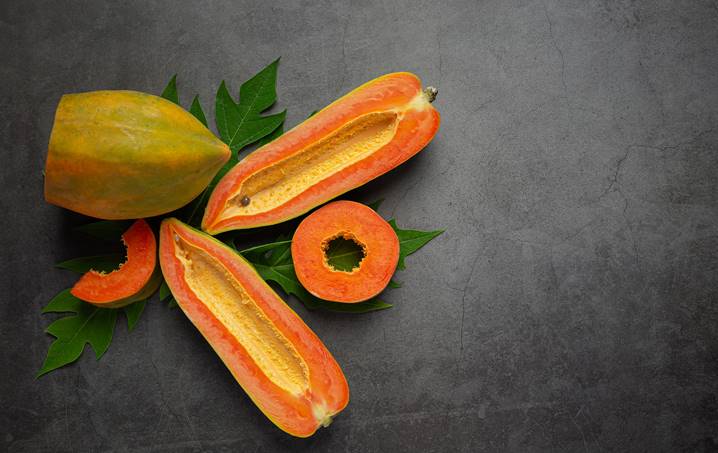
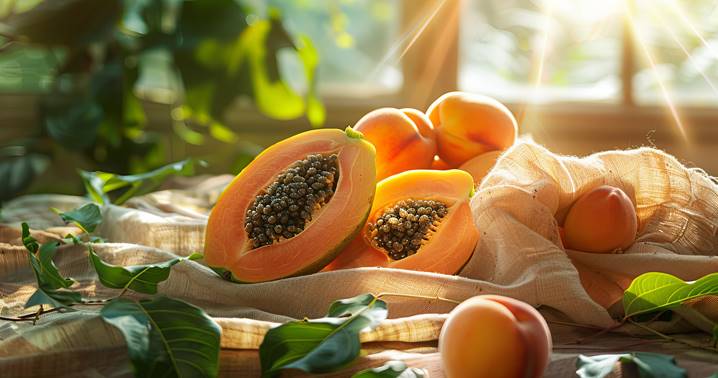
Ripe papaya, on the other hand, is orange or yellow, soft, and sweet. During the ripening process, latex content significantly decreases, and enzyme activity is reduced.
Ripe papaya is rich in essential nutrients such as vitamin C, beta-carotene, fiber, and antioxidants, which can support immune health and digestion during pregnancy. When consumed in moderation and as part of a balanced diet, it is generally considered safe.
However, it is always advisable to consult a healthcare professional before including any new food during pregnancy.
Common Myths About Papaya in Pregnancy
Myth: All papaya is dangerous during pregnancy
Fact: Only unripe or semi-ripe papaya poses potential risks due to high latex content. Fully ripe papaya is generally safe when consumed in moderation.
Myth: Small quantities of unripe papaya are harmless
Fact: Even small amounts may contain sufficient latex and papain to trigger unwanted physiological effects. Due to variability in sensitivity, complete avoidance is recommended.
Myth: Cooking removes the risk
Fact: Cooking may reduce enzyme activity but does not entirely eliminate harmful compounds. Heat may not fully neutralize latex components, making cooked unripe papaya still potentially unsafe.
Practical Dietary Advice for Pregnant Women
Maintaining a safe and balanced diet during pregnancy requires awareness and moderation. Here are some practical tips:
- Avoid unripe or semi-ripe papaya in all forms, including salads, curries, and pickles.
- Choose fully ripe papaya if desired, ensuring it is soft and free from green patches.
- Wash fruits thoroughly to remove contaminants and pesticide residues.
- Focus on a diverse diet including fruits like apples, bananas, oranges, and pomegranates.
- Consult a gynecologist or nutritionist before making dietary changes.
- Be cautious with other foods known to stimulate uterine contractions, such as excessive pineapple or herbal preparations.
For Indian dietary patterns, incorporating seasonal fruits, whole grains, and protein-rich foods while avoiding high-risk items aligns with both traditional wisdom and modern nutritional guidelines.
Conclusion
According to the Food Safety and Standards Authority of India, unripe papaya should be avoided due to its high latex content and potential to induce uterine contractions, weaken fetal membranes, and increase the risk of complications. On the other hand, fully ripe papaya, when consumed in moderation, can be a nutritious addition to a pregnancy diet.