

Key Points
- A May 2026 study linked common food preservatives with 22-29% higher hypertension risk.
- Preservatives like sodium nitrite, citric acid, and ascorbic acid were highlighted.
- Frequent intake of ultra-processed foods may increase cardiovascular and blood pressure problems.
- Processed meats, baked foods, and packaged snacks were major preservative sources.
- Researchers advised limiting processed foods to support heart and vascular health.
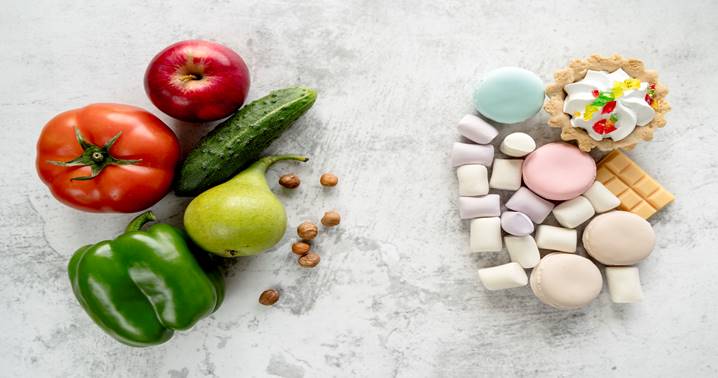
A May 2026 study has raised concerns about the impact of common food preservatives on cardiovascular health. Researchers found that people consuming high amounts of preservative-rich processed foods had a 22-29% greater risk of developing high blood pressure. The findings suggest that both synthetic and “natural” preservatives may contribute to hypertension when consumed frequently through ultra-processed foods.
The study focused on preservatives commonly used in processed meats, baked products, beverages, sauces, snacks, and ready-to-eat foods. Researchers reported that non-antioxidant preservatives were associated with nearly 29% higher hypertension risk, while antioxidant preservatives showed about 22% increased risk.
Hypertension remains one of the leading causes of heart disease, stroke, and kidney disorders worldwide. Increasing evidence suggests that diet quality, especially high consumption of ultra-processed foods, plays a major role in rising blood pressure levels.
What Are Food Preservatives?
Non-Antioxidant Preservatives
These prevent microbial growth in foods and are commonly used in processed meats, bakery products, and packaged snacks.
Examples include:
- Sodium nitrite
- Potassium sorbate
- Potassium metabisulphite
Antioxidant Preservatives
These additives help prevent food browning and oxidation.
Examples include:
- Ascorbic acid (Vitamin C)
- Citric acid
- Sodium erythorbate
Although these additives are approved for food use, researchers now believe that long-term excessive intake through processed foods may negatively affect cardiovascular health.
What Did the Study Find?
The 2026 research observed that people consuming large amounts of processed foods containing preservatives had significantly higher blood pressure levels. Scientists suggested several possible mechanisms behind this association, including oxidative stress, inflammation, sodium imbalance, and vascular dysfunction.
Previous studies published in journals such as Hypertension and Nutrients have also linked ultra-processed food intake with cardiovascular disease and metabolic disorders. Researchers explained that frequent exposure to multiple additives may create cumulative stress on blood vessels and heart function.
The study further highlighted that additives commonly viewed as harmless, such as citric acid and ascorbic acid, may behave differently when used industrially in processed foods compared to their natural presence in fruits and vegetables.
Top Food Additives Linked to High Blood Pressure
1. Potassium Sorbate
Potassium sorbate is commonly used in bakery products, cheese, yogurt, and packaged desserts to prevent mold growth. Some toxicology studies suggest excessive intake may contribute to oxidative stress and inflammatory responses that can affect blood vessel health.
2. Potassium Metabisulphite
This preservative is widely used in wines, fruit juices, and dried fruits. Research has shown that sulphite additives may trigger inflammatory reactions and oxidative imbalance in sensitive individuals, potentially contributing to cardiovascular stress.
3. Sodium Nitrite
Sodium nitrite is commonly found in processed meats such as sausages, bacon, ham, and salami. It helps preserve color and prevents bacterial contamination. However, processed meat consumption has long been associated with hypertension and heart disease due to high sodium levels and nitrite-related compounds.
Studies in the American Journal of Clinical Nutrition have linked excessive processed meat intake with increased cardiovascular risk.
4. Ascorbic Acid (Vitamin C – E300)
Ascorbic acid naturally occurs in fruits and vegetables and is known for antioxidant benefits. However, researchers noted that manufactured ascorbic acid used in processed foods may have different metabolic effects when consumed with refined sugars, sodium, and artificial ingredients.
5. Citric Acid
Citric acid is naturally found in citrus fruits but is industrially produced for use in soft drinks, candies, sauces, and snacks. The study identified citric acid among preservatives associated with increased hypertension risk in people frequently consuming processed foods.
6. Sodium Erythorbate
This additive is often used in processed meats to maintain freshness and color stability. Frequent exposure through ultra-processed foods may contribute to oxidative imbalance and vascular stress.

Why Processed Foods Increase Hypertension Risk
The harmful effects of preservatives are often combined with the poor nutritional profile of ultra-processed foods. Most packaged products contain:
- Excess sodium
- Refined sugars
- Unhealthy fats
- Artificial flavor enhancers
- Low dietary fiber
High sodium intake is one of the strongest dietary contributors to hypertension. At the same time, chronic inflammation and oxidative stress caused by additives may impair blood vessel function and circulation.
Researchers also believe that food preservatives may disrupt gut microbiota, which plays an important role in blood pressure regulation and metabolic health.
The “Natural Additive” Misconception
One important message from the study is that “natural” additives are not always harmless in processed foods. While vitamin C and citric acid naturally occur in fruits, their industrial use as preservatives may produce different effects in the body.
For example, vitamin C from oranges comes with fiber, flavonoids, and beneficial plant compounds. In contrast, manufactured ascorbic acid in processed foods is usually consumed alongside refined sugars, sodium, and artificial ingredients. Nutrition experts explain that the overall food matrix strongly influences how nutrients and additives affect metabolism and cardiovascular health.
Foods Commonly Containing These Preservatives
Consumers should monitor intake of foods such as:
- Processed meats
- Soft drinks
- Bakery products
- Instant noodles
- Ready-to-eat meals
- Packaged snacks
- Preserved sauces
- Commercial fruit juices
- Dried fruits
- Wine and alcoholic beverages
How to Reduce Preservative Intake
Health experts recommend focusing on minimally processed foods and balanced nutrition. Some practical tips include:
- Eat fresh fruits and vegetables
- Limit processed meats
- Cook meals at home
- Avoid excessive packaged snacks
- Read food labels carefully
- Increase potassium-rich foods like bananas and spinach
- Stay physically active
Final Thoughts
The May 2026 study adds to growing evidence that high intake of food preservatives and ultra-processed foods may increase hypertension risk. Researchers highlighted several additives, including sodium nitrite, potassium sorbate, citric acid, and ascorbic acid, as possible contributors to cardiovascular stress.
Although preservatives help improve food safety and shelf life, excessive long-term consumption may negatively affect blood vessel health and blood pressure regulation. Choosing fresh, minimally processed foods remains one of the most effective strategies for protecting cardiovascular health and reducing hypertension risk.