

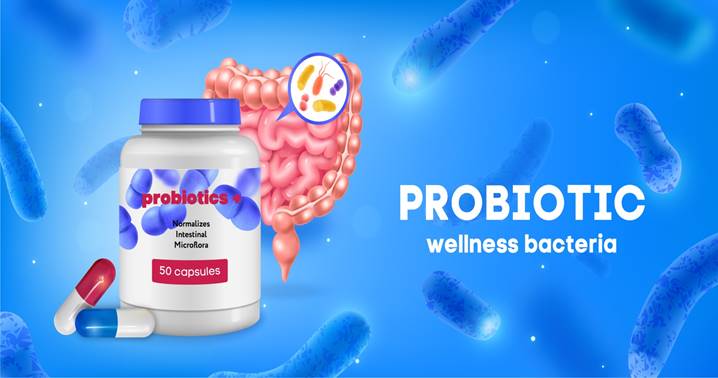
Akkermansia muciniphila is a next-generation beneficial gut bacterium that has gained major scientific attention for its powerful role in supporting digestive health, metabolism, and overall wellness.
It is found naturally in the human gut. This microorganism helps maintain gut integrity, regulate metabolic functions, and may protect against chronic conditions such as obesity, inflammatory bowel disease (IBD), and diabetes.
Unlike many conventional probiotics, Akkermansia muciniphila functions uniquely by residing in the mucus layer of the intestine and interacting directly with the gut barrier. Its presence is increasingly considered a biomarker of a healthy gut.
What Is Akkermansia muciniphila?
Akkermansia muciniphila is a Gram-negative, anaerobic bacterium that belongs to the phylum Verrucomicrobia. It was first isolated in 2004 and has since gained significant attention due to its specialized ability to degrade mucin, a glycoprotein component of the mucus lining in the gastrointestinal tract.
This bacterium primarily resides in the mucus layer of the colon, where it uses mucin as its primary energy source. At first glance, mucin degradation may appear harmful; however, this process actually stimulates the production of new mucus, thereby strengthening the gut barrier. This continuous turnover is essential for maintaining intestinal integrity and preventing harmful pathogens from penetrating the gut lining.
One of the most remarkable features of Akkermansia muciniphila is its inverse association with several metabolic disorders. Studies have consistently shown that individuals with obesity, insulin resistance, and inflammatory diseases tend to have lower levels of this bacterium, whereas higher abundance is linked with improved metabolic health and reduced inflammation.
Akkermansia for Gut Health
Strengthening the Intestinal Barrier
The intestinal barrier is a critical defense system that prevents toxins, pathogens, and undigested food particles from entering the bloodstream. Disruption of this barrier, commonly referred to as “leaky gut,” is associated with chronic inflammation and various diseases.
Akkermansia muciniphila plays a key role in maintaining this barrier by stimulating mucin production and enhancing tight junction integrity between intestinal cells. It promotes the expression of proteins such as occludin and claudins, which are essential for sealing the epithelial lining. This results in reduced intestinal permeability and improved gut integrity.
Modulating the Immune System
The gut microbiota is closely linked to immune function, and Akkermansia muciniphila has been shown to exert immunomodulatory effects. It interacts with immune cells through its outer membrane proteins, particularly Amuc_1100, which can activate toll-like receptors and regulate immune responses.
These interactions help reduce pro-inflammatory cytokines such as TNF-α and IL-6 while promoting anti-inflammatory pathways. As a result, Akkermansia muciniphila contributes to immune balance and may help prevent excessive inflammatory responses seen in autoimmune and inflammatory conditions.
Enhancing Microbial Diversity
A healthy gut microbiome is characterized by high microbial diversity. Akkermansia muciniphila supports this diversity by producing metabolites such as short-chain fatty acids (SCFAs), including acetate and propionate. These metabolites serve as energy sources for other beneficial bacteria and promote a balanced microbial ecosystem.
By fostering a favorable environment, Akkermansia muciniphila indirectly supports the growth of other beneficial microbes, enhancing overall gut resilience.

Role in Bowel Diseases
Inflammatory Bowel Disease (IBD)
Inflammatory bowel diseases, including Crohn’s disease and ulcerative colitis, are characterized by chronic inflammation of the gastrointestinal tract. Research has shown that patients with IBD often exhibit reduced levels of Akkermansia muciniphila.
Preclinical studies suggest that supplementation with Akkermansia muciniphila can alleviate inflammation, restore mucus layer thickness, and improve gut barrier function. It reduces the infiltration of inflammatory cells and modulates immune responses, thereby contributing to symptom relief and disease management.
Irritable Bowel Syndrome (IBS)
Although IBS is not primarily an inflammatory condition, gut dysbiosis plays a significant role in its pathogenesis. By restoring microbial balance and improving mucosal integrity, Akkermansia muciniphila may help alleviate symptoms such as bloating, abdominal pain, and irregular bowel movements.

Akkermansia muciniphila in Obesity
Regulation of Body Weight
Obesity is closely linked to alterations in the gut microbiome. Studies have consistently demonstrated that individuals with obesity have lower levels of Akkermansia muciniphila compared to lean individuals.
This bacterium influences body weight through multiple mechanisms. It enhances energy expenditure, reduces fat accumulation, and improves lipid metabolism. Animal studies have shown that supplementation with Akkermansia muciniphila leads to reduced body weight gain and decreased adiposity, even without significant changes in diet.
Improvement in Metabolic Parameters
Akkermansia muciniphila has been associated with improved metabolic markers, including reduced plasma cholesterol and triglycerides. It also plays a role in regulating appetite and satiety hormones, which can contribute to better dietary control.
Reduction of Low-Grade Inflammation
Obesity is often accompanied by chronic low-grade inflammation, which contributes to insulin resistance and metabolic dysfunction. By strengthening the gut barrier and reducing endotoxin leakage, Akkermansia muciniphila helps lower systemic inflammation, thereby improving overall metabolic health.

Akkermansia muciniphila in Diabetes
Enhancing Insulin Sensitivity
One of the most promising benefits of Akkermansia muciniphila is its ability to improve insulin sensitivity. It enhances glucose uptake in peripheral tissues and reduces insulin resistance, which is a key factor in the development of type 2 diabetes.
Clinical studies have shown that individuals with higher levels of Akkermansia muciniphila exhibit better glycemic control and lower fasting blood glucose levels.
Regulation of Glucose Metabolism
This bacterium influences glucose metabolism by modulating signaling pathways involved in energy homeostasis. It interacts with the gut-brain axis and affects hormonal regulation, including glucagon-like peptide-1 (GLP-1), which plays a role in insulin secretion and appetite regulation.
Reduction of Metabolic Endotoxemia
Metabolic endotoxemia, caused by the translocation of lipopolysaccharides (LPS) from the gut into circulation, is a major contributor to insulin resistance. Akkermansia muciniphila reduces LPS levels by strengthening the intestinal barrier, thereby mitigating inflammation and improving metabolic outcomes.
Therapeutic Potential and Supplementation
Next-Generation Probiotic
Akkermansia muciniphila is often referred to as a “next-generation probiotic” due to its unique properties and targeted health benefits. Unlike traditional probiotics such as Lactobacillus and Bifidobacterium, it directly interacts with the gut lining and plays a structural role in maintaining intestinal integrity.
Pasteurized Form and Safety
Interestingly, research has shown that pasteurized (heat-killed) Akkermansia muciniphila retains its beneficial effects, and in some cases, may be even more effective than its live form. This enhances its safety profile and makes it a promising candidate for therapeutic use.

Dietary Strategies to Increase Akkermansia
While direct supplementation is still emerging, certain dietary interventions can naturally increase Akkermansia muciniphila levels:
- High-fiber diets rich in prebiotics
- Polyphenol-rich foods such as berries, green tea, and dark chocolate
- Intermittent fasting and calorie restriction
- Omega-3 fatty acids
These strategies promote a favorable environment for the growth of this beneficial bacterium.
Bottom Line
Akkermansia muciniphila represents a groundbreaking advancement in our understanding of the gut microbiome and its role in health and disease. Its unique ability to strengthen the intestinal barrier, regulate immune responses, and improve metabolic function positions it as a key player in the prevention and management of bowel diseases, obesity, and diabetes.