
Summer brings sunshine, outdoor activities, and longer days, but it also exposes the skin to intense heat and harmful ultraviolet (UV) rays. Excessive sun exposure can cause skin burns, dehydration, irritation, premature aging, and long-term skin damage. During peak summer months, especially in tropical regions, the risk of sunburn increases significantly due to strong sunlight and high temperatures. Protecting your skin during summer is not only about beauty but also about maintaining overall skin health. Skin burns occur when ultraviolet radiation damages skin cells, causing redness, inflammation, and peeling. Fortunately, simple lifestyle changes and proper skincare habits can significantly reduce the risk of sunburn.

Why Skin Burns More Easily in Summer
Before discussing prevention, it is important to understand why skin becomes more vulnerable during summer. Strong sunlight contains ultraviolet radiation that penetrates the skin. These rays damage skin cells and trigger inflammation.
Two types of UV rays mainly affect the skin:
- UVA rays penetrate deep into the skin and contribute to premature aging.
- UVB rays affect the outer layer of the skin and are responsible for sunburn.
When exposure is prolonged, the skin loses moisture, protective barriers weaken, and irritation develops. This is why adopting protective habits during summer becomes essential.
1. Stay Hydrated – Protect Your Skin from the Inside and Outside
One of the most important steps to prevent skin burn in summer is maintaining proper hydration. High temperatures cause excessive sweating, which leads to water loss in the body. When the body becomes dehydrated, the skin becomes dry, fragile, and more prone to damage from sunlight.
Drinking enough water helps maintain skin elasticity and supports the natural cooling system of the body. Hydrated skin is better able to repair itself and resist irritation caused by heat.
Experts generally recommend drinking 8-10 glasses of water daily, though requirements may increase in hot weather or during outdoor activities. In addition to water, hydrating foods such as watermelon, cucumber, oranges, and coconut water can also help maintain fluid balance.
External hydration is equally important. Applying hydrating skincare products such as aloe vera gel or light moisturizers can soothe the skin and restore lost moisture after sun exposure. These products help create a protective barrier that prevents excessive dryness and irritation.
2. Avoid Travel During Peak Sun Hours (11 AM – 4 PM)
The intensity of ultraviolet radiation is highest during midday. Dermatologists often recommend avoiding direct sun exposure between 11 AM and 4 PM, as this is when the sun’s rays are strongest and most likely to cause skin burns.
If possible, schedule outdoor activities during the early morning or late evening when sunlight is less intense. This simple adjustment significantly reduces the risk of sun damage. For people who must travel or work outdoors during these hours, additional protective measures are essential. Wearing protective clothing, using sunscreen, and seeking shade whenever possible can minimize exposure.
3. Choose Breathable and Cotton Clothing
Clothing plays an important role in protecting the skin from heat and sunlight. During summer, tight and synthetic fabrics can trap heat, increase sweating, and cause skin irritation. This can make the skin more vulnerable to rashes and sunburn. Breathable fabrics such as cotton and linen are ideal for hot weather because they allow air circulation and help absorb sweat. Loose-fitting clothing reduces friction and keeps the skin cool. Light-colored clothing is also beneficial because it reflects sunlight rather than absorbing it. Dark colors tend to retain heat, which can increase skin discomfort.
For additional sun protection, consider wearing:
- Wide-brimmed hats to protect the face and neck
- Sunglasses to protect the eyes and surrounding skin
- Long-sleeved lightweight shirts for extended outdoor exposure
4. Never Skip Moisturiser
Many people believe moisturizers are only necessary during winter. However, moisturization is equally important during summer because heat, sweat, and sun exposure can weaken the skin’s protective barrier.
When the skin barrier is damaged, it loses water more quickly and becomes more susceptible to inflammation and sunburn. Applying a light, non-greasy moisturizer helps maintain hydration and strengthens the skin’s natural defense system.
For summer skincare, dermatologists often recommend gel-based or water-based moisturizers, which provide hydration without clogging pores or making the skin feel oily.
Ingredients such as aloe vera, hyaluronic acid, glycerin, and cucumber extract are particularly beneficial during summer because they soothe irritation and help retain moisture. Applying moisturizer immediately after bathing or washing the face can lock in hydration and keep the skin soft and protected throughout the day.
5. Exfoliate Gently to Maintain Healthy Skin
Exfoliation helps remove dead skin cells that accumulate on the skin surface. During summer, sweat, dirt, and oil production increase, which can clog pores and dull the skin’s appearance?
Gentle exfoliation improves skin texture and allows moisturizers and skincare products to penetrate more effectively. This helps maintain smoother and healthier skin. However, over-exfoliation can damage the skin barrier and increase sensitivity to sunlight. It is generally recommended to exfoliate once or twice a week using mild scrubs or chemical exfoliants such as lactic acid or fruit enzymes. Natural exfoliation methods such as oatmeal scrubs or yogurt-based masks can also help cleanse the skin without causing irritation. After exfoliation, it is important to apply moisturizer to restore hydration and protect the skin barrier.

Additional Summer Skin Protection Tips
While the above strategies are highly effective, combining them with other protective measures can provide even better results.
Use Sunscreen Daily
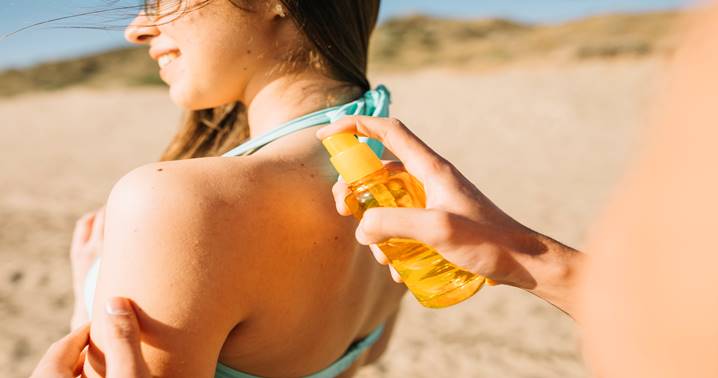
Sunscreen is one of the most effective tools for preventing sunburn. Broad-spectrum sunscreen protects against both UVA and UVB rays. Dermatologists recommend using sunscreen with SPF 30 or higher and reapplying every two hours during outdoor exposure.
Wear Protective Accessories
Hats, scarves, and sunglasses create additional barriers against direct sunlight and help prevent skin irritation.
Cool Down Your Skin
After spending time outdoors, washing the face with cool water or applying soothing aloe vera gel can help calm irritated skin.
Maintain a Healthy Diet
A diet rich in antioxidants supports skin health. Foods such as berries, tomatoes, leafy greens, and nuts contain vitamins that help protect skin cells from oxidative damage.
Signs of Skin Burn You Should Not Ignore
Even with precautions, prolonged sun exposure can sometimes cause skin burn. Common symptoms include:
- Redness and inflammation
- Pain or tenderness
- Peeling skin
- Dryness and itching
- Small blisters in severe cases
Bottom Line
Summer sun can be enjoyable, but excessive exposure can cause skin burns and long-term skin damage. Protecting your skin requires simple yet consistent habits such as staying hydrated, avoiding peak sun hours, wearing breathable clothing, moisturizing regularly, and exfoliating gently. By following these practical skincare strategies, you can significantly reduce the risk of sunburn while maintaining healthy and glowing skin throughout the summer season. Prevention is always better than treatment, and taking care of your skin today will help preserve its health and appearance for years to come.
- Written By: Shabina Khan (Clinical Pharmacist)
- Medically Reviewed By: Dr Avinash Singh (PhD, Pharm. Medicine)