
Collagen has become a focal point in modern skincare and nutritional science due to its essential role in maintaining skin’s glow, firmness, elasticity, and hydration. As the most abundant structural protein in the human body, collagen forms the backbone of the skin’s dermal matrix. However, the growing popularity of vegetarian and plant-based diets has raised questions about whether collagen health can be adequately supported without consuming animal-derived products.
Healthy collagen levels are not dependent on direct collagen intake. Instead, collagen production is an internal biological process influenced by nutrient availability, antioxidant status, and lifestyle factors. Biomedical evidence increasingly supports that vegetarian diets, when nutritionally balanced, can effectively stimulate natural collagen synthesis and protect existing collagen from degradation. Understanding this distinction is critical for reframing skin health strategies in plant-based nutrition.
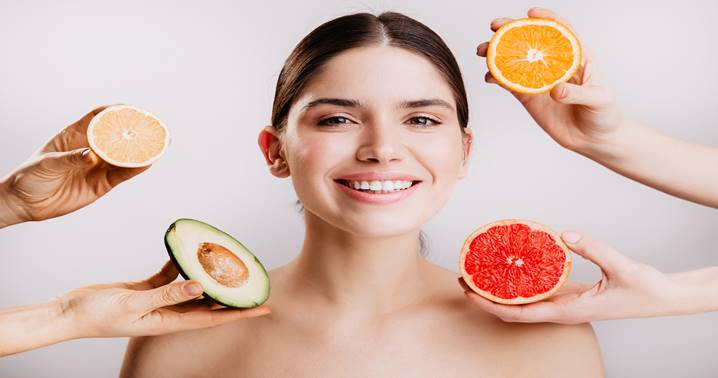
Why Your Skin Needs Collagen
Collagen accounts for nearly 75% of the dry weight of human skin and provides tensile strength, elasticity, and structural support. Type I collagen predominates in the dermis, forming tightly packed fibers that maintain skin smoothness and resistance to mechanical stress.
The Journal of Investigative Dermatology, in a study by Varani and coauthors, explains that collagen supports skin hydration by interacting with elastin and hyaluronic acid. When collagen integrity is compromised, visible signs of aging such as wrinkles, sagging, and dryness emerge.
Collagen synthesis begins to decline gradually after the mid-20s and accelerates with age. External stressors, including ultraviolet radiation, pollution, smoking, chronic inflammation, and poor dietary patterns, further accelerate collagen breakdown by increasing oxidative stress. The American Journal of Clinical Nutrition, authored by Proksch and coauthors, highlights that inadequate intake of vitamin C, zinc, and essential amino acids significantly impairs collagen production, reinforcing the central role of nutrition in skin aging.
Top Vegetarian Foods That Support Natural Collagen Production
1. Soy and Soy-Based Foods
The Journal of Nutrition, in research by Messina and coauthors, reports that soy isoflavones stimulate collagen synthesis while reducing collagen degradation through estrogen-like activity in skin tissue.
2. Legumes and Pulses
The European Journal of Nutrition, authored by Głąbska and coauthors, identifies legumes as rich sources of plant protein, lysine, and iron nutrients essential for collagen cross-linking and oxygen delivery to skin cells. Lentils, chickpeas, kidney beans, and peas support fibroblast activity and promote healthy and glossy skin.
3. Nuts and Seeds
The British Journal of Dermatology, by Cosgrove and coauthors, demonstrates that vitamin E and essential fatty acids protect collagen from oxidative damage. Almonds, walnuts, flaxseeds, and chia seeds supply zinc, copper, and omega-3 fatty acids, which stabilize collagen fibers and improve skin barrier function.
4. Whole Grains and Millets
The Journal of Dermatological Science, authored by Pullar and coauthors, highlights the role of B-complex vitamins and silica in collagen synthesis. Whole grains such as oats, brown rice, and millets support connective tissue strength and improve skin elasticity.
5. Fermented Dairy and Fortified Plant Alternatives
The Journal of Cosmetic Dermatology, in a study by Silva and coauthors, reports that fermented dairy improves nutrient absorption and reduces systemic inflammation, indirectly supporting collagen metabolism. Fortified plant milks enriched with calcium, vitamin D, and vitamin B12 provide similar benefits for those avoiding dairy.
Plant-Based Boosters That Protect and Enhance Collagen
It is important to note that collagen itself is not found in plant foods. However, vegetarian diets can provide essential nutrients that stimulate fibroblasts to produce collagen naturally. Therefore, the focus shifts from consuming collagen directly to supporting the body’s innate collagen-building mechanisms.
Vitamin C-Rich Fruits and Vegetables
The American Journal of Clinical Nutrition, by Pullar and coauthors, confirms that vitamin C is indispensable for collagen synthesis. Citrus fruits, amla, guava, strawberries, bell peppers, and broccoli stimulate fibroblast activity and prevent collagen fragility.
Polyphenols and Antioxidants
The Journal of Nutritional Biochemistry, authored by Nichols and Katiyar, shows that polyphenols from green tea, berries, and cocoa inhibit matrix metalloproteinases (MMPs), enzymes responsible for collagen degradation. These compounds significantly reduce photoaging and preserve dermal structure.
Sulfur-Containing Vegetables
The International Journal of Molecular Sciences, by Kim and coauthors, highlights sulfur’s role in collagen cross-linking. Garlic, onions, cabbage, and cauliflower strengthen collagen fibers and improve skin firmness.
Practical Strategies to Support Collagen on a Vegetarian Diet
Nutrient Synergy Over Single Foods
Collagen synthesis depends on the interaction of multiple nutrients. Combining plant proteins with vitamin C-rich foods, such as lentils with lemon juice and bell peppers, enhances nutrient bioavailability and collagen production.
Reduce Sugar Intake to Prevent Collagen Loss
The Journal of Clinical Dermatology, authored by Pageon (2010), explains that excess sugar intake promotes advanced glycation end products (AGEs), which stiffen and damage collagen fibers. Limiting refined carbohydrates and processed foods helps preserve skin elasticity.
Follow an Active Lifestyle
Adequate hydration, quality sleep, regular physical activity, and sun protection reduce oxidative stress and inflammation, further protecting collagen integrity.
Key Takeaway
Collagen health is determined not by direct collagen intake but by the body’s ability to synthesize and preserve this vital protein. Plant foods do not contain collagen, but they support stimulating collagen production. When people carefully plan, vegetarian diets including plant proteins, vitamins, minerals, and antioxidants offer sustainable, glowing, and youthful skin.
References
- Varani J, Dame MK, Rittie L, Fligiel SE, Kang S, Fisher GJ, Voorhees JJ. Decreased collagen production in chronologically aged skin: Roles of fibroblast function and collagen gene regulation. Journal of Investigative Dermatology. 2016.
- Proksch E, Segger D, Degwert J, Schunck M, Zague V, Oesser S. Oral supplementation of specific collagen peptides improves skin elasticity and hydration. American Journal of Clinical Nutrition. 2014.
- Messina M, Rogero MM, Fisberg M, Waitzberg D. Health impact of soy foods and soy isoflavones in aging populations. Journal of Nutrition. 2019.
- Głąbska D, Guzek D, Lech G. Iron status, dietary iron intake, and skin health outcomes in plant-based diets. European Journal of Nutrition. 2020.
- Cosgrove MC, Franco OH, Granger SP, Murray PG, Mayes AE. Dietary nutrient intakes and skin-aging appearance among middle-aged women. British Journal of Dermatology. 2007.
- Pullar JM, Carr AC, Vissers MCM. Silicon, B vitamins, and connective tissue health: Implications for skin structure. Journal of Dermatological Science. 2017.
- Silva M, Silva E, Martins A, Pacheco D. Effects of fermented dairy products on skin health and systemic inflammation. Journal of Cosmetic Dermatology. 2021.
- Nichols JA, Katiyar SK. Skin photoprotection by natural polyphenols: Anti-inflammatory, antioxidant, and DNA repair mechanisms. Journal of Nutritional Biochemistry. 2010.
- Kim YS, Kim SH, Shin YJ, Kim JS. Sulfur-containing compounds and their role in collagen synthesis and skin structure. International Journal of Molecular Sciences. 2018.
- Pageon H. Reaction of glycation and human skin: The effects on collagen and skin aging. Journal of Clinical Dermatology. 2010.
- Written By: Shabina Khan (Clinical Pharmacist)
- Medically Reviewed By: Dr Sachin (MD)