

Summer brings warmth, sunshine, and outdoor activities, but it also introduces several challenges for skin health. Increased heat, humidity, UV radiation, and sweat can lead to dehydration, sunburn, acne breakouts, and premature aging. Dermatologists emphasize the importance of adopting a targeted skincare routine during the summer months to maintain healthy, radiant skin.
This article explores doctor-recommended summer skin care tips, focusing on sun protection, hydration, cleansing habits, and practical daily strategies to help your skin thrive despite the harsh seasonal conditions.

Protection from the Sun
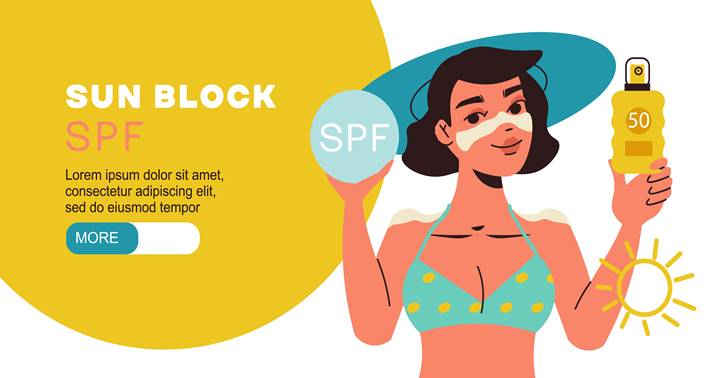
One of the most critical aspects of summer skin care is protecting your skin from harmful ultraviolet (UV) rays. Prolonged sun exposure can cause sunburn, hyperpigmentation, premature aging, and increase the risk of skin cancer. Dermatologists strongly recommend incorporating sun protection into your daily routine, regardless of whether you are indoors or outdoors.
Using a broad-spectrum sunscreen with SPF 30 or higher is essential. Broad-spectrum sunscreens protect against both UVA and UVB rays. UVA rays penetrate deep into the skin and contribute to aging, while UVB rays cause sunburn. Applying sunscreen 15–20 minutes before stepping out ensures optimal absorption and protection.
Reapplication is equally important. Sunscreen should be reapplied every two hours, especially if you are sweating or swimming. Many people underestimate the need for reapplication, which reduces the effectiveness of sun protection.
In addition to sunscreen, physical barriers play a crucial role. Wearing wide-brimmed hats, sunglasses, and lightweight protective clothing can significantly reduce sun exposure. Seeking shade during peak sunlight hours, typically between 10 AM and 4 PM, is another simple yet effective strategy.
Doctors also suggest using antioxidant-rich skincare products containing vitamin C or E. These ingredients help neutralize free radicals generated by UV exposure, thereby reducing oxidative stress and skin damage.
Stay Moisturised
Contrary to common belief, skin can become dehydrated during summer despite increased humidity. Excessive sweating leads to water loss, while sun exposure damages the skin barrier, making it harder for the skin to retain moisture.
Dermatologists recommend using lightweight, non-comedogenic moisturizers during summer. Gel-based or water-based moisturizers are ideal as they hydrate the skin without clogging pores or causing a greasy feel. Ingredients such as hyaluronic acid, glycerin, and aloe vera are particularly beneficial for maintaining hydration.
Drinking sufficient water is equally important. Hydration from within plays a vital role in maintaining skin elasticity and preventing dryness. Consuming water-rich foods like cucumbers, watermelon, and oranges can further support hydration levels.
Overusing air conditioning can also dry out the skin. To counteract this, it is advisable to apply a moisturizer after spending long hours in air-conditioned environments.
Night-time hydration should not be neglected. Applying a hydrating serum or moisturizer before bed allows the skin to repair and restore moisture overnight, enhancing overall skin health.
Summer Skin Care Tips
Adopting a well-balanced skincare routine tailored to summer conditions can prevent many common skin issues. Dermatologists recommend keeping your routine simple yet effective to avoid overwhelming the skin.
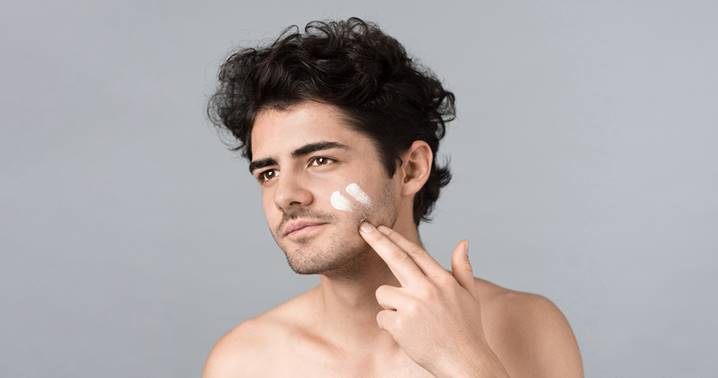
Cleansing is the first step. Use a gentle, sulfate-free cleanser to remove sweat, dirt, and excess oil without stripping the skin of its natural oils. Over-cleansing or using harsh products can disrupt the skin barrier and lead to irritation.
Exfoliation is beneficial but should be done in moderation. Exfoliating once or twice a week helps remove dead skin cells, unclog pores, and improve skin texture. However, excessive exfoliation can make the skin more sensitive to sunlight and increase the risk of irritation.
Incorporating antioxidants into your skincare routine is highly recommended. Vitamin C serums, for example, can brighten the skin, reduce pigmentation, and protect against environmental damage.
Another important tip is to avoid heavy makeup during summer. Heavy products can clog pores, especially when combined with sweat and oil. Opting for lightweight, breathable formulations allows the skin to function naturally and reduces the risk of breakouts.
Maintaining hygiene is also crucial. Regularly changing pillowcases, cleaning makeup brushes, and avoiding touching the face frequently can help prevent bacterial buildup and acne.

Wash Your Face – But Not Constantly
Keeping the face clean is essential during summer, but over-washing can do more harm than good. Many people tend to wash their face repeatedly to remove sweat and oil, which can strip the skin of its natural protective barrier.
Dermatologists recommend washing the face two to three times a day, depending on your skin type. Morning cleansing removes overnight oil buildup, while evening cleansing helps eliminate dirt, pollution, and sunscreen residue.
For those with oily skin, using a mild foaming cleanser can help control excess sebum. However, harsh cleansers should be avoided as they can trigger increased oil production, leading to more breakouts.
After sweating heavily, rinsing the face with plain water or using a gentle cleanser is sufficient. Using alcohol-based wipes or strong soaps frequently can lead to dryness and irritation.
Patting the face dry with a clean towel instead of rubbing it is another simple practice that prevents unnecessary irritation and maintains skin health.
Additional Expert Tips for Summer Skin Care
Beyond the basic routine, dermatologists offer several additional tips to keep skin healthy during summer. Wearing breathable fabrics such as cotton helps reduce sweat accumulation and skin irritation. Tight or synthetic clothing can trap heat and lead to rashes or fungal infections.
Using a mild toner can help balance the skin’s pH and control excess oil production. However, alcohol-free formulations are recommended to avoid dryness.
Lip care is often overlooked but equally important. Applying a lip balm with SPF protects the lips from sun damage and prevents dryness or chapping.
Eye care should also be considered. The delicate skin around the eyes is highly susceptible to UV damage. Wearing sunglasses and using eye creams with hydrating ingredients can help maintain this sensitive area.
Diet plays a significant role in skin health. Consuming antioxidant-rich foods such as berries, leafy greens, and nuts can support skin repair and protect against oxidative stress. Reducing intake of sugary and processed foods may also help prevent acne flare-ups.
Key Takeaway
Maintaining healthy skin during summer requires a thoughtful and consistent approach. Protection from the sun remains the cornerstone of any effective summer skincare routine, supported by proper hydration, gentle cleansing, and the use of suitable skincare products.
By following these doctor-recommended summer skin care tips, you can enjoy the season while keeping your skin protected, refreshed, and glowing.