

How Supplementation Improve Thyroid
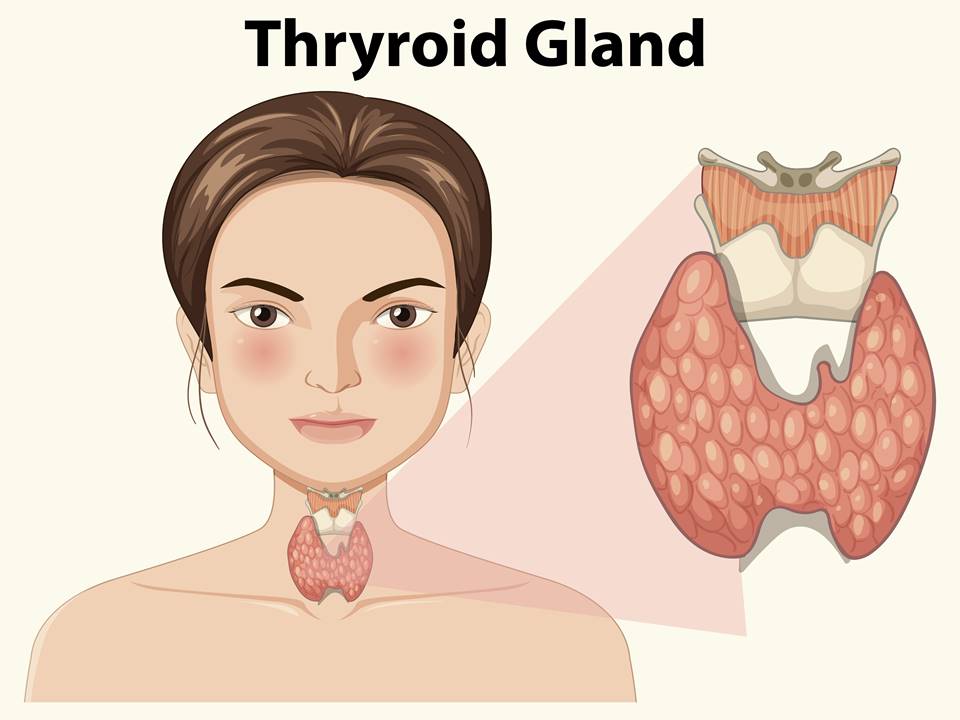
The thyroid gland regulates metabolism, energy production, growth, cardiovascular function, and hormonal balance. Thyroid disorders such as hypothyroidism and Hashimoto’s thyroiditis are increasingly common worldwide. Alongside conventional medical therapy, scientific evidence suggests that targeted nutritional supplementation may support thyroid hormone production, immune regulation, and overall thyroid health.
Clinical research indicates that certain vitamins, minerals, antioxidants, and probiotics may help optimize thyroid function, particularly in individuals with nutritional deficiencies or autoimmune thyroid disease.
1. Selenium
Selenium is considered one of the most evidence-supported nutrients for thyroid health. The thyroid gland contains high concentrations of selenium because it is essential for converting inactive thyroxine (T4) into active triiodothyronine (T3).
Clinical studies published in endocrinology journals demonstrate that selenium supplementation may reduce thyroid peroxidase (TPO) antibodies in patients with Hashimoto’s thyroiditis. Selenium also helps protect thyroid tissue from oxidative stress and inflammation.
Supplementation with selenomethionine has shown promising results in improving thyroid antibody profiles and supporting immune balance.
Natural selenium sources include:
- Brazil nuts
- Tuna
- Sardines
- Eggs
- Sunflower seeds
Moderate supplementation under professional guidance is generally recommended because excessive selenium intake may be harmful.
2. Zinc Supports Thyroid Hormone Production
Zinc is another essential mineral involved in thyroid hormone synthesis, receptor activation, and immune function. Zinc deficiency has been linked with reduced thyroid hormone production and impaired T3 conversion.
Research suggests that zinc supplementation may improve thyroid hormone levels, especially in individuals with hypothyroidism and nutritional deficiencies. Zinc also supports healthy hair, skin, and immune function, which are commonly affected in thyroid disorders.
Good dietary sources of zinc include:
- Pumpkin seeds
- Lentils
- Chickpeas
- Shellfish
- Lean meats
- Nuts
Combined zinc and selenium supplementation may provide synergistic thyroid-supportive effects.
3. Vitamin D and Autoimmune Thyroid Disease
Vitamin D deficiency is highly prevalent among individuals with autoimmune thyroid disorders, particularly Hashimoto’s thyroiditis and Graves’ disease.
Clinical evidence suggests that vitamin D plays a role in immune system regulation and inflammatory control. Several studies have found an association between low vitamin D levels and increased thyroid antibody activity.
Vitamin D supplementation may help:
- Support immune balance
- Reduce inflammatory responses
- Improve overall endocrine function
- Enhance mood and fatigue management
Sunlight exposure, fatty fish, egg yolks, and fortified foods provide natural vitamin D, although supplementation is often necessary in deficient individuals.

4. Omega-3 Fatty Acids Reduce Inflammation
Omega-3 fatty acids are well-known anti-inflammatory nutrients that may support thyroid health indirectly through immune regulation and cardiovascular protection.
Chronic inflammation contributes significantly to autoimmune thyroid disease. Omega-3 fatty acids from fish oil may help reduce inflammatory cytokines associated with autoimmune activity.
Clinical studies indicate that omega-3 supplementation may support:
- Immune modulation
- Cardiovascular health
- Brain function
- Mood stability
- Reduced systemic inflammation
Rich sources include:
- Salmon
- Sardines
- Mackerel
- Flaxseeds
- Chia seeds
- Fish oil supplements
5. Probiotics and Gut-Thyroid Connection
Emerging research highlights the important relationship between gut microbiota and thyroid function. The gut influences nutrient absorption, immune regulation, and inflammation, all of which affect thyroid health.
Patients with thyroid disorders often experience digestive disturbances, altered gut microbiota, and increased intestinal permeability.
Probiotic supplementation may help:
- Improve gut microbial balance
- Enhance nutrient absorption
- Support immune function
- Reduce digestive inflammation
Certain probiotic strains may contribute to better selenium, zinc, and iodine utilization, indirectly supporting thyroid hormone metabolism.
Natural probiotic sources include:
- Yogurt
- Kefir
- Kimchi
- Sauerkraut
- Fermented foods

6. Ashwagandha: Adaptogenic Support for Thyroid Function
Ashwagandha is an adaptogenic herb widely used in traditional medicine for stress management and hormonal support.
Some clinical studies suggest that ashwagandha supplementation may improve thyroid hormone levels in individuals with subclinical hypothyroidism by supporting endocrine balance and reducing stress-related hormonal disruption.
Potential benefits include:
- Stress reduction
- Improved energy levels
- Hormonal balance
- Enhanced thyroid activity
However, because ashwagandha may stimulate thyroid hormone production, it should be used cautiously and under medical supervision in people with hyperthyroidism.
7. Iron and Thyroid Hormone Synthesis
Iron deficiency is frequently associated with hypothyroidism, especially in women. Iron is required for thyroid peroxidase activity, an enzyme involved in thyroid hormone production.
Clinical studies indicate that iron deficiency may impair thyroid hormone synthesis and worsen fatigue and weakness.
Iron-rich foods include:
- Spinach
- Lentils
- Red meat
- Beans
- Pumpkin seeds
Iron supplementation should only be used after proper laboratory evaluation because excess iron may also be harmful.
8. Magnesium for Energy and Hormonal Support
Magnesium supports hundreds of enzymatic reactions involved in energy production, nervous system regulation, and hormonal balance.
Although magnesium is not directly involved in thyroid hormone production, deficiency may worsen symptoms commonly associated with thyroid dysfunction, including fatigue, muscle cramps, anxiety, and poor sleep.
Clinical evidence suggests magnesium may support:
- Stress management
- Sleep quality
- Muscle function
- Metabolic health
Magnesium-rich foods include nuts, seeds, spinach, legumes, and whole grains.
Important Considerations Before Taking Thyroid Supplements
While nutritional supplements may support thyroid health, excessive or inappropriate supplementation can interfere with thyroid function and medications. Self-prescribing high doses of iodine, selenium, or herbal products may worsen thyroid imbalance.
Bottom Line
Scientific evidence increasingly supports the role of targeted nutritional supplementation in thyroid health management. Selenium, zinc, vitamin D, omega-3 fatty acids, probiotics, iron, magnesium, and adaptogenic herbs such as ashwagandha may help support thyroid hormone production, immune regulation, and inflammatory balance.
Notably, because thyroid disorders vary significantly among individuals, supplementation should ideally be personalised and closely monitored clinically. Combining evidence-based nutrition with conventional medical care may provide a more comprehensive strategy for long-term thyroid support and overall metabolic health.