

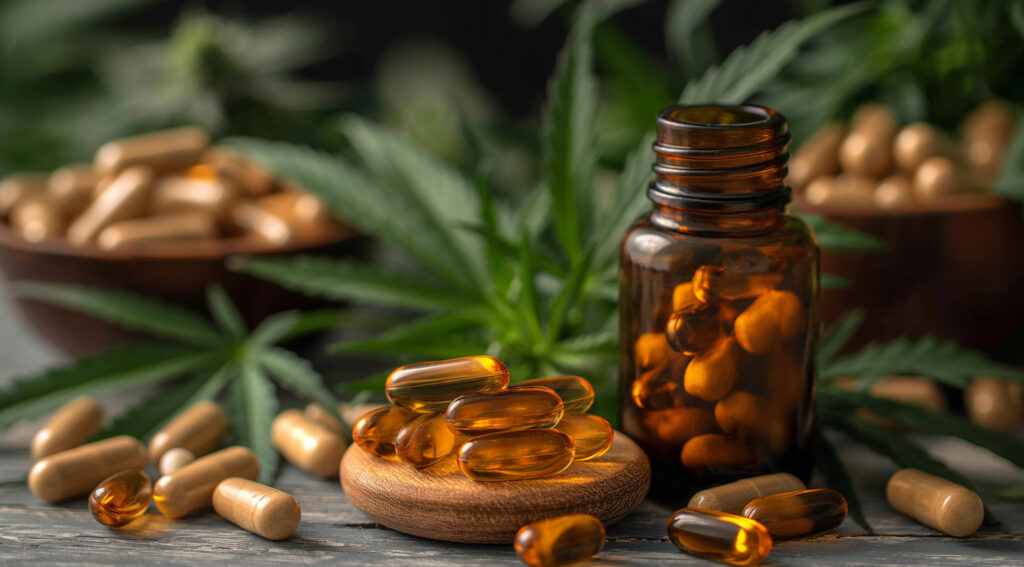
Tulsi (Holy Basil), is one of the most respected medicinal herbs in traditional Ayurvedic medicine. For centuries, it has been used to support physical health, mental well-being, and resistance to stress. Today, Tulsi supplements are widely available in capsules, powders, teas, and liquid extracts and are increasingly gaining attention from researchers for their potential adaptogenic, antioxidant, anti-inflammatory, and immune-supportive properties.
What Makes Holy Basil Unique?
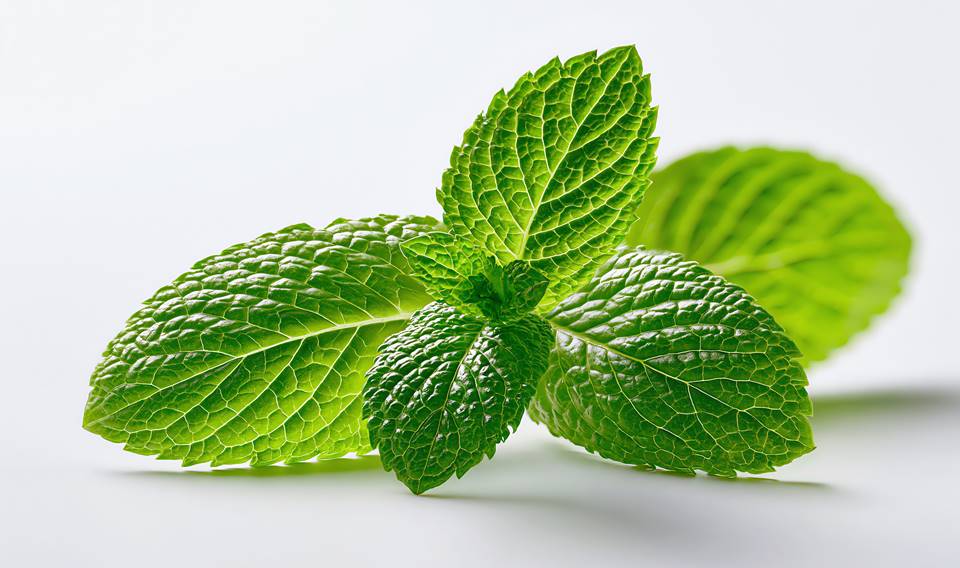
Tulsi is native to the Indian subcontinent. Several varieties exist, including Rama Tulsi, Krishna Tulsi, and Vana Tulsi. The plant contains numerous bioactive compounds, including eugenol, ursolic acid, rosmarinic acid, apigenin, luteolin, and various flavonoids that contribute to its medicinal effects.
Tulsi is often classified as an adaptogen, a natural substance that may help the body adapt to physical, emotional, and environmental stressors. Research suggests that these compounds may influence stress pathways, inflammatory processes, and oxidative stress, helping maintain overall health and resilience.
Evidence-Based Health Benefits of Tulsi Supplements
1. Stress Management and Mental Well-Being
One of the most extensively studied benefits of Tulsi is its role in stress management. Chronic stress increases cortisol production, which can negatively affect mood, immunity, sleep, and cardiovascular health.
A randomized clinical trial published in the Nepal Medical College Journal found that participants taking Tulsi extract experienced significant reductions in symptoms related to stress, anxiety, and depression compared to baseline measurements (1). Researchers suggest that Tulsi may modulate cortisol levels and support neurotransmitter balance.
A review published in the Journal of Ayurveda and Integrative Medicine concluded that Tulsi improved cognitive function and emotional resilience (2).

2. Enhances Immune Function
Tulsi contains antioxidants and phytochemicals that may support healthy immune responses. Laboratory and human studies indicate that Tulsi may enhance the activity of natural killer cells, T-helper cells, and other immune components.
Research published in the Journal of Ethnopharmacology reported immunomodulatory effects of Tulsi, suggesting potential benefits for maintaining immune defense mechanisms (3). Although Tulsi should not be considered a treatment for infections, it may contribute to overall immune health when used as part of a balanced lifestyle.
3. Maintain Healthy Blood Sugar Levels
Several studies suggest that Tulsi may support glucose metabolism and insulin function. This has generated interest in its potential role as a complementary supplement for people managing blood sugar levels.
A clinical study involving individuals with type 2 diabetes found that Tulsi supplementation significantly reduced fasting blood glucose and post-meal glucose levels compared with baseline values (4). Researchers believe Tulsi may improve insulin sensitivity and reduce oxidative stress associated with elevated blood sugar.
However, individuals taking diabetes medications should consult healthcare professionals before using Tulsi because combining the two may increase the risk of low blood sugar.
4. Promotes Heart Health
Cardiovascular disease remains a leading cause of death worldwide, and chronic inflammation and oxidative stress are major contributors. Tulsi’s antioxidant compounds may help support cardiovascular wellness.
Animal and preliminary human studies suggest that Tulsi may contribute to healthy cholesterol levels, triglycerides, and blood pressure regulation. A review published in Evidence-Based Complementary and Alternative Medicine reported that Tulsi demonstrates cardioprotective properties through antioxidant and anti-inflammatory mechanisms (5).
While promising, more large-scale clinical trials are needed to confirm long-term cardiovascular benefits.

5. Powerful Antioxidant
Oxidative stress occurs when free radicals overwhelm the body’s antioxidant defenses, potentially contributing to aging and chronic diseases. Tulsi contains several potent antioxidants, including eugenol, rosmarinic acid, and flavonoids.
Studies show that these compounds help neutralize free radicals and reduce cellular damage. Research published in Pharmacognosy Reviews highlighted Tulsi’s strong antioxidant activity and its potential role in protecting tissues from oxidative injury (6).
Regular antioxidant intake may support healthy aging and overall wellness.
6. Supports Respiratory Health
Tulsi has traditionally been used to support respiratory function and comfort during seasonal changes. Preliminary research indicates that its anti-inflammatory and antimicrobial properties may benefit the respiratory system.
Traditional Ayurvedic applications include using Tulsi for coughs, colds, and mild respiratory discomfort. While modern evidence remains limited, some studies suggest that Tulsi extracts may help support healthy airway function and respiratory resilience.
8. Improve Cognitive Function
Emerging evidence suggests that Tulsi may support memory, concentration, and cognitive performance. Its antioxidant and anti-stress effects may protect brain cells from damage caused by chronic inflammation and oxidative stress.
Research indicates that adaptogenic herbs like Tulsi may contribute to improved mental clarity and reduced cognitive fatigue, particularly during periods of stress. More human clinical studies are required to establish definitive cognitive benefits.

Safety Profile and Side Effects
Tulsi is generally considered safe when consumed in recommended amounts. However, some individuals may experience side effects or interactions.
Reported side effects may include:
- Mild nausea
- Stomach discomfort
- Diarrhea
- Headache
- Dizziness
- Allergic reactions in sensitive individuals
Recommended Dosage
There is no universally established dosage for Tulsi supplements. Clinical studies commonly use standardized extracts ranging from 300 mg to 1,200 mg daily. Dosage recommendations vary depending on product formulation, concentration, and individual health needs.
Always follow manufacturer instructions and seek professional guidance when using Tulsi for therapeutic purposes.
Should You Consider a Tulsi Supplement?
Tulsi supplements may be beneficial for individuals seeking natural support for stress management, immune health, metabolic function, and antioxidant protection. The strongest evidence currently supports its adaptogenic and stress-relieving properties, while research on blood sugar regulation and cardiovascular health continues to evolve.
Although Tulsi shows considerable promise, it should not replace prescribed medications, medical treatments, or a healthy lifestyle. Balanced nutrition, regular physical activity, adequate sleep, and stress management remain fundamental pillars of long-term health.
Bottom Line
Tulsi (Holy Basil) is a promising herbal supplement with a long history of traditional use and growing clinical support. Research and Ayurvedic practitioner strongly suggested that Tulsi help manage stress, support immune function, promote healthy blood sugar levels, provide antioxidant protection, and contribute to cardiovascular wellness.
References
- Saxena RC, Singh R, Kumar P, et al. Evaluation of anti-stress effects of Ocimum sanctum. Nepal Medical College Journal. 2012.
- Cohen MM. Tulsi – Ocimum sanctum: A herb for all reasons. Journal of Ayurveda and Integrative Medicine. 2014;5(4):251–259.
- Mondal S, Varma S, Bamola VD, et al. Double-blinded randomized controlled trial evaluating immunomodulatory effects of Tulsi. Journal of Ethnopharmacology. 2011.
- Agrawal P, Rai V, Singh RB. Randomized placebo-controlled study of Ocimum sanctum in type 2 diabetes. International Journal of Clinical Pharmacology and Therapeutics. 1996.
- Jamshidi N, Cohen MM. The clinical efficacy and safety of Tulsi in humans: A systematic review. Evidence-Based Complementary and Alternative Medicine. 2017.
- Pattanayak P, Behera P, Das D, Panda SK. Ocimum sanctum Linn: A reservoir plant for therapeutic applications. Pharmacognosy Reviews. 2010.