


Weight loss is one of the most common health goals worldwide, yet achieving and maintaining a healthy body weight remains challenging for many people. Some herbs may benefited in managing healthy weight. Herbs directly influence appetite, energy expenditure, fat metabolism, blood sugar regulation, and digestive function to manage healthy weight.
Understanding the science behind these natural remedies can help individuals make informed decisions and set realistic expectations while incorporating evidence-based herbal approaches into their weight-loss journey.
How Herbs May Support Weight Loss Naturally
Several herbs contain phytochemicals that influence multiple biological pathways involved in body weight regulation. These mechanisms include increasing thermogenesis (heat production), enhancing fat oxidation, suppressing appetite, improving insulin sensitivity, regulating blood glucose, reducing inflammation, and supporting digestive health. Many herbs are also rich in antioxidants that reduce oxidative stress, which is frequently associated with obesity and metabolic syndrome [1, 2].
1. Green Tea
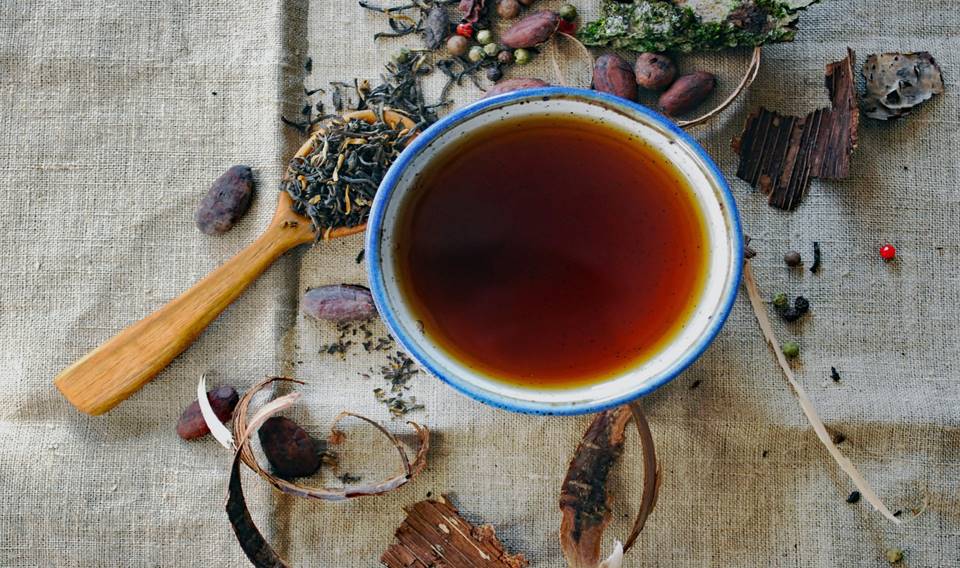
Green tea (Camellia sinensis) is among the most extensively studied herbal beverages for weight management. Its primary active compounds include catechins, particularly epigallocatechin gallate (EGCG), which stimulate thermogenesis, enhance fat oxidation, and increase daily energy expenditure.
Clinical studies have shown that green tea extract may produce modest reductions in body weight, body fat percentage, waist circumference, and body mass index (BMI), especially when combined with physical activity [1].
Drinking two to three cups of freshly brewed green tea daily may provide metabolic benefits while supplying beneficial antioxidants.
2. Fenugreek
Fenugreek (Trigonella foenum-graecum) seeds contain abundant soluble fiber, including galactomannan, which absorbs water and expands in the stomach. This process promotes satiety, reduces hunger, and may lower overall calorie intake.
Fenugreek also improves blood sugar regulation by slowing carbohydrate absorption and enhancing insulin sensitivity. Stable blood glucose levels reduce sudden hunger and food cravings, making adherence to calorie-controlled diets easier.
Clinical trials have demonstrated that fenugreek supplementation may reduce appetite, increase fullness, and improve glycemic control, particularly among overweight individuals and patients with type 2 diabetes [3]. Fenugreek can be consumed as soaked seeds, herbal tea, or standardized supplements.

3. Ginger
Ginger (Zingiber officinale) has been used traditionally for centuries to improve digestion and metabolic health. Its active compounds, including gingerols and shogaols, exhibit anti-inflammatory, antioxidant, and thermogenic properties.
Research suggests that ginger enhances fat oxidation, improves insulin sensitivity, and may reduce body weight by regulating lipid metabolism. Additionally, ginger supports healthy digestion by accelerating gastric emptying and reducing gastrointestinal discomfort.
Clinical trials reported that ginger supplementation significantly reduced body weight, waist-to-hip ratio, fasting glucose, and insulin resistance among overweight adults [4]. Drinking fresh ginger tea before meals remains one of the easiest ways to incorporate this herb into daily routines.

4. Cinnamon
Cinnamon (Cinnamomum verum and Cinnamomum cassia) is widely recognized for its beneficial effects on blood glucose metabolism. Bioactive compounds such as cinnamaldehyde improve insulin sensitivity and reduce post-meal blood sugar spikes.
Stable blood glucose helps minimize excessive insulin secretion, thereby reducing fat storage and controlling hunger. Some laboratory studies also suggest that cinnamon may activate thermogenic pathways in fat cells, although human evidence remains limited.
Several clinical trials indicate that cinnamon supplementation improves fasting blood glucose, insulin resistance, and lipid profiles, with modest effects on body weight [5]. Adding cinnamon to oatmeal, yogurt, smoothies, or herbal tea provides a practical way to incorporate this spice into a healthy diet.

5. Garcinia Cambogia: Does It Really Work?
Garcinia cambogia has become a popular herbal weight-loss supplement because it contains hydroxycitric acid (HCA). Laboratory studies suggest that HCA inhibits ATP citrate lyase, an enzyme involved in fat synthesis, while increasing serotonin levels that may reduce appetite.
Despite widespread marketing claims, clinical evidence remains inconsistent. Some randomized controlled trials report small reductions in body weight, whereas others demonstrate little or no meaningful benefit. A comprehensive meta-analysis concluded that Garcinia cambogia may produce only modest short-term weight loss that is unlikely to be clinically significant [6].
Furthermore, rare cases of liver injury have been associated with certain Garcinia-containing supplements, highlighting the importance of selecting quality products and consulting healthcare professionals before use.
Can Herbs Replace Diet and Exercise?
The simple answer is no. Herbs may complement-but cannot replace-a healthy lifestyle. Sustainable weight loss depends primarily on maintaining a calorie deficit through nutritious eating patterns, regular physical activity, adequate sleep, stress reduction, and long-term behavioral changes.
When combined with these lifestyle interventions, evidence-based herbs such as green tea, ginger, fenugreek, and cinnamon may provide additional metabolic support. However, relying solely on herbal supplements without improving lifestyle habits is unlikely to produce meaningful or lasting weight loss.
Safety Considerations
Although herbs are natural, they are not always risk-free. Individuals taking medications for diabetes, hypertension, blood clotting disorders, or chronic diseases should consult healthcare providers before using herbal supplements because potential herb-drug interactions may occur. Pregnant and breastfeeding women should also seek medical advice before consuming concentrated herbal extracts.
Choosing standardized, third-party tested supplements from reputable manufacturers helps reduce the risk of contamination and inaccurate labeling.
Bottom Line
Herbs may support healthy weight management through multiple mechanisms such as increasing fat oxidation, enhancing thermogenesis, regulating blood sugar, and reducing appetite. Among these, green tea, ginger, fenugreek, and cinnamon have the strongest clinical support for improving metabolic health when combined with diet and exercise.