

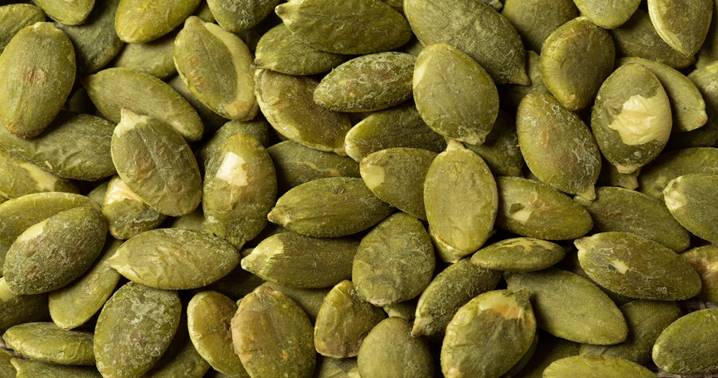
Pumpkin seeds, also known as pepitas, are small edible seeds packed with impressive nutritional value and therapeutic potential. Although often overlooked, these nutrient-dense seeds have gained attention in modern nutritional science due to their rich content of protein, healthy fats, antioxidants, vitamins, and essential minerals.
Used traditionally in many cultures for promoting vitality and wellness, pumpkin seeds are now increasingly supported by scientific evidence for their role in cardiovascular health, immune function, metabolic regulation, and reproductive health. Whether consumed raw, roasted, or added to meals, pumpkin seeds can be a simple yet powerful addition to a balanced diet.
Nutrient-Dense Superfood
Pumpkin seeds are highly nutritious despite their small size. They provide a concentrated supply of macronutrients and micronutrients essential for optimal body function.
A typical serving of pumpkin seeds contains:
- High-quality plant-based protein
- Healthy unsaturated fats, including omega-6 and omega-9 fatty acids
- Dietary fiber
- Magnesium
- Zinc
- Iron
- Potassium
- Phosphorus
- Copper
- Manganese
- Vitamin E and B vitamins
- Antioxidants such as carotenoids and phenolic compounds
The protein and healthy fats in pumpkin seeds help maintain satiety, support muscle repair, and contribute to energy production. Their antioxidant profile helps combat oxidative stress, which is linked to aging and chronic diseases.
Because of this exceptional nutrient density, pumpkin seeds are often classified as a functional food, meaning they provide health benefits beyond basic nutrition.
Supports Heart Health and Cardiovascular Function
One of the most important health benefits of pumpkin seeds is their positive impact on heart health because it is rich in magnesium, antioxidants, and heart-friendly unsaturated fats, all of which contribute to cardiovascular protection.
Including pumpkin seeds as part of a heart-healthy diet may contribute to long-term cardiovascular wellness.
Helps Regulate Blood Pressure
Magnesium plays a critical role in relaxing blood vessels and maintaining normal blood pressure levels. Low magnesium intake has been associated with hypertension and increased cardiovascular risk. Regular consumption of magnesium-rich foods like pumpkin seeds may help support healthy blood pressure control.
Improves Cholesterol Profile
The healthy fats in pumpkin seeds, particularly monounsaturated and polyunsaturated fatty acids, may help reduce LDL (bad) cholesterol while supporting HDL (good) cholesterol levels.
Reduces Inflammation
Chronic inflammation is a major contributor to heart disease. Pumpkin seeds contain antioxidants and anti-inflammatory compounds that may help reduce oxidative damage to blood vessels and improve overall cardiovascular function.

High in Magnesium: Essential for Multiple Body Functions
Pumpkin seeds are among the best natural dietary sources of magnesium, a mineral involved in over 300 biochemical reactions in the body.
Magnesium is essential for:
- Muscle and nerve function
- Blood sugar regulation
- Bone health
- Energy production
- DNA synthesis
- Heart rhythm stability
Unfortunately, magnesium deficiency is common, often due to poor dietary habits. Symptoms may include muscle cramps, fatigue, irritability, and sleep disturbances.
A small serving of pumpkin seeds can significantly contribute to daily magnesium requirements, making them a valuable food for maintaining optimal physiological function. Adequate magnesium intake has also been associated with reduced risk of osteoporosis, migraines, and metabolic syndrome.

Strengthens the Immune System
Pumpkin seeds are rich in zinc, an essential mineral crucial for immune defense and cellular repair.
Zinc supports:
- Development and activation of immune cells
- Wound healing
- Anti-inflammatory responses
- Protection against infections
Zinc deficiency can weaken immune function and increase susceptibility to illness. Regular intake of zinc-rich foods such as pumpkin seeds can help strengthen natural immunity.
Additionally, pumpkin seeds contain antioxidants like vitamin E and carotenoids, which protect immune cells from oxidative stress and help maintain a healthy inflammatory balance.
During seasonal changes or periods of increased stress, incorporating pumpkin seeds into the diet may provide valuable immune support.
May Improve Sleep Quality Naturally
Pumpkin seeds may contribute to better sleep due to their unique combination of magnesium and tryptophan.
Tryptophan is an amino acid involved in the production of serotonin and melatonin, two compounds that regulate mood and sleep cycles.
Magnesium further supports relaxation by calming the nervous system and promoting muscle relaxation.
Consuming pumpkin seeds in the evening as a light snack may help:
- Improve sleep onset
- Enhance sleep quality
- Reduce nighttime restlessness
For individuals experiencing mild sleep disturbances, pumpkin seeds may offer a natural and nutritious sleep-supportive option.

Supports Prostate and Bladder Health
Pumpkin seeds have long been used traditionally to support prostate health, particularly in men.
Scientific research suggests that pumpkin seed compounds may benefit individuals with benign prostatic hyperplasia (BPH), a condition characterized by prostate enlargement and urinary symptoms.
Potential mechanisms include:
- Anti-inflammatory effects
- Hormonal balance support
- Improvement in urinary flow and bladder function
Pumpkin seed oil has also shown promise in supporting bladder health and reducing symptoms of overactive bladder in some studies.
Their high zinc content further supports reproductive tissue health and may contribute to healthy prostate function as men age.
Linked to a Reduced Risk of Certain Cancers
Pumpkin seeds contain powerful antioxidants and phytochemicals that may help protect cells from oxidative damage and abnormal growth.
Some observational studies suggest that diets rich in pumpkin seeds may be associated with a reduced risk of certain cancers, including:
- Breast cancer
- Prostate cancer
- Colon cancer
Potential protective compounds include:
- Lignans
- Carotenoids
- Vitamin E
- Phenolic antioxidants
These compounds may help neutralize free radicals, reduce inflammation, and influence cellular pathways involved in cancer development.
While pumpkin seeds are not a treatment or cure, including antioxidant-rich foods in the diet may contribute to long-term cancer prevention strategies.
Can Help Lower Blood Sugar Levels
Emerging evidence suggests that pumpkin seeds may support blood sugar regulation, making them beneficial for individuals with insulin resistance or diabetes.
Their benefits include:
- High magnesium content improving insulin sensitivity
- Fiber slowing glucose absorption
- Healthy fats reducing post-meal blood sugar spikes
Animal and human studies indicate that pumpkin seed extracts may help improve metabolic markers and support healthier blood glucose control.
Including pumpkin seeds in meals or snacks may be a practical dietary strategy for maintaining balanced energy and supporting metabolic health.
May Improve Sperm Quality and Male Fertility
Pumpkin seeds are rich in nutrients essential for male reproductive health, particularly zinc, antioxidants, and omega fatty acids.
Zinc is especially important for:
- Testosterone production
- Sperm formation
- Sperm motility
- DNA integrity
Oxidative stress can negatively affect sperm quality, and the antioxidants in pumpkin seeds may help protect reproductive cells from damage.
Some evidence suggests that pumpkin seed oil may also support hormonal balance and improve overall reproductive wellness.
For men seeking natural nutritional support for fertility and reproductive health, pumpkin seeds can be a beneficial dietary addition.
The Bottom Line
Pumpkin seeds are a small but powerful nutritional powerhouse with wide-ranging health benefits supported by modern scientific research. From supporting heart health and immune function to improving sleep, blood sugar regulation, prostate wellness, and reproductive health, these nutrient-rich seeds deserve a place in a balanced diet.
Incorporating pumpkin seeds regularly is a simple and effective way to enhance nutrient intake and promote long-term wellness naturally.