


What Is Potassium?
Potassium is an essential mineral and electrolyte that plays a vital role in maintaining overall health. It is one of the most abundant minerals in the human body and is required for the proper functioning of cells, tissues, nerves, and muscles. Unlike some nutrients that the body can produce on its own, potassium must be obtained through food and beverages.
Potassium works closely with sodium to regulate fluid balance and support normal cellular activity. While sodium tends to increase blood pressure when consumed excessively, potassium helps counteract these effects by promoting sodium excretion through urine. Because of its crucial role in cardiovascular function, potassium has become a major focus of nutritional research and public health recommendations.
According to clinical evidence, many adults fail to meet the recommended daily intake of potassium due to low consumption of fruits, vegetables, legumes, and other potassium-rich foods. This nutritional gap may increase the risk of high blood pressure, cardiovascular disease, kidney stones, and other health complications. Therefore, understanding the importance of potassium and incorporating potassium-rich foods into daily meals is essential for long-term health.
What Does Potassium Do for the Body?
Potassium supports numerous physiological functions that are essential for health and well-being. One of its most important roles is regulating blood pressure. Clinical studies have consistently shown that higher potassium intake is associated with lower blood pressure levels, particularly in individuals with hypertension. Potassium helps relax blood vessel walls and reduces the harmful effects of excess sodium, contributing to better cardiovascular health.
Another critical function of potassium is supporting muscle contraction. Every movement in the body, from walking and lifting objects to the beating of the heart, depends on adequate potassium levels. Low potassium levels can lead to muscle weakness, cramps, fatigue, and abnormal heart rhythms.
Potassium is also essential for proper nerve function. Nerve cells rely on potassium to transmit electrical signals throughout the body. These signals control muscle movement, reflexes, and communication between the brain and other organs. Insufficient potassium can impair nerve signaling and affect normal body functions.
Additionally, potassium contributes to fluid and electrolyte balance. It helps regulate the movement of fluids in and out of cells, ensuring optimal hydration and cellular function. Research also suggests that potassium may help reduce the risk of kidney stones by decreasing calcium loss in urine and supporting bone health by reducing calcium depletion from bones.
Emerging evidence indicates that adequate potassium intake may support metabolic health, lower stroke risk, and contribute to healthy aging. For these reasons, healthcare professionals recommend consuming potassium-rich foods regularly as part of a balanced diet.
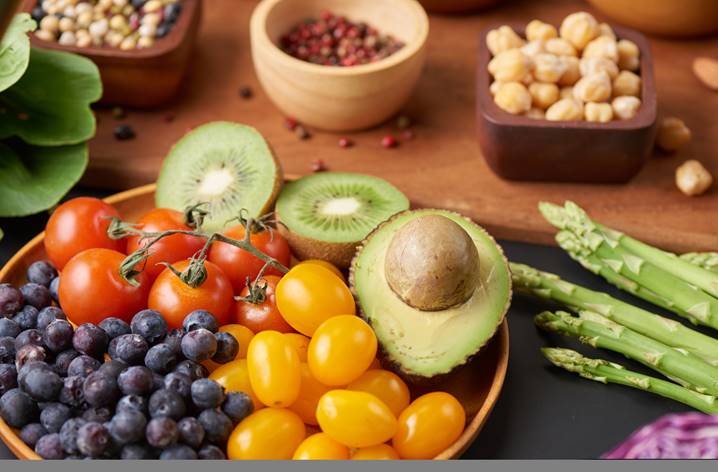
Best Sources of Potassium
Obtaining potassium through whole foods is considered the safest and most effective approach. A wide variety of fruits, vegetables, legumes, dairy products, and seafood naturally contain significant amounts of potassium.
Bananas
Bananas are among the most recognized sources of potassium. A medium-sized banana provides approximately 400-450 mg of potassium. In addition to potassium, bananas contain fiber, vitamin B6, and antioxidants that support digestive and cardiovascular health. They are a convenient snack and can be easily incorporated into breakfast meals, smoothies, and healthy desserts.
Sweet Potatoes
Sweet potatoes are nutritional powerhouses and one of the richest dietary sources of potassium. A medium baked sweet potato can provide more than 500 mg of potassium. They are also rich in fiber, vitamin A, and beneficial plant compounds that support immune function and eye health.
Avocados
Avocados provide healthy monounsaturated fats along with a substantial amount of potassium. One medium avocado can contain over 700 mg of potassium, making it an excellent choice for heart health. Clinical research suggests that diets rich in avocados may help improve cholesterol levels and support cardiovascular wellness.
Spinach and Leafy Greens
Dark leafy greens such as spinach, Swiss chard, and kale are excellent potassium-rich foods. Cooked spinach provides more than 800 mg of potassium per cup. These vegetables also contain magnesium, iron, folate, and antioxidants that contribute to overall health and disease prevention.
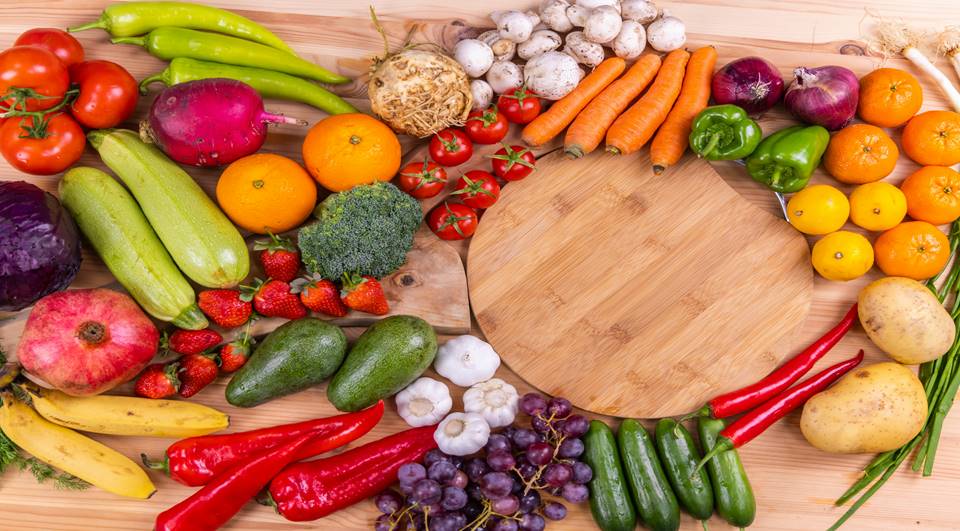
Beans and Lentils
Legumes are among the most nutrient-dense foods available. Kidney beans, white beans, black beans, chickpeas, and lentils provide significant amounts of potassium along with plant-based protein and dietary fiber. Regular consumption of legumes has been associated with improved blood sugar control, heart health, and digestive function.
Potatoes
Both white potatoes and sweet potatoes are excellent potassium sources. A baked potato with skin can provide more than 900 mg of potassium. Potatoes also contain vitamin C, complex carbohydrates, and fiber that support energy production and satiety.
Coconut Water
Often referred to as a natural electrolyte beverage, coconut water contains substantial potassium while being relatively low in calories. It is particularly useful for replenishing electrolytes after physical activity or during hot weather when fluid losses are increased.
Yogurt and Dairy Products
Yogurt, milk, and other dairy products contribute meaningful amounts of potassium while providing calcium and protein. Research suggests that dairy foods can support bone health and help meet daily potassium requirements.
Tomatoes and Tomato Products
Tomatoes, tomato juice, and tomato paste are surprisingly rich in potassium. Tomato paste is especially concentrated and can significantly boost potassium intake when used in soups, sauces, and stews. Tomatoes also contain lycopene, an antioxidant associated with heart and prostate health.
Fish
Fatty fish such as salmon, tuna, and halibut are excellent sources of potassium and high-quality protein. These fish also provide omega-3 fatty acids, which have been extensively studied for their benefits in reducing inflammation and supporting cardiovascular health.
Dried Fruits
Dried apricots, raisins, prunes, and dates contain concentrated amounts of potassium because water has been removed during processing. These foods can be a convenient way to increase potassium intake but should be consumed in moderation due to their natural sugar content.
Bottom Line
Potassium is an essential mineral that supports heart health, blood pressure regulation, muscle function, nerve signaling, hydration, and overall well-being. Clinical evidence consistently shows that diets rich in potassium-containing foods are associated with a lower risk of hypertension, stroke, kidney stones, and cardiovascular disease. Despite its importance, many individuals do not consume enough potassium due to inadequate intake of fruits, vegetables, legumes, and other nutrient-dense foods.
The best way to meet potassium needs is through a balanced diet that includes bananas, sweet potatoes, avocados, spinach, beans, potatoes, yogurt, tomatoes, fish, and other potassium-rich foods. These foods provide not only potassium but also a wide range of vitamins, minerals, fiber, and antioxidants that support long-term health. By making potassium-rich foods a regular part of daily meals, individuals can improve cardiovascular wellness, enhance muscle and nerve function, and promote overall health naturally.