


Fruits rich in Vitamin C are among the most important natural sources of nutrients for overall health. They play a vital role in immune defense, collagen production, skin health, wound healing, iron absorption, and antioxidant protection. While oranges are traditionally considered the symbol of vitamin C, several other fruits actually contain significantly higher amounts of this essential nutrient.
Including a variety of vitamin C-rich fruits in the diet may help support immunity, reduce oxidative stress, improve skin health, and protect the body against cellular damage caused by free radicals. Among the most nutrient-dense fruits higher in vitamin C than oranges are Guava, Kakadu Plum, Kiwifruit, Strawberry, and Papaya.
Why Vitamin C Is Important
Vitamin C, also known as ascorbic acid, is a water-soluble vitamin that the human body cannot produce naturally. Therefore, it must be obtained through food sources.
Vitamin C supports several important physiological functions, including:
- Strengthening immune function
- Supporting collagen synthesis for skin, bones, and joints
- Acting as a powerful antioxidant
- Enhancing iron absorption
- Supporting wound healing
- Protecting cells against oxidative stress
A deficiency in vitamin C may lead to fatigue, weakened immunity, poor wound healing, and skin-related problems.

1. Guava
Guava is considered one of the best natural sources of vitamin C. A single 100-gram serving of guava may provide approximately 200–230 mg of vitamin C, which is far higher than the amount found in oranges.
Beyond vitamin C, guava is also rich in dietary fiber, potassium, folate, and antioxidants such as lycopene and carotenoids.
Nutritional Highlights of Guava
- Vitamin C: ~228 mg per 100 g
- Fiber: ~5 g
- Potassium: ~417 mg
- Low in calories
Key Health Benefits
Guava may help support immune health, digestive wellness, and skin protection. Its antioxidant compounds may help reduce oxidative stress and inflammation. The high fiber content may also support healthy digestion and blood sugar balance.
Because of its impressive nutritional profile, guava is often considered one of the most nutrient-dense tropical fruits.
2. Kakadu Plum
Kakadu Plum is a native Australian fruit recognized as one of the richest natural sources of vitamin C in the world.
Studies suggest Kakadu Plum may contain up to 2,500-3,000 mg of vitamin C per 100 grams, making it significantly more concentrated than oranges.
Nutritional Highlights of Kakadu Plum
- Extremely high vitamin C content
- Rich in polyphenols and antioxidants
- Contains iron and dietary fiber
Key Health Benefits
The exceptionally high antioxidant activity of Kakadu Plum may help protect cells against oxidative damage. Vitamin C also supports collagen production, which contributes to skin elasticity and wound healing.
Researchers are increasingly studying Kakadu Plum for its potential antimicrobial and anti-inflammatory properties due to its high phenolic content.
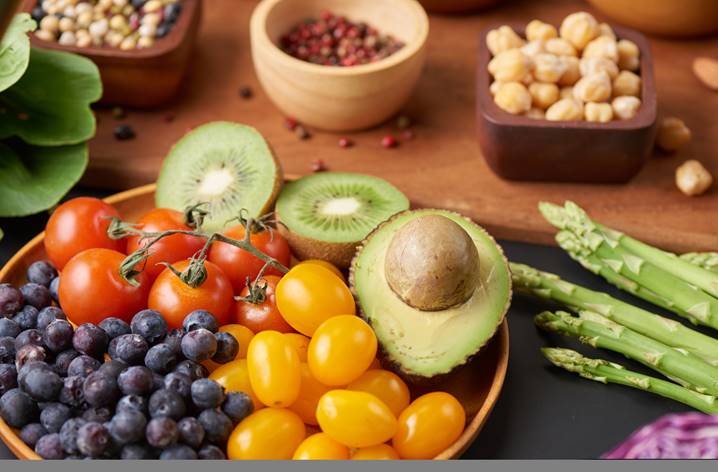
3. Kiwifruit
Kiwifruit is another excellent source of vitamin C. A single medium kiwifruit may provide approximately 70-90 mg of vitamin C, often more than an orange depending on fruit size.
Kiwifruit is also rich in potassium, vitamin K, vitamin E, and dietary fiber.
Nutritional Highlights of Kiwifruit
- Vitamin C: ~90 mg per 100 g
- Fiber-rich
- Contains potassium and antioxidants
Key Health Benefits
Kiwifruit may support immune function, digestive health, and cardiovascular wellness. Its fiber content supports gut health, while antioxidants help protect cells from free radical damage.
Some studies also suggest kiwifruit may support sleep quality due to its serotonin and antioxidant content.
4. Strawberries
Strawberry are not only delicious but also packed with vitamin C and antioxidants. A 100-gram serving of strawberries contains approximately 58-60 mg of vitamin C.
They are also rich in anthocyanins, flavonoids, manganese, and fiber.
Nutritional Highlights of Strawberries
- Vitamin C: ~59 mg per 100 g
- Rich in antioxidants
- Good source of manganese and fiber
Key Health Benefits
Strawberries may help support heart health, skin protection, and inflammation control. Their antioxidant compounds may help reduce oxidative stress and support healthy aging.
Because strawberries are naturally low in calories and high in nutrients, they are commonly included in balanced and weight-conscious diets.
5. Papaya
Papaya is another vitamin C-rich tropical fruit. A 100-gram serving may provide around 60-70 mg of vitamin C.
Papaya is also rich in vitamin A, folate, potassium, and digestive enzymes such as papain.
Nutritional Highlights of Papaya
- Vitamin C: ~60 mg per 100 g
- Rich in vitamin A and folate
- Contains digestive enzymes
Key Health Benefits
Papaya may support immune health, digestion, and skin wellness. The enzyme papain may help improve protein digestion and reduce digestive discomfort.
Its antioxidant nutrients, including carotenoids and vitamin C, may also support eye health and reduce oxidative stress.
Key Takeaway
Although oranges remain a well-known source of vitamin C, several fruits actually contain even higher levels of this important nutrient. Guava and Kakadu Plum are among the richest known sources, while Kiwifruit, Strawberry, and Papaya provide additional nutritional and antioxidant benefits. Including a variety of these fruits in a balanced diet may help strengthen immunity, support skin and collagen health, improve antioxidant protection, and promote overall wellness naturally.