


What Is Leaky Gut?
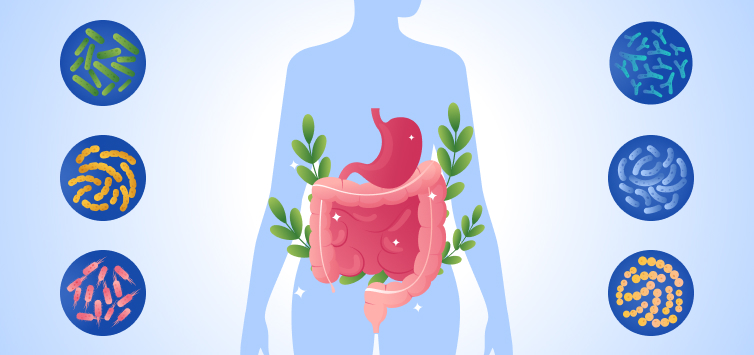
Leaky gut syndrome, medically known as increased intestinal permeability, occurs when the protective lining of the intestine becomes compromised. Your gut does far more than digest food; it serves as a critical barrier (tight junctions) that regulates what enters the bloodstream and what remains within the digestive tract. When this barrier weakens, unwanted substances such as toxins, bacteria, and partially digested food particles may pass into circulation, potentially triggering inflammation and various health concerns throughout the body.
Research published in journals such as Gut and Frontiers in Immunology suggests that increased intestinal permeability may play a role in chronic inflammation and various gastrointestinal conditions.
Although the term “leaky gut” remains a topic of ongoing research, studies have shown that impaired intestinal barrier function can contribute to inflammation and may be associated with digestive and metabolic disorders. The good news is that the gut lining has an impressive ability to repair itself when supported with proper nutrition and healthy lifestyle habits.
Common Symptoms of Leaky Gut
Symptoms can vary significantly from person to person, but commonly reported signs include:
- Bloating and gas
- Food sensitivities
- Digestive discomfort
- Fatigue
- Brain fog
- Skin issues such as acne or eczema
- Joint discomfort
- Irregular bowel movements
- Low energy levels
Because these symptoms overlap with many other health conditions, professional medical evaluation is important for an accurate diagnosis.
What Causes Leaky Gut?
Several factors can contribute to impaired gut barrier function.
Processed Foods and Excess Sugar
Diets rich in ultra-processed foods and added sugars can negatively affect the gut microbiome. Research shows that these dietary patterns may reduce beneficial bacteria that produce butyrate, a short-chain fatty acid essential for maintaining intestinal health. Without adequate butyrate, the gut lining may become more vulnerable to damage.
Chronic Stress
Stress affects the digestive system through the gut-brain connection. Elevated cortisol levels may alter gut function and weaken tight junctions. Studies have linked chronic stress to changes in gut microbiota and increased intestinal permeability.
Antibiotic Overuse
While antibiotics are important for treating bacterial infections, frequent use can disrupt beneficial gut bacteria. Reduced microbial diversity may weaken the gut’s natural protective mechanisms and impair intestinal health.
Alcohol and Certain Medications
Excessive alcohol consumption and long-term use of non-steroidal anti-inflammatory drugs (NSAIDs) have been associated with increased intestinal permeability and inflammation.
Low Fiber Intake
Dietary fiber serves as fuel for beneficial gut bacteria. Low fiber intake limits the production of butyrate and other compounds that support a healthy gut lining.
Why the Gut Microbiome Matters
The gut microbiome consists of trillions of bacteria and other microorganisms that influence digestion, immunity, and metabolism.
A healthy microbiome helps:
- Strengthen the intestinal barrier
- Produce beneficial short-chain fatty acids
- Support immune function
- Reduce inflammation
- Improve digestion
When beneficial bacteria decline, gut barrier function may be compromised, making microbiome restoration an important part of gut healing.
How to Heal Leaky Gut Naturally
Improve Your Diet
Diet is the foundation of gut health. Focus on eating nutrient-dense foods that support beneficial gut bacteria and reduce inflammation.
Include:
Limit:
- Processed foods
- Sugary snacks and drinks
- Refined carbohydrates
- Excessive alcohol
An anti-inflammatory diet provides the nutrients needed for gut repair and overall health.
Increase Fiber Intake
Fiber is one of the most important nutrients for gut health. Beneficial bacteria ferment fiber to produce butyrate, which nourishes intestinal cells and supports barrier integrity. Most adults should consume 25-38 grams of fiber daily. However, many people consume far less than recommended. If dietary intake is insufficient, a dietary fiber supplement may help support daily fiber goals.
Use Probiotics and Prebiotics
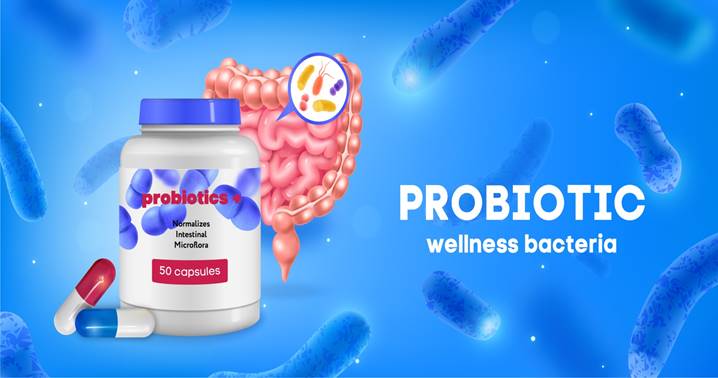
Probiotics are beneficial microorganisms that help restore microbial balance, while prebiotics serve as food for those beneficial bacteria. Clinical studies suggest that strains such as Lactobacillus rhamnosus GG and Bifidobacterium longum may help support intestinal barrier health and reduce markers of permeability. Using probiotics and prebiotics together can provide comprehensive support for gut health.
Add Fermented Foods
Fermented foods naturally contain beneficial microbes that may help diversify the gut microbiome. Fermented foods such as Yogurt or curd, Kefir, Kimchi, Sauerkraut, Kanji and Traditional fermented foods such as idli and dosa. Regular consumption of these fermented foods may contribute to improved digestive health.
Manage Stress
Stress management is an essential component of gut healing. Reducing chronic stress may help lower cortisol levels and support a healthier intestinal barrier.
Helpful practices include:
- Meditation
- Yoga
- Deep breathing exercises
- Walking and physical activity
- Spending time outdoors
Prioritize Quality Sleep
Sleep plays a crucial role in immune function, recovery, and gut health. Poor sleep may increase inflammation and negatively affect the gut microbiome. Aim for 7-9 hours of quality sleep each night to support optimal gut function and overall well-being.
Signs Your Gut Is Healing
Healing takes time, but many people notice improvements within several weeks of making consistent lifestyle changes. Common signs of improvement include:
- Less bloating and digestive discomfort
- Better stool consistency
- Reduced food sensitivities
- Improved energy levels
- Clearer skin
- Better concentration and mental clarity
Key Takeaways
- Leaky gut refers to increased intestinal permeability caused by disruption of the gut barrier.
- Processed foods, chronic stress, antibiotic overuse, alcohol, and low fiber intake may contribute to gut dysfunction.
- The gut microbiome plays a critical role in maintaining a healthy intestinal barrier.
- Increasing fiber intake, consuming fermented foods, and using probiotics may help support gut repair.
- Stress management and quality sleep are essential for long-term gut health.
- The intestinal lining is capable of regeneration when given the right nutritional and lifestyle support.
The Bottom Line
Leaky gut is not necessarily a permanent condition. The digestive system is constantly renewing itself, and research suggests that many factors influencing intestinal permeability are modifiable. By improving diet quality, increasing fiber intake, supporting the gut microbiome, managing stress, and prioritizing sleep, individuals can create an environment that supports gut healing.
Rather than searching for a quick fix, focusing on sustainable habits offers the most effective strategy for restoring intestinal health and improving overall well-being.