

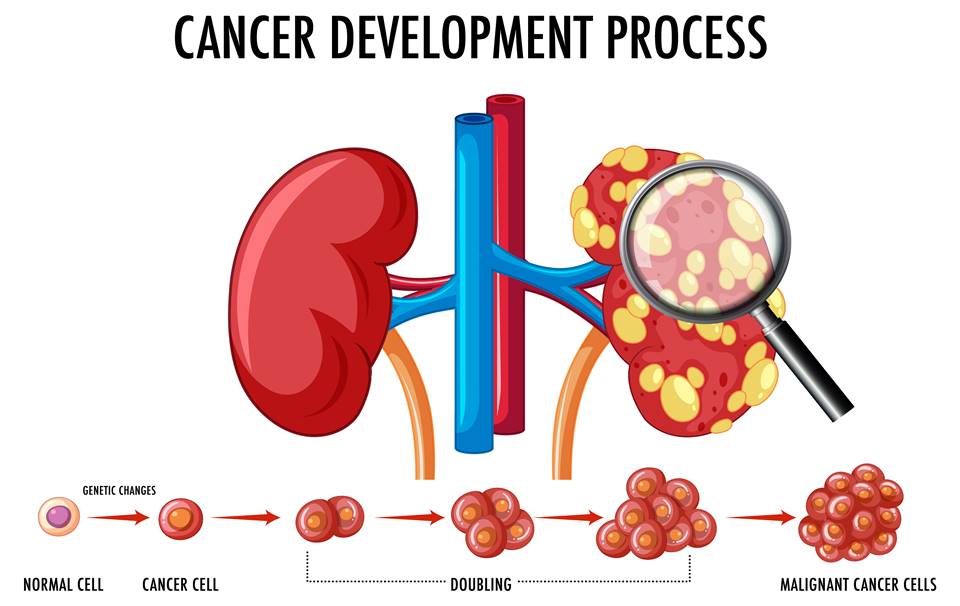
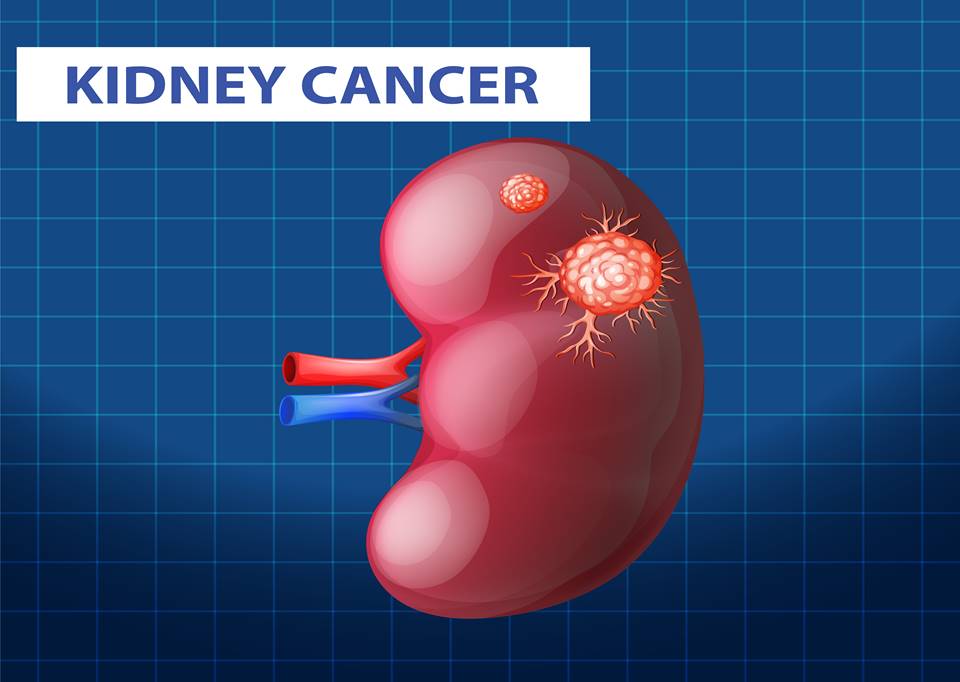
Kidney cancer is a serious disease that develops when abnormal cells in the kidneys grow uncontrollably and form a tumor.
The kidneys are two bean-shaped organs located on either side of the spine just below the rib cage. Their primary functions include filtering waste products from the blood, regulating blood pressure, balancing electrolytes, and producing hormones that help form red blood cells. When cancer develops in the kidneys, these vital functions may be affected, especially as the disease progresses.
Kidney cancer accounts for approximately 2-3% of all cancers worldwide, and its incidence has steadily increased over the past few decades. According to Global Cancer Statistics, more than 430,000 new kidney cancer cases and over 175,000 related deaths occur globally each year (Sung et al., 2021). Fortunately, advances in imaging technology have enabled earlier detection, while modern surgical techniques, targeted therapies, and immunotherapies have significantly improved patient outcomes.
What Is Kidney Cancer?
Kidney cancer occurs when genetic changes within kidney cells cause them to divide uncontrollably. These abnormal cells eventually form a mass known as a tumor. Some tumors remain localized within the kidney, while others invade surrounding tissues or spread (metastasize) to distant organs such as the lungs, bones, liver, or brain.
Types of Kidney Cancer
Several forms of kidney cancer exist, but some are more common than others.
Renal Cell Carcinoma (RCC)
Renal cell carcinoma accounts for approximately 85-90% of kidney cancers in adults. It originates in the tiny filtering units of the kidney known as renal tubules.
Clear Cell Renal Cell Carcinoma
This is the most common subtype of RCC, representing approximately 70-75% of cases. It is characterized by mutations affecting the von Hippel-Lindau (VHL) gene, which contributes to abnormal blood vessel growth within tumors.
Papillary Renal Cell Carcinoma
Papillary RCC accounts for approximately 10-15% of kidney cancers and tends to have different molecular characteristics compared to clear cell RCC.
Chromophobe Renal Cell Carcinoma
This relatively rare subtype generally has a better prognosis and lower metastatic potential.
Transitional Cell Carcinoma
This cancer develops in the renal pelvis, where urine collects before entering the ureter.
Wilms Tumor
Wilms tumor is a childhood kidney cancer that primarily affects children younger than five years of age.
Research suggests that smoking, obesity, hypertension, and certain inherited syndromes contribute significantly to kidney cancer risk (Chow et al., 2010).
Symptoms of Kidney Cancer
One of the challenges in diagnosing kidney cancer is that early-stage disease often produces no noticeable symptoms. Many kidney tumors are discovered accidentally during CT scans or ultrasounds performed for unrelated medical reasons.
As tumors enlarge, symptoms may become more apparent.
Blood in the Urine (Hematuria): Visible or microscopic blood in the urine is among the most common signs of kidney cancer. Even a single episode of unexplained hematuria warrants medical evaluation.
Persistent Flank Pain: Pain may develop in the side, lower back, or area between the ribs and hips. Unlike muscle-related back pain, cancer-related pain often persists and gradually worsens.
Abdominal Mass: Some patients may notice a lump or swelling in the abdomen or side, particularly when tumors become larger.
Unexplained Weight Loss: Cancer cells can alter metabolism and appetite, resulting in unintended weight loss.
Chronic Fatigue: Persistent fatigue that does not improve with rest may occur because of anemia, inflammation, or cancer-related metabolic changes.
Fever and Night Sweats: Some kidney cancers produce inflammatory substances that cause recurrent fever without infection.
Loss of Appetite: Reduced appetite is frequently reported in advanced disease.
Symptoms of Advanced Kidney Cancer
If cancer spreads beyond the kidney, additional symptoms may develop, including:
- Persistent cough
- Shortness of breath
- Bone pain
- Bone fractures
- Headaches
- Neurological symptoms
- Swelling in the legs
According to the American Urological Association, hematuria remains one of the most important clinical warning signs requiring prompt investigation (Campbell et al., 2021).

How to Diagnose Kidney Cancer
Accurate diagnosis requires a combination of clinical evaluation, laboratory tests, and imaging studies.
Medical History and Physical Examination
Physicians assess symptoms, smoking history, occupational exposures, obesity, hypertension, and family history of kidney cancer.
Urine Testing
Urinalysis can identify:
- Blood in urine
- Protein abnormalities
- Infection
- Other urinary tract disorders
Although urine testing cannot confirm kidney cancer, it often provides important diagnostic clues.
Blood Tests
Blood investigations help evaluate:
- Kidney function
- Liver function
- Red blood cell count
- Calcium levels
- Electrolyte balance
Advanced kidney cancer may cause anemia, elevated calcium levels, or abnormalities in liver function tests.
Ultrasound
Ultrasound is frequently used as an initial imaging test because it is non-invasive, affordable, and does not expose patients to radiation.
Computed Tomography (CT) Scan
Contrast-enhanced CT scanning is considered the gold standard for evaluating kidney tumors. CT imaging provides detailed information about:
- Tumor size
- Tumor location
- Blood vessel involvement
- Lymph node spread
- Distant metastasis
Magnetic Resonance Imaging (MRI)
MRI is particularly useful when tumors involve major blood vessels or when contrast-enhanced CT is unsuitable.
Kidney Tumor Biopsy
Image-guided needle biopsy may be performed when the diagnosis is uncertain or before initiating non-surgical treatment.
Studies report diagnostic accuracy rates exceeding 90% for renal tumor biopsies (Volpe et al., 2015).
How to Prevent Kidney Cancer
Although prevention cannot eliminate all cases, several evidence-based strategies can significantly reduce risk.
Quit Smoking: Smoking introduces carcinogenic chemicals that damage kidney tissue and increase cancer risk. Research indicates that smokers have approximately 50% greater kidney cancer risk than non-smokers (Hunt et al., 2005).
Maintain a Healthy Weight: Obesity is strongly associated with kidney cancer because excess body fat promotes inflammation, insulin resistance, and hormonal changes.
A large review estimated that excess body weight contributes to nearly one-third of kidney cancer cases (Chow et al., 2010).
Control Blood Pressure: Hypertension independently increases kidney cancer risk. Effective blood pressure management through diet, exercise, and medication may reduce this risk.
Stay Physically Active: Regular exercise supports weight control and improves metabolic health, both of which may lower cancer risk.
Eat a Balanced Diet: A diet rich in fruits, vegetables, whole grains, legumes, and lean proteins may support overall kidney health. Limiting processed foods and excessive red meat consumption may also be beneficial.
Avoid Harmful Chemical Exposure: Occupational exposure to solvents such as trichloroethylene has been linked to increased kidney cancer risk.
How to Cure Kidney Cancer
Treatment depends on cancer stage, tumor size, overall health, and whether the disease has spread.
Surgery: The Primary Curative Treatment
For localized kidney cancer, surgery remains the most effective treatment and offers the highest chance of cure.
Partial Nephrectomy
This procedure removes only the tumor while preserving the healthy portion of the kidney.
Clinical studies demonstrate excellent cancer control while maintaining kidney function (Campbell et al., 2021).
Radical Nephrectomy
When tumors are large or complex, complete removal of the affected kidney may be necessary.
Five-year survival rates for localized kidney cancer treated surgically often exceed 90% (SEER Program).
Ablation Procedures
Patients unable to undergo surgery may benefit from:
- Cryoablation (freezing cancer cells)
- Radiofrequency ablation (heat destruction)
These techniques are most effective for small tumors.
Targeted Therapy
Kidney cancer often depends on abnormal blood vessel growth. Targeted drugs block these pathways.
Examples include:
- Sunitinib
- Cabozantinib
- Axitinib
- Pazopanib
- Lenvatinib
The landmark trial by Motzer et al. (2007) demonstrated superior progression-free survival with sunitinib compared with interferon therapy.
Immunotherapy
Immunotherapy has revolutionized advanced kidney cancer treatment by helping the immune system recognize and destroy cancer cells.
Approved immunotherapies include:
- Nivolumab
- Pembrolizumab
- Ipilimumab
The CheckMate 214 trial showed significantly improved overall survival with nivolumab plus ipilimumab compared with sunitinib in advanced RCC (Motzer et al., 2018).
Similarly, the KEYNOTE-426 trial demonstrated superior survival with pembrolizumab plus axitinib (Rini et al., 2019).
Radiation Therapy
Although kidney tumors are relatively resistant to radiation, radiation therapy remains valuable for relieving symptoms caused by metastatic disease.
When to Seek a Doctor
Prompt medical evaluation is recommended if you experience:
- Blood in the urine
- Persistent flank or back pain
- Unexplained weight loss
- Chronic fatigue
- Recurrent fever without infection
- Loss of appetite
- Abdominal mass
- Persistent cough or bone pain
Individuals with inherited kidney cancer syndromes or strong family histories should discuss screening options with their healthcare provider.
Early-stage kidney cancer often has excellent treatment outcomes, whereas delayed diagnosis may allow the disease to spread and become more difficult to treat.
Bottom Line
Kidney cancer is a potentially life-threatening disease, but advances in detection and treatment have greatly improved outcomes. Renal cell carcinoma is the most common type and is strongly associated with smoking, obesity, hypertension, and certain genetic factors. Early symptoms may be subtle, but blood in the urine, persistent flank pain, unexplained weight loss, and fatigue should never be ignored. Contrast-enhanced CT scans remain the cornerstone of diagnosis, while surgery offers the best chance of cure for localized disease.
For advanced kidney cancer, targeted therapies and immunotherapies have transformed treatment and significantly improved survival. Maintaining a healthy weight, avoiding smoking, controlling blood pressure, and seeking medical attention for suspicious symptoms are important steps toward reducing risk and improving long-term outcomes.
References
- Sung H, Ferlay J, Siegel RL, et al. Global Cancer Statistics 2020. CA Cancer J Clin. 2021;71(3):209-249.
- Chow WH, Dong LM, Devesa SS. Epidemiology and risk factors for kidney cancer. Nat Rev Urol. 2010;7(5):245-257.
- Campbell SC, Uzzo RG, Allaf ME, et al. Renal Mass and Localized Renal Cancer Guideline. American Urological Association. 2021.
- Volpe A, Finelli A, Gill IS, et al. Renal tumor biopsy. Eur Urol. 2015;68(5):840-847.
- Hunt JD, van der Hel OL, McMillan GP, et al. Cigarette smoking and renal cell carcinoma. Cancer Epidemiol Biomarkers Prev. 2005;14(1):194-199.
- Motzer RJ, Hutson TE, Tomczak P, et al. Sunitinib versus interferon alfa in metastatic RCC. N Engl J Med. 2007;356(2):115-124.
- Motzer RJ, Tannir NM, McDermott DF, et al. Nivolumab plus ipilimumab versus sunitinib. N Engl J Med. 2018;378(14):1277-1290.
- Rini BI, Plimack ER, Stus V, et al. Pembrolizumab plus axitinib versus sunitinib. N Engl J Med. 2019;380(12):1116-1127.