
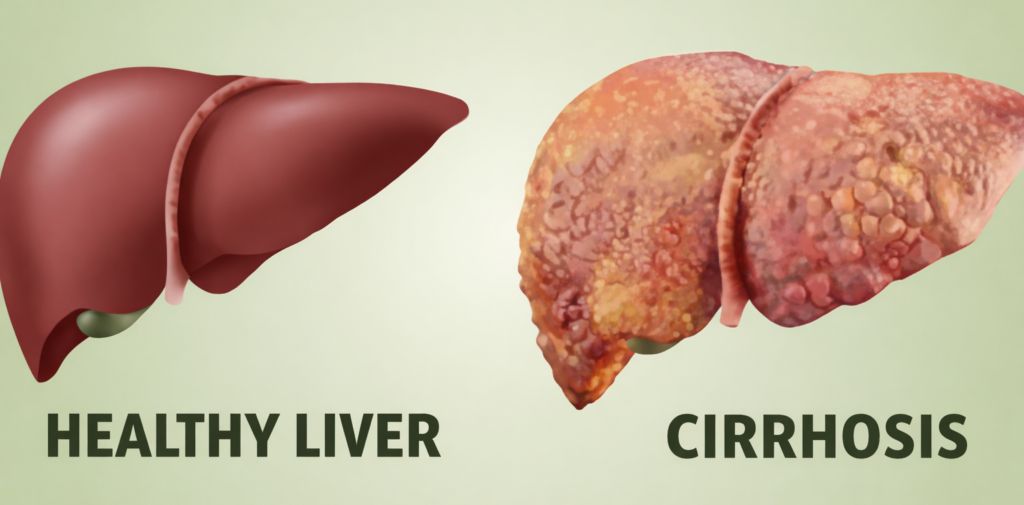
The liver is one of the body’s most important organs, performing more than 500 essential functions that include detoxification, nutrient metabolism, bile production, hormone regulation, and storage of vitamins and minerals. Every day, the liver processes nutrients from food, breaks down toxins, metabolizes medications, and helps maintain overall metabolic health. However, factors such as obesity, poor diet, excessive alcohol consumption, viral infections, diabetes, and sedentary lifestyles can place significant stress on the liver.
Non-alcoholic fatty liver disease (NAFLD), recently renamed metabolic dysfunction-associated steatotic liver disease (MASLD), has become one of the most common chronic liver conditions worldwide. Scientific evidence suggests that oxidative stress, inflammation, insulin resistance, and lipid accumulation contribute significantly to liver damage and disease progression.
Although lifestyle modification remains the cornerstone of liver health management, several dietary supplements have shown promising effects in supporting liver function and reducing liver-related risk factors. Here are five science-backed supplements that have been investigated in clinical studies for their potential role in liver health.
Key Supplements for Kidney Support
1. Milk Thistle (Silymarin)
Milk thistle (Silybum marianum) is one of the most widely studied herbal supplements for liver health. Its active component, silymarin, consists of flavonolignans with antioxidant, anti-inflammatory, and hepatoprotective properties.
Silymarin helps stabilize liver cell membranes and may reduce oxidative damage caused by free radicals. It also supports glutathione production, one of the body’s most important endogenous antioxidants. Laboratory studies suggest that silymarin may inhibit inflammatory pathways involved in liver injury and fibrosis.
Clinical studies have reported improvements in liver enzyme levels among individuals with chronic liver disease and fatty liver disease. A meta-analysis published in Medicine found that silymarin supplementation was associated with reductions in alanine aminotransferase (ALT) and aspartate aminotransferase (AST), markers commonly used to assess liver injury (Zhong et al., 2017).
Additionally, some studies suggest that silymarin may help slow the progression of liver fibrosis, although larger long-term clinical trials are needed to confirm these effects.
2. N-Acetylcysteine (NAC)
N-acetylcysteine (NAC) is a precursor to glutathione, often referred to as the body’s master antioxidant. Glutathione plays a central role in detoxification processes within the liver and helps neutralize reactive oxygen species that can damage liver cells.
NAC is well known for its medical use in acetaminophen (paracetamol) toxicity, where it can prevent severe liver injury when administered promptly. Beyond emergency medicine, researchers have investigated NAC for chronic liver conditions characterized by oxidative stress and inflammation.
Clinical studies suggest that NAC may improve liver enzyme levels and reduce markers of oxidative damage in individuals with non-alcoholic fatty liver disease. In a randomized clinical trial, patients receiving NAC demonstrated significant improvements in liver enzymes compared with controls (Khoshbaten et al., 2010).
By replenishing glutathione stores and reducing oxidative stress, NAC may support overall liver resilience and cellular health.
3. Omega-3 Fatty Acids
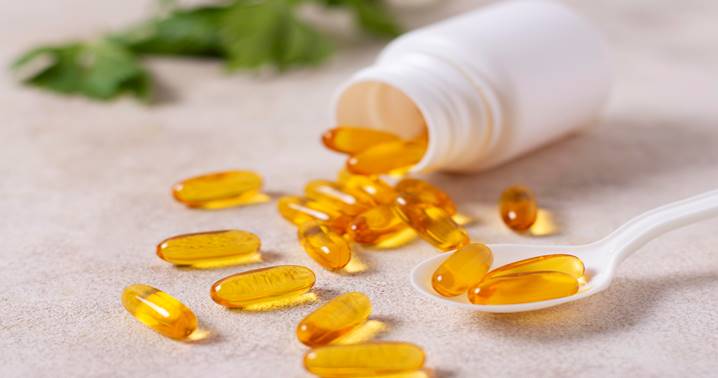
Omega-3 fatty acids, particularly EPA and DHA from fish oil, have been extensively studied for their cardiovascular and anti-inflammatory benefits. Increasing evidence also supports their role in liver health.
One of the hallmark features of fatty liver disease is the accumulation of triglycerides within liver cells. Omega-3 fatty acids may help reduce liver fat by improving lipid metabolism, decreasing triglyceride synthesis, and enhancing fatty acid oxidation.
A systematic review and meta-analysis published in PLoS One reported that omega-3 supplementation significantly reduced liver fat content and improved liver enzyme levels in patients with non-alcoholic fatty liver disease (Parker et al., 2012).
Omega-3 fatty acids may also reduce inflammatory cytokines involved in liver injury and support metabolic health by improving insulin sensitivity. These effects make them particularly relevant for individuals with metabolic dysfunction-associated fatty liver disease.
4. Curcumin
Curcumin, the primary bioactive compound in turmeric (Curcuma longa), possesses potent antioxidant and anti-inflammatory properties. Chronic inflammation and oxidative stress are major drivers of liver disease progression, making curcumin a compound of significant interest.
Curcumin appears to modulate several molecular pathways involved in inflammation, including nuclear factor-kappa B (NF-κB), while enhancing antioxidant defense mechanisms.
A randomized controlled trial involving patients with non-alcoholic fatty liver disease demonstrated that curcumin supplementation significantly reduced liver fat accumulation and improved liver enzyme levels compared with placebo (Panahi et al., 2017).
Additional research suggests that curcumin may help reduce fibrosis-related signaling pathways and improve insulin sensitivity, both of which are important factors in maintaining liver health.
Because curcumin has relatively poor natural bioavailability, formulations containing piperine or specialized delivery systems are often used to enhance absorption.
5. Vitamin E
Vitamin E is a fat-soluble antioxidant that protects cell membranes from oxidative damage. Oxidative stress is considered a key contributor to the development and progression of fatty liver disease.
The landmark PIVENS trial demonstrated that vitamin E supplementation significantly improved liver histology in non-diabetic adults with non-alcoholic steatohepatitis (NASH), a more advanced form of fatty liver disease (Sanyal et al., 2010).
Researchers observed improvements in liver inflammation and cellular injury among participants receiving vitamin E. These findings have influenced clinical guidelines, which recommend vitamin E in selected patients with biopsy-proven non-alcoholic steatohepatitis under medical supervision.
Vitamin E may help protect liver cells by neutralizing free radicals and reducing oxidative damage that contributes to disease progression.
How These Supplements Work
Although each supplement acts through different mechanisms, several common pathways explain their potential benefits for liver health.
Milk thistle supports antioxidant defenses, stabilizes liver cell membranes, and may reduce fibrosis-related processes. NAC replenishes glutathione stores, enhancing detoxification and reducing oxidative stress. Omega-3 fatty acids improve lipid metabolism, reduce liver fat accumulation, and lower inflammation. Curcumin modulates inflammatory signaling pathways while strengthening antioxidant defenses. Vitamin E protects cellular membranes from oxidative injury and may reduce liver inflammation.
Collectively, these mechanisms target some of the major contributors to liver dysfunction, including oxidative stress, inflammation, insulin resistance, and fat accumulation.
How to Nourish Liver Health with Foods
Supplements can complement a healthy lifestyle, but nutrition remains the foundation of liver health. Evidence consistently supports dietary patterns rich in whole foods and low in ultra-processed foods.
Vegetables, fruits, legumes, whole grains, nuts, and seeds provide antioxidants, fiber, and phytonutrients that support metabolic and liver health. Fatty fish such as salmon, sardines, and mackerel naturally provide omega-3 fatty acids. Green tea contains catechins that may help reduce oxidative stress, while coffee consumption has been associated with lower risks of liver fibrosis and chronic liver disease in multiple studies.
Reducing excess sugar intake, particularly fructose-containing beverages, may help limit liver fat accumulation. Maintaining a healthy body weight, engaging in regular physical activity, moderating alcohol intake, and controlling blood sugar levels are among the most effective strategies for preserving long-term liver function.
The Bottom Line
The liver plays a central role in detoxification, metabolism, and overall health. Scientific evidence suggests that milk thistle, N-acetylcysteine (NAC), omega-3 fatty acids, curcumin, and vitamin E may support liver health through antioxidant, anti-inflammatory, and metabolic mechanisms.
While these supplements show promise, they should not be considered substitutes for medical treatment or healthy lifestyle practices. Clinical benefits are often greatest when supplementation is combined with weight management, regular exercise, and a nutrient-dense diet. Individuals with liver disease should consult healthcare professionals before starting any supplement regimen.
References
- Zhong S, Fan Y, Yan Q, et al. The therapeutic effect of silymarin in the treatment of nonalcoholic fatty disease: A meta-analysis. Medicine (Baltimore). 2017;96(49):e9061.
- Khoshbaten M, Aliasgarzadeh A, Masnadi K, et al. N-acetylcysteine improves liver function in patients with non-alcoholic fatty liver disease. Hepatitis Monthly. 2010;10(1):12-16.
- Parker HM, Johnson NA, Burdon CA, et al. Omega-3 supplementation and non-alcoholic fatty liver disease: A systematic review and meta-analysis. PLoS One. 2012;7(11):e50852.
- Panahi Y, Kianpour P, Mohtashami R, et al. Curcumin lowers serum lipids and liver enzymes in patients with non-alcoholic fatty liver disease. Drug Research. 2017;67(4):244-251.
- Sanyal AJ, Chalasani N, Kowdley KV, et al. Pioglitazone, vitamin E, or placebo for nonalcoholic steatohepatitis. New England Journal of Medicine. 2010;362(18):1675-1685.
- European Association for the Study of the Liver (EASL). Clinical Practice Guidelines on non-alcoholic fatty liver disease. Journal of Hepatology. 2016;64(6):1388-1402.