

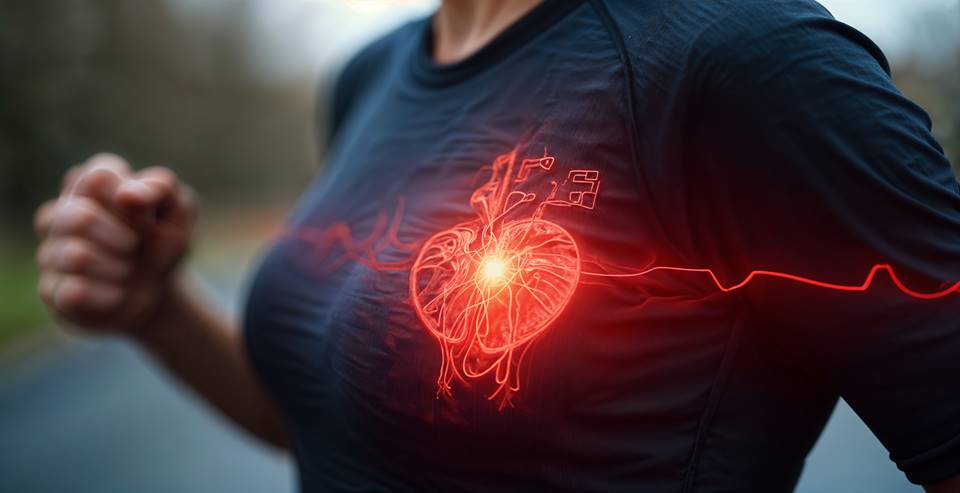
What is Heart Disease?
Heart disease remains the leading cause of death worldwide, accounting for nearly 18 million deaths annually according to the World Health Organization (WHO). Despite remarkable advances in medical care, cardiovascular diseases (CVDs) continue to rise due to aging populations, sedentary lifestyles, unhealthy dietary patterns, obesity, diabetes, and other modifiable risk factors.
The encouraging news is that many cases of heart disease can be prevented through healthy lifestyle choices and appropriate medical management. Understanding heart health, recognizing risk factors, and adopting evidence-based prevention strategies can significantly reduce the likelihood of developing cardiovascular complications.
Healthy Heart: The Foundation of Long-Term Wellness
Heart health refers to the optimal functioning of the heart and blood vessels, enabling efficient circulation of oxygen and nutrients throughout the body. A healthy cardiovascular system maintains normal blood pressure, supports adequate blood flow, regulates heart rhythm, and minimizes the risk of conditions such as coronary artery disease, heart attack, stroke, and heart failure.
Research from the American Heart Association highlights that maintaining healthy blood pressure, cholesterol, blood glucose levels, body weight, physical activity, sleep quality, and dietary habits substantially lowers cardiovascular risk (Lloyd-Jones et al., 2022).

Why Is Heart Disease Increasing So Rapidly?
Although medical knowledge has expanded considerably, heart disease continues to spread rapidly across both developed and developing countries. Multiple factors contribute to this growing burden.
One of the primary drivers is the increasing prevalence of obesity. Excess body weight is associated with elevated blood pressure, insulin resistance, inflammation, and abnormal lipid profiles, all of which increase cardiovascular risk. A large analysis published in The Lancet demonstrated a strong association between obesity and cardiovascular mortality (GBD Obesity Collaborators, 2024).
Sedentary lifestyles also play a major role. Modern work environments often involve prolonged sitting, reducing physical activity levels and contributing to metabolic dysfunction. Clinical studies consistently show that regular exercise lowers the risk of coronary heart disease and cardiovascular mortality (Lear et al., 2017).
Dietary changes have further accelerated heart disease rates. Increased consumption of ultra-processed foods, sugary beverages, refined carbohydrates, trans fats, and excessive sodium contributes to hypertension, obesity, and dyslipidemia. Conversely, inadequate intake of fruits, vegetables, whole grains, legumes, nuts, and fish deprives the body of protective nutrients.
The global rise in type 2 diabetes is another significant contributor. Diabetes damages blood vessels and substantially increases the risk of heart attack and stroke. Research indicates that adults with diabetes have approximately two to four times higher cardiovascular risk compared with those without diabetes (Emerging Risk Factors Collaboration, 2015).
Chronic stress, poor sleep quality, tobacco use, excessive alcohol consumption, and environmental pollution further contribute to cardiovascular disease development.
Proven Strategies to Prevent Heart Disease Naturally
While some risk factors such as age and genetics cannot be modified, many of the most important cardiovascular risk factors are preventable.
A heart-healthy diet remains one of the most effective interventions. Clinical evidence strongly supports dietary patterns such as the Mediterranean diet, which emphasizes fruits, vegetables, legumes, whole grains, nuts, olive oil, and fish. The landmark PREDIMED trial demonstrated that a Mediterranean diet supplemented with extra-virgin olive oil or nuts significantly reduced major cardiovascular events among high-risk individuals (Estruch et al., 2018).
Regular physical activity is equally important. The World Health Organization recommends at least 150 minutes of moderate-intensity aerobic activity per week. Exercise improves blood pressure, cholesterol levels, insulin sensitivity, endothelial function, and body composition. A large multinational study found that higher physical activity levels were associated with significantly lower cardiovascular mortality (Lear et al., 2017).
Maintaining a healthy body weight helps reduce stress on the cardiovascular system. Even modest weight loss of 5-10% can improve blood pressure, cholesterol, and glucose control.
Smoking cessation provides some of the most immediate cardiovascular benefits. Research has consistently shown that quitting smoking reduces the risk of heart attack and stroke, with benefits beginning within months of cessation (Banks et al., 2019).
Blood pressure management is another critical preventive strategy. Hypertension is often called the “silent killer” because it may remain asymptomatic for years while damaging arteries and the heart. Clinical trials have demonstrated that effective blood pressure control significantly reduces cardiovascular events (SPRINT Research Group, 2015).
Managing cholesterol levels is equally important. Elevated low-density lipoprotein (LDL) cholesterol contributes to atherosclerosis, the process underlying most heart attacks and strokes. Evidence from multiple clinical trials confirms that lowering LDL cholesterol reduces cardiovascular risk (Baigent et al., 2010).
Adequate sleep and stress management should not be overlooked. Poor sleep quality and chronic psychological stress have been linked to hypertension, inflammation, obesity, and cardiovascular disease.

Can Supplements Be a Good Choice for Managing Heart Health?
Diet and lifestyle remain the foundation of cardiovascular prevention. However, certain supplements may provide additional support when used appropriately and under professional guidance.
1. Omega-3 Fatty Acids
Omega-3 fatty acids are among the most extensively studied nutrients for cardiovascular health. They may help reduce triglyceride levels, support vascular function, and modulate inflammation. The REDUCE-IT trial demonstrated that high-dose purified eicosapentaenoic acid (EPA) significantly reduced major cardiovascular events in high-risk patients with elevated triglycerides (Bhatt et al., 2019).

2. Coenzyme Q10 (CoQ10)
CoQ10 is involved in cellular energy production and possesses antioxidant properties. Some studies suggest that CoQ10 supplementation may support heart function and improve symptoms in individuals with heart failure (Mortensen et al., 2014). However, evidence for primary prevention remains limited.
3. Magnesium
Magnesium plays a crucial role in blood pressure regulation, muscle contraction, and heart rhythm maintenance. Meta-analyses suggest that magnesium supplementation may contribute to modest reductions in blood pressure, particularly among individuals with deficiency or hypertension (Zhang et al., 2016).
4. Plant Sterols and Stanols
Plant sterols and stanols can help lower LDL cholesterol by reducing cholesterol absorption in the intestine. Clinical studies indicate that regular intake may reduce LDL cholesterol by approximately 7–12% (Ras et al., 2014).
Important Considerations
Supplements should not be viewed as replacements for medications or healthy lifestyle habits. The effectiveness of supplements varies depending on individual health status, dosage, formulation, and overall cardiovascular risk profile. Individuals taking medications should consult healthcare professionals before initiating supplementation to avoid potential interactions.
When Should You Seek Medical Attention?
Early recognition of cardiovascular symptoms can be lifesaving. Individuals should seek medical evaluation if they experience:
- Chest pain, pressure, or tightness
- Shortness of breath during activity or at rest
- Irregular heartbeat or palpitations
- Dizziness or fainting episodes
- Swelling in the legs, ankles, or feet
- Persistent fatigue without clear cause
- Uncontrolled high blood pressure
- Sudden weakness, numbness, or difficulty speaking
Emergency medical attention is required for symptoms suggestive of a heart attack, including severe chest pain, pain radiating to the arm, neck, jaw, or back, sweating, nausea, or sudden shortness of breath.
Regular cardiovascular screening is particularly important for individuals with diabetes, obesity, hypertension, high cholesterol, smoking history, or a family history of heart disease.
Bottom Line
Heart health is fundamental to overall well-being and longevity. The rapid rise of cardiovascular disease is largely driven by modifiable factors such as poor diet, physical inactivity, obesity, diabetes, smoking, and chronic stress. Fortunately, substantial scientific evidence demonstrates that healthy lifestyle choices can dramatically reduce cardiovascular risk, including balanced diet rich in whole foods, regular physical activity, healthy weight management, and smoking cessation. Certain supplements, including omega-3 fatty acids, magnesium, CoQ10, and plant sterols, may provide additional cardiovascular support.
References
- Baigent C, Blackwell L, Emberson J, et al. Efficacy and safety of more intensive lowering of LDL cholesterol. Lancet. 2010;376(9753):1670-1681.
- Banks E, Joshy G, Weber MF, et al. Tobacco smoking and risk of cardiovascular disease. BMC Medicine. 2019;17:128.
- Bhatt DL, Steg PG, Miller M, et al. Cardiovascular risk reduction with icosapent ethyl. New England Journal of Medicine. 2019;380(1):11-22.
- Emerging Risk Factors Collaboration. Diabetes mellitus, fasting glucose, and risk of cause-specific death. New England Journal of Medicine. 2015;364(9):829-841.
- Estruch R, Ros E, Salas-Salvadó J, et al. Primary prevention of cardiovascular disease with a Mediterranean diet. New England Journal of Medicine. 2018;378(25):e34.
- Lear SA, Hu W, Rangarajan S, et al. The effect of physical activity on mortality and cardiovascular disease. Lancet. 2017;390(10113):2643-2654.
- Lloyd-Jones DM, Allen NB, Anderson CAM, et al. Life’s Essential 8: Updating and enhancing cardiovascular health. Circulation. 2022;146:e18-e43.
- Mortensen SA, Rosenfeldt F, Kumar A, et al. The effect of coenzyme Q10 on morbidity and mortality in chronic heart failure. JACC Heart Failure. 2014;2(6):641-649.
- Ras RT, Geleijnse JM, Trautwein EA. LDL-cholesterol-lowering effect of plant sterols and stanols. British Journal of Nutrition. 2014;112(2):214-219.
- SPRINT Research Group. A randomized trial of intensive versus standard blood-pressure control. New England Journal of Medicine. 2015;373:2103-2116.
- Zhang X, Li Y, Del Gobbo LC, et al. Effects of magnesium supplementation on blood pressure. Hypertension. 2016;68(2):324-333.
- GBD Obesity Collaborators. Health effects of overweight and obesity worldwide. The Lancet. 2024.