


Lung health is essential for overall well-being, yet it is often overlooked until breathing problems develop. Every cell in the body depends on oxygen supplied through the lungs, making respiratory health a cornerstone of life.
According to the World Health Organization (WHO), chronic respiratory diseases, including chronic obstructive pulmonary disease (COPD), asthma, and lung cancer, are among the leading causes of illness and death worldwide. Environmental pollution, tobacco smoking, occupational exposures, respiratory infections, and unhealthy lifestyles continue to contribute to the growing burden of lung disease. Fortunately, scientific evidence shows that many respiratory conditions can be prevented or their progression slowed through healthy lifestyle choices, environmental protection, and appropriate medical care.
Why Healthy Lungs Matter
Lung health refers to the ability of the respiratory system to efficiently exchange oxygen and carbon dioxide while maintaining healthy airway and lung tissue function. Healthy lungs deliver oxygen to the bloodstream and remove carbon dioxide, supporting energy production, brain function, cardiovascular health, and overall vitality.
The lungs contain millions of tiny air sacs called alveoli, where gas exchange occurs. Healthy airways remain open and free from excessive inflammation, mucus buildup, or structural damage. Factors such as smoking, air pollution, chronic infections, and aging can impair lung function and increase the risk of respiratory disease.
Research has shown that preserving lung function throughout life is associated with lower risks of respiratory disease, cardiovascular complications, disability, and premature mortality (Agustí et al., 2017).
Why Are Lung Diseases Becoming More Common?
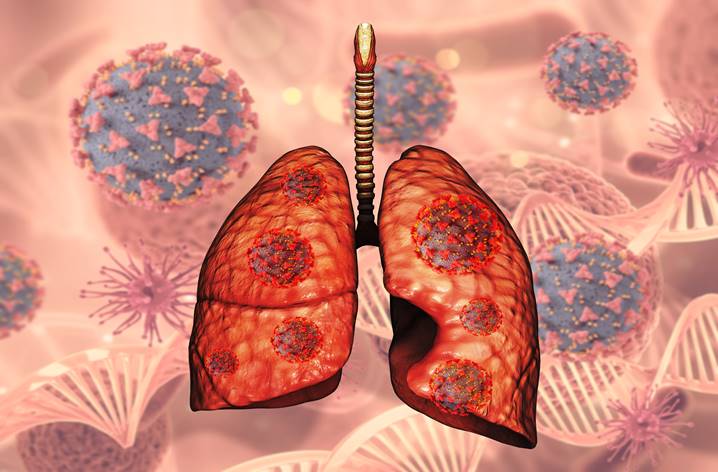
The global burden of respiratory disease continues to rise despite advances in healthcare. Several factors contribute to this trend.
One of the most significant causes remains tobacco smoking. Cigarette smoke contains thousands of chemicals that damage lung tissue, impair airway function, and increase inflammation. Smoking is the leading risk factor for COPD and lung cancer worldwide (GBD Chronic Respiratory Disease Collaborators, 2020).
Air pollution is another major contributor. Exposure to fine particulate matter (PM2.5), vehicle emissions, industrial pollutants, and household smoke has been linked to reduced lung function, respiratory infections, asthma exacerbations, and increased mortality. A large study published in The Lancet Planetary Health found strong associations between long-term air pollution exposure and respiratory disease risk (Burnett et al., 2018).
Respiratory infections also play a significant role. Viral infections such as influenza and COVID-19 can cause acute lung injury and may contribute to long-term respiratory complications in some individuals.
Occupational exposure to dust, chemicals, asbestos, silica, and industrial fumes further increases the risk of chronic respiratory diseases. Workers in mining, construction, agriculture, and manufacturing industries may be particularly vulnerable.
The increasing prevalence of obesity has also been associated with impaired respiratory function. Excess body weight can restrict lung expansion, reduce breathing efficiency, and increase the risk of sleep apnea and asthma (Peters et al., 2018).
Additionally, aging populations worldwide are contributing to higher rates of chronic respiratory diseases because lung function naturally declines with age.
Proven Strategies to Protect Lung Health Naturally
Although some risk factors cannot be controlled, many evidence-based strategies can help maintain healthy lungs and reduce respiratory disease risk.
Avoiding smoking is the single most effective step for preserving lung health. Research consistently shows that smoking cessation reduces the risk of COPD, lung cancer, cardiovascular disease, and premature death. Former smokers experience measurable improvements in lung function and respiratory symptoms after quitting (Jha et al., 2013).
Reducing exposure to air pollution can also provide significant benefits. Using air purifiers, avoiding heavy traffic pollution when possible, improving indoor ventilation, and wearing protective equipment in hazardous environments may help reduce respiratory exposure.
Regular physical activity supports respiratory fitness and overall lung function. Exercise strengthens respiratory muscles, improves oxygen utilization, and enhances cardiovascular performance. Clinical studies demonstrate that physically active individuals often maintain better lung function and lower respiratory disease risk than sedentary individuals (Garcia-Aymerich et al., 2007).
Nutrition also plays an important role in respiratory health. Diets rich in fruits, vegetables, legumes, nuts, and whole grains provide antioxidants and anti-inflammatory compounds that may help protect lung tissue from oxidative stress. Higher intake of antioxidant-rich foods has been associated with better lung function and lower COPD risk (Hanson et al., 2016).
Maintaining a healthy body weight is equally important. Weight management can improve breathing mechanics, reduce airway inflammation, and support overall respiratory function.
Vaccination is another important preventive measure. Annual influenza vaccination and recommended pneumococcal vaccines can reduce the risk of severe respiratory infections, particularly among older adults and individuals with chronic health conditions.
Practicing good respiratory hygiene, including handwashing and avoiding exposure to infectious illnesses, can further reduce the risk of respiratory infections.
Can Supplements Support Lung Health?
Lifestyle measures remain the foundation of respiratory wellness. However, certain nutritional supplements have shown potential benefits for supporting lung health, particularly in individuals with deficiencies or specific respiratory conditions.
1. Omega-3 Fatty Acids
Omega-3 fatty acids possess anti-inflammatory properties that may benefit respiratory health. Some clinical studies suggest that omega-3 supplementation may help modulate airway inflammation and support lung function, although evidence remains mixed and additional research is needed (Miyata & Arita, 2015).
1. Vitamin D
Vitamin D plays an important role in immune regulation and respiratory health. Deficiency has been associated with increased susceptibility to respiratory infections and poorer asthma control. A large meta-analysis found that vitamin D supplementation reduced the risk of acute respiratory infections, particularly among individuals with low baseline vitamin D levels (Martineau et al., 2017).
2. N-Acetylcysteine (NAC)
NAC acts as a precursor to glutathione, one of the body’s major antioxidants. Clinical studies suggest that NAC may help reduce mucus viscosity and support respiratory function in individuals with chronic bronchitis and COPD (Cazzola et al., 2017).
4. Magnesium
Magnesium contributes to muscle function, including airway smooth muscle regulation. Some evidence suggests that adequate magnesium status may support respiratory health and airway function, particularly in asthma management (Kazaks et al., 2010).

5. Antioxidant Nutrients
Vitamins C and E, along with plant-derived antioxidants, may help protect lung tissue from oxidative stress caused by pollution, smoking, and chronic inflammation. However, supplementation should not replace a nutrient-rich diet.
Important Considerations
Supplements should be viewed as supportive measures rather than cures for respiratory diseases. The effectiveness of supplements varies among individuals, and excessive supplementation may pose risks. Consulting a healthcare professional before starting supplements is particularly important for individuals with chronic respiratory conditions or those taking prescription medications.
When Should You Seek Medical Attention?
Early recognition of respiratory symptoms can improve outcomes and prevent complications. Medical evaluation is recommended if you experience:
- Persistent cough lasting more than three weeks
- Shortness of breath during routine activities
- Wheezing or noisy breathing
- Chest tightness or chest pain
- Frequent respiratory infections
- Chronic mucus production
- Coughing up blood
- Unexplained weight loss
- Persistent fatigue associated with breathing difficulties
Immediate medical attention should be sought for severe shortness of breath, sudden chest pain, bluish discoloration of the lips or fingers, or signs of respiratory distress.
Individuals with a history of smoking, occupational exposures, asthma, COPD, or family history of lung disease should undergo regular medical assessments to monitor respiratory health.
Bottom Line
Healthy lungs are essential for delivering oxygen throughout the body and maintaining overall vitality. The increasing prevalence of respiratory diseases is driven by factors such as smoking, air pollution, respiratory infections, occupational hazards, obesity, and aging.
Avoiding tobacco, minimizing exposure to pollutants, staying physically active, maintaining a healthy weight, consuming a nutrient-rich diet, and receiving recommended vaccinations are among the most effective ways to protect lung health. Certain supplements, including vitamin D, omega-3 fatty acids, N-acetylcysteine, and magnesium, may be good a choice to make healthy lungs.
References
- Agustí A, Faner R, Donaldson G, et al. Chronic airway diseases and lung function trajectories. Lancet Respiratory Medicine. 2017;5(5):388–396.
- Burnett R, Chen H, Szyszkowicz M, et al. Global estimates of mortality associated with long-term exposure to outdoor fine particulate matter. Lancet Planetary Health. 2018;2(3):e108–e120.
- Cazzola M, Calzetta L, Page C, et al. Influence of N-acetylcysteine on chronic bronchitis and COPD. European Respiratory Review. 2017;26(146):170043.
- Garcia-Aymerich J, Lange P, Benet M, et al. Regular physical activity modifies smoking-related lung function decline. American Journal of Respiratory and Critical Care Medicine. 2007;175(5):458–463.
- GBD Chronic Respiratory Disease Collaborators. Prevalence and burden of chronic respiratory diseases. Lancet Respiratory Medicine. 2020;8(6):585–596.
- Hanson C, Rutten EP, Wouters EF, Rennard S. Diet and vitamin status in chronic obstructive pulmonary disease. Nutrition Reviews. 2016;74(12):805–820.
- Jha P, Ramasundarahettige C, Landsman V, et al. 21st-century hazards of smoking and benefits of cessation. New England Journal of Medicine. 2013;368(4):341–350.
- Kazaks AG, Uriu-Adams JY, Albertson TE, Shenoy SF, Stern JS. Effect of magnesium supplementation on respiratory health. Magnesium Research. 2010;23(1):27–40.
- Martineau AR, Jolliffe DA, Hooper RL, et al. Vitamin D supplementation to prevent acute respiratory tract infections: Systematic review and meta-analysis. BMJ. 2017;356:i6583.
- Miyata J, Arita M. Role of omega-3 fatty acids in inflammatory lung diseases. Allergology International. 2015;64(1):27–34.
- Peters U, Dixon AE, Forno E. Obesity and asthma. Journal of Allergy and Clinical Immunology. 2018;141(4):1169–1179.