


What is Vitamin D?
Vitamin D is a fat-soluble vitamin that plays a crucial role in maintaining bone health, muscle function, immune regulation, and overall well-being. Unlike most vitamins, vitamin D functions like a hormone and is synthesized in the skin when exposed to sunlight. It also comes from dietary sources such as fatty fish, egg yolks, fortified milk, and supplements.
Vitamin D helps the body absorb calcium and phosphorus, which are essential for building and maintaining strong bones. Clinical studies indicate that vitamin D deficiency affects a significant proportion of adults over 60 years of age and is associated with increased risks of osteoporosis, falls, fractures, muscle weakness, and impaired immune function (Holick, 2007; Pilz et al., 2019).
Symptoms of Vitamin D Deficiency
Vitamin D deficiency often develops gradually, and many elderly individuals may not recognize the symptoms until complications arise. The signs can range from mild fatigue to severe musculoskeletal disorders.
One of the most common symptoms is persistent muscle weakness. Older adults with low vitamin D levels often experience difficulty climbing stairs, rising from a chair, or maintaining balance. This muscle weakness significantly increases the risk of falls and related injuries (Bischoff-Ferrari et al., 2004).
Bone pain and joint discomfort are also frequent manifestations. Since vitamin D is essential for calcium metabolism, deficiency can result in bone demineralization, causing chronic aches in the lower back, hips, pelvis, and legs.
Fatigue and reduced energy levels are commonly reported among vitamin D-deficient individuals. Research has suggested a link between low vitamin D status and physical frailty in older adults (Cruz-Jentoft et al., 2019).
Mood changes, depression, and cognitive decline have also been associated with insufficient vitamin D levels. Several observational studies have demonstrated correlations between vitamin D deficiency and increased risks of depressive symptoms and impaired cognitive function in aging populations (Anglin et al., 2013).
Frequent infections may be another warning sign. Vitamin D contributes to immune system regulation and helps the body defend against respiratory infections. Elderly individuals with deficiency may experience recurrent colds, influenza, or respiratory illnesses (Martineau et al., 2017).
Severe and prolonged deficiency can lead to osteomalacia, a condition characterized by softening of bones, resulting in pain, tenderness, and an increased likelihood of fractures.
How to Manage Vitamin D Deficiency
Effective management of vitamin D deficiency requires a combination of lifestyle modifications, dietary strategies, and, when necessary, supplementation.
Sunlight exposure remains one of the most natural ways to improve vitamin D status. Moderate exposure of the face, arms, and legs to sunlight for approximately 15-30 minutes several times per week can support vitamin D synthesis. However, factors such as age, skin pigmentation, air pollution, sunscreen use, and seasonal changes can significantly affect production.
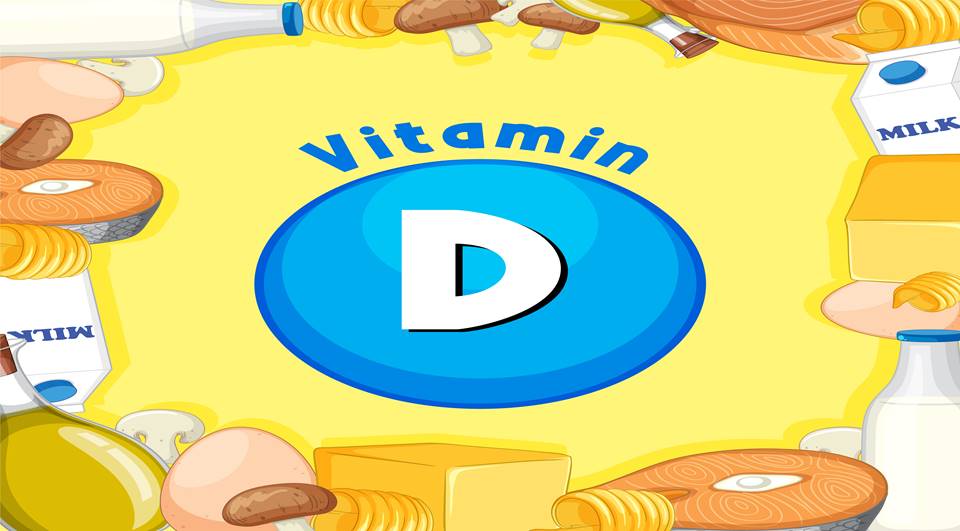
Dietary intake should also be optimized. Foods rich in vitamin D include salmon, sardines, mackerel, tuna, egg yolks, mushrooms exposed to ultraviolet light, and fortified dairy products. Although food sources contribute to overall intake, they often provide insufficient amounts to correct significant deficiencies.
Maintaining adequate calcium intake is equally important because vitamin D and calcium work synergistically to preserve bone health. Dairy products, leafy greens, fortified foods, and calcium supplements may be recommended when dietary intake is inadequate.
Regular physical activity can further improve musculoskeletal health. Weight-bearing exercises, walking, resistance training, and balance exercises help maintain bone density and reduce the risk of falls among older adults.
Healthcare providers may also recommend laboratory testing to assess serum 25-hydroxyvitamin D [25(OH)D], the most reliable indicator of vitamin D status. Treatment strategies are often tailored according to the severity of deficiency and individual health conditions.

Is Vitamin D Supplement the Only Solution?
No. While vitamin D supplements are highly effective and often necessary, they should not be viewed as the sole solution.
Supplements can rapidly restore vitamin D levels and are particularly beneficial for elderly individuals with limited sun exposure, malabsorption disorders, osteoporosis, or chronic illnesses. Clinical guidelines frequently recommend vitamin D supplementation for older adults at risk of deficiency (Endocrine Society, 2011).
However, supplementation works best when combined with a comprehensive lifestyle approach. Adequate nutrition, physical activity, healthy body weight, and sensible sun exposure all contribute to maintaining optimal vitamin D levels.
Large-scale clinical evidence suggests that vitamin D supplementation can reduce the risk of falls and fractures in vitamin D-deficient elderly individuals when used appropriately, especially alongside calcium supplementation (Bischoff-Ferrari et al., 2009).

Vitamin D Associated Disease
Vitamin D deficiency can contribute to several health disorders in adults.
Osteoporosis is among the most significant consequences. Insufficient vitamin D reduces calcium absorption, leading to lower bone mineral density and increased fracture risk. Hip fractures, in particular, are associated with substantial morbidity and mortality among older adults.
Osteomalacia is another vitamin D-related disease characterized by inadequate bone mineralization. Adults with osteomalacia may experience diffuse bone pain, muscle weakness, and difficulty walking.
Emerging research has also linked low vitamin D levels with cardiovascular disease, diabetes, immune dysfunction, and certain autoimmune conditions. While these associations are biologically plausible, further research is needed to establish direct causal relationships (Pilz et al., 2019).
The burden of vitamin D deficiency extends beyond skeletal health and may significantly affect quality of life, mobility, independence, and healthy aging.
When to Seek a Doctor
Older adults should consult a healthcare professional if they experience persistent fatigue, muscle weakness, bone pain, balance problems, or recurrent falls.
Medical evaluation is particularly important for individuals who:
- Are over 65 years of age
- Have osteoporosis or previous fractures
- Spend little time outdoors
- Have digestive disorders affecting nutrient absorption
- Have chronic kidney or liver disease
- Take medications that affect vitamin D metabolism
- Experience frequent infections or unexplained weakness
A physician may recommend blood testing to determine vitamin D status and develop an individualized treatment plan. Self-prescribing high-dose vitamin D supplements without medical supervision is not advisable, as excessive intake can cause vitamin D toxicity, leading to elevated calcium levels and potential kidney complications.
Bottom Line
Vitamin D deficiency is a widespread yet often overlooked health concern among older adults. Reduced sun exposure, aging-related physiological changes, and inadequate dietary intake contribute to a higher risk of deficiency. Common symptoms include muscle weakness, fatigue, bone pain, frequent infections, and increased susceptibility to falls and fractures.
Managing vitamin D deficiency involves a combination of sunlight exposure, nutrient-rich foods, regular exercise, and appropriate supplementation when required. While vitamin D supplements play a critical role in treatment in case of vitamin D deficiency.
References
- Holick MF. Vitamin D Deficiency. New England Journal of Medicine. 2007;357(3):266–281.
- Pilz S, Zittermann A, Trummer C, et al. Vitamin D Testing and Treatment: A Narrative Review of Current Evidence. Endocrine Connections. 2019;8(2).
- Bischoff-Ferrari HA, Dawson-Hughes B, Willett WC, et al. Effect of Vitamin D on Falls: A Meta-analysis. JAMA. 2004;291(16):1999-2006.
- Bischoff-Ferrari HA, Willett WC, Wong JB, et al. Prevention of Nonvertebral Fractures with Oral Vitamin D. Archives of Internal Medicine. 2009;169(6):551-561.
- Anglin RE, Samaan Z, Walter SD, McDonald SD. Vitamin D Deficiency and Depression in Adults: Systematic Review and Meta-analysis. British Journal of Psychiatry. 2013;202(2):100-107.
- Martineau AR, Jolliffe DA, Hooper RL, et al. Vitamin D Supplementation to Prevent Acute Respiratory Tract Infections. BMJ. 2017;356.
- Cruz-Jentoft AJ, Bahat G, Bauer J, et al. Sarcopenia: Revised European Consensus on Definition and Diagnosis. Age and Ageing. 2019;48(1):16-31.
- Holick MF, Binkley NC, Bischoff-Ferrari HA, et al. Evaluation, Treatment, and Prevention of Vitamin D Deficiency: Endocrine Society Clinical Practice Guideline. Journal of Clinical Endocrinology & Metabolism. 2011;96(7):1911-1930.