

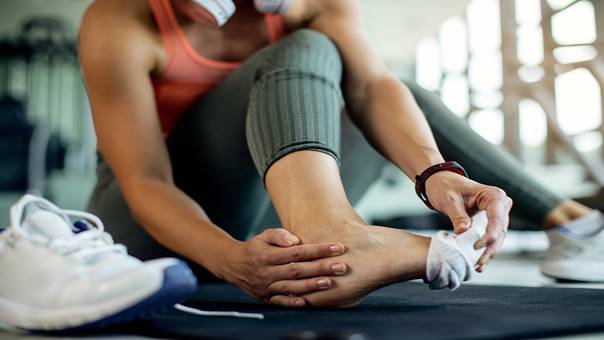
Many people notice that their rings feel tighter in the evening or that their ankles appear puffy after a long day.
Mild swelling of the fingers and ankles, often referred to as peripheral edema, is a common condition that occurs when excess fluid accumulates in the body’s tissues. In many cases, this swelling is temporary and related to lifestyle factors, environmental conditions, or prolonged periods of inactivity. However, persistent or severe swelling may signal an underlying medical condition that requires professional evaluation.
What Causes Fingers and Ankles to Swell by the End of the Day?
Swelling develops when fluid leaks from blood vessels into surrounding tissues faster than the lymphatic and circulatory systems can remove it. Several factors contribute to this process.
1. Physical Inactivity and Poor Circulation
One of the most common causes of end-of-day swelling is physical inactivity. The calf muscles and leg muscles act as a “second heart,” helping pump blood and fluid back toward the heart. When a person spends extended periods sitting at a desk, traveling, or standing in one position, this muscle pump becomes less effective.
As circulation slows, blood and fluid can accumulate in the lower extremities, leading to ankle swelling. Reduced movement can also contribute to weakened venous valve function over time, making it more difficult for blood to flow upward against gravity.
Research published in the Journal of Applied Physiology has shown that prolonged sitting reduces lower limb blood flow and increases fluid accumulation in the legs, particularly among sedentary individuals (Thosar et al., 2015).
2. Gravity and Posture
Gravity plays a significant role in fluid distribution throughout the body. During the day, fluids naturally move downward, especially when a person remains seated or standing for long periods.
When blood pools in the veins of the legs, pressure within the vessels increases. This increased pressure encourages fluid to leak into nearby tissues, resulting in swollen ankles and feet. Similarly, prolonged use of the hands, especially during repetitive activities, can contribute to finger swelling.
According to the American Heart Association, prolonged immobility is a recognized contributor to dependent edema, a type of swelling that occurs in body parts affected by gravity.

3. Excess Sodium Intake
Dietary habits significantly influence fluid balance. Consuming large amounts of sodium causes the body to retain water in an effort to maintain electrolyte balance.
Processed foods, fast foods, packaged snacks, canned soups, and restaurant meals are among the leading sources of excessive sodium intake. When sodium levels rise, the kidneys hold onto more water, increasing fluid volume and contributing to swelling in the hands, feet, and ankles.
The World Health Organization (WHO) recommends limiting sodium intake to less than 2 grams per day (approximately 5 grams of salt) to reduce fluid retention and support cardiovascular health.
4. Heat and Warm Weather
Many people notice increased swelling during summer months. Warm temperatures cause blood vessels to dilate, a process known as vasodilation. While this helps the body regulate temperature, it can also increase fluid leakage from blood vessels into surrounding tissues.
The body’s ability to return this fluid to circulation may become temporarily overwhelmed, resulting in mild swelling, especially in the ankles and feet.
Research published in Temperature suggests that environmental heat significantly affects vascular function and fluid distribution, increasing the likelihood of peripheral edema during hot weather (Kenney et al., 2014).
Other Potential Causes of Swelling
Although lifestyle-related swelling is common, several medical conditions can also cause edema.
These include:
- Chronic venous insufficiency
- Heart failure
- Kidney disease
- Liver disease
- Lymphedema
- Thyroid disorders
- Pregnancy
- Certain medications such as calcium channel blockers, corticosteroids, and NSAIDs
If swelling is persistent, worsening, or accompanied by other symptoms, medical evaluation is important.
How to Relieve and Prevent Swelling
Stay Hydrated
It may seem counterintuitive, but dehydration can encourage the body to retain fluids. Adequate hydration helps the kidneys regulate fluid balance and remove excess sodium.
Most healthy adults should consume sufficient fluids throughout the day, with requirements varying based on age, activity level, and climate.
A review in Nutrients highlights the importance of hydration in maintaining cardiovascular and renal function, both of which influence fluid balance (Popkin et al., 2010).
Get Moving Regularly
Regular movement is one of the most effective ways to reduce swelling. Walking, stretching, calf raises, and light exercise stimulate muscle contractions that help push blood and fluid back toward the heart.
Simple strategies include:
- Standing every 30-60 minutes
- Taking short walking breaks
- Performing ankle circles
- Stretching the calves and legs
- Using a standing desk intermittently
The Centers for Disease Control and Prevention (CDC) recommends regular physical activity to improve circulation and overall cardiovascular health.
Elevate Your Extremities
Elevating swollen hands, feet, or legs above heart level can help reduce fluid accumulation by assisting venous and lymphatic drainage.
For ankle swelling, lying down with the legs elevated on pillows for 15-30 minutes can provide noticeable relief.
Compression stockings may also help some individuals by supporting vein function and reducing fluid pooling.
Reduce Sodium Intake
Limiting processed foods and choosing fresh fruits, vegetables, lean proteins, and whole grains can significantly reduce sodium consumption.
Foods rich in potassium, such as bananas, spinach, sweet potatoes, and avocados, may help balance sodium levels and support healthy fluid regulation.
Clinical guidelines from the American College of Cardiology recommend sodium reduction as part of comprehensive cardiovascular health management.
Maintain a Healthy Weight
Excess body weight places additional pressure on veins and lymphatic vessels, increasing the likelihood of swelling.
Studies indicate that weight management improves circulation, reduces venous pressure, and lowers the risk of chronic edema and vascular disease.
Avoid Prolonged Sitting or Standing
If your work requires sitting or standing for extended periods, make a conscious effort to change positions frequently.
During long flights or road trips:
- Walk periodically
- Stretch your legs
- Flex and extend your ankles
- Stay hydrated
- Avoid excessive alcohol intake
These measures can improve circulation and reduce swelling.
When to See a Doctor
While occasional mild swelling is usually harmless, certain symptoms warrant prompt medical attention.
Consult a healthcare professional if swelling:
- Occurs suddenly
- Affects only one leg
- Is accompanied by pain, redness, or warmth
- Causes shortness of breath
- Is associated with chest pain
- Persists despite lifestyle changes
- Becomes progressively worse
These symptoms may indicate serious conditions such as deep vein thrombosis, heart failure, kidney disease, or liver disorders.
Bottom Line
Swollen fingers and ankles at the end of the day are often caused by physical inactivity, prolonged sitting or standing, excess sodium intake, gravity, and warm temperatures. These factors promote fluid accumulation in the body’s tissues, leading to temporary swelling known as peripheral edema.
Fortunately, most cases can be improved through simple lifestyle measures such as staying hydrated, exercising regularly, reducing sodium intake, elevating the affected limbs, and avoiding prolonged periods of inactivity.
References
- Holick MF. Vitamin D Deficiency. New England Journal of Medicine. 2007;357(3):266–281.
- Pilz S, Zittermann A, Trummer C, et al. Vitamin D Testing and Treatment: A Narrative Review of Current Evidence. Endocrine Connections. 2019;8(2).
- Bischoff-Ferrari HA, Dawson-Hughes B, Willett WC, et al. Effect of Vitamin D on Falls: A Meta-analysis. JAMA. 2004;291(16):1999-2006.
- Bischoff-Ferrari HA, Willett WC, Wong JB, et al. Prevention of Nonvertebral Fractures with Oral Vitamin D. Archives of Internal Medicine. 2009;169(6):551-561.
- Anglin RE, Samaan Z, Walter SD, McDonald SD. Vitamin D Deficiency and Depression in Adults: Systematic Review and Meta-analysis. British Journal of Psychiatry. 2013;202(2):100-107.
- Martineau AR, Jolliffe DA, Hooper RL, et al. Vitamin D Supplementation to Prevent Acute Respiratory Tract Infections. BMJ. 2017;356.
- Cruz-Jentoft AJ, Bahat G, Bauer J, et al. Sarcopenia: Revised European Consensus on Definition and Diagnosis. Age and Ageing. 2019;48(1):16-31.
- Holick MF, Binkley NC, Bischoff-Ferrari HA, et al. Evaluation, Treatment, and Prevention of Vitamin D Deficiency: Endocrine Society Clinical Practice Guideline. Journal of Clinical Endocrinology & Metabolism. 2011;96(7):1911-1930.