


What Are NSAIDs?
NSAIDs (Nonsteroidal anti-inflammatory drugs) are among the most widely used medications around the globe. NSAIDs, or nonsteroidal anti-inflammatory drugs, are a class of medications that reduce pain, inflammation, and fever by inhibiting enzymes known as cyclooxygenases (COX enzymes). These enzymes are responsible for producing prostaglandins, hormone-like substances involved in inflammation, pain signaling, and fever regulation.
In case of inappropriate or prolonged use can lead to serious health complications, including gastrointestinal bleeding, kidney injury, and cardiovascular events. Understanding both the benefits and limitations of NSAIDs is essential for making informed healthcare decisions.
Common NSAIDs include:
- Ibuprofen
- Naproxen
- Diclofenac
- Ketoprofen
- Indomethacin
- Meloxicam
- Celecoxib
- Aspirin (when used for pain and inflammation)
According to research by Vane and Botting published in the American Journal of Medicine, NSAIDs exert their therapeutic effects primarily through inhibition of cyclooxygenase enzymes, thereby reducing prostaglandin synthesis.
There are two major forms of cyclooxygenase:
- COX-1, which helps protect the stomach lining, supports kidney function, and assists blood clotting.
- COX-2, which is primarily involved in inflammation and pain.
Traditional NSAIDs inhibit both COX-1 and COX-2, while newer selective NSAIDs such as celecoxib primarily target COX-2, aiming to reduce gastrointestinal side effects.

Why NSAIDs Matter
NSAIDs are important because they provide effective symptom relief for a wide range of acute and chronic conditions. The World Health Organization (WHO) recognizes pain management as a fundamental component of healthcare, and NSAIDs remain a cornerstone of treatment for many inflammatory and musculoskeletal disorders.
Inflammation is a natural immune response that helps the body heal after injury or infection. However, excessive or chronic inflammation can contribute to pain, swelling, stiffness, and reduced mobility. By suppressing inflammatory pathways, NSAIDs can significantly improve comfort and physical function.
Studies published in The Lancet and British Medical Journal (BMJ) have demonstrated that NSAIDs effectively reduce pain associated with osteoarthritis, rheumatoid arthritis, back pain, dental procedures, sports injuries, and menstrual cramps.
Their widespread use is also driven by accessibility. Many NSAIDs are available without a prescription, making them a convenient option for short-term symptom relief. However, accessibility should not be mistaken for complete safety, particularly when these medications are used frequently or for extended periods.
Advantages of NSAIDs
NSAIDs offer several clinically proven benefits that make them valuable therapeutic agents.
Effective Pain Relief
One of the primary advantages of NSAIDs is their ability to relieve mild to moderate pain. Numerous randomized clinical trials have shown that NSAIDs effectively reduce pain associated with headaches, muscle strains, arthritis, post-operative recovery, and dental procedures.
According to a review by Moore et al. published in the Cochrane Database of Systematic Reviews, NSAIDs consistently provide meaningful pain relief for acute pain conditions.

Reduction of Inflammation
Unlike acetaminophen (paracetamol), NSAIDs directly target inflammation. This makes them particularly useful for inflammatory conditions such as rheumatoid arthritis, bursitis, tendinitis, and gout.
Reducing inflammation can help decrease swelling, improve joint mobility, and enhance overall physical function.
Fever Reduction
NSAIDs also possess antipyretic properties, meaning they can lower elevated body temperature during fever. They achieve this by reducing prostaglandin activity in the hypothalamus, the body’s temperature-regulating center.
Improved Quality of Life
For individuals living with chronic pain conditions, NSAIDs can substantially improve daily functioning and quality of life. Research published in Arthritis Research & Therapy has demonstrated improvements in mobility, physical activity, and symptom management among patients receiving appropriate NSAID therapy.
Multiple Formulations Available
NSAIDs are available in several forms, including:
- Tablets and capsules
- Topical gels and creams
- Oral suspensions
- Suppositories
- Injectable formulations
This flexibility allows healthcare providers to tailor treatment according to individual needs and medical conditions.
Potential Cardiovascular Benefits of Aspirin
Although aspirin belongs to the NSAID class, it possesses unique antiplatelet properties. Low-dose aspirin is widely used for preventing blood clot formation in selected individuals at elevated cardiovascular risk.
The American Heart Association recognizes low-dose aspirin as an important preventive therapy for certain patients under medical supervision.
Major Disadvantages of NSAIDs
Despite their effectiveness, NSAIDs have several important limitations and safety concerns.
Gastrointestinal Complications
One of the most well-documented adverse effects of NSAIDs involves the digestive system. Because prostaglandins help protect the stomach lining, inhibiting their production can increase the risk of:
- Stomach irritation
- Gastritis
- Peptic ulcers
- Gastrointestinal bleeding
Research by Lanas and Chan published in The New England Journal of Medicine identified NSAID-related gastrointestinal complications as a significant cause of medication-related hospitalizations worldwide.
The risk increases with higher doses, prolonged use, older age, and concurrent use of blood-thinning medications.
Kidney Damage
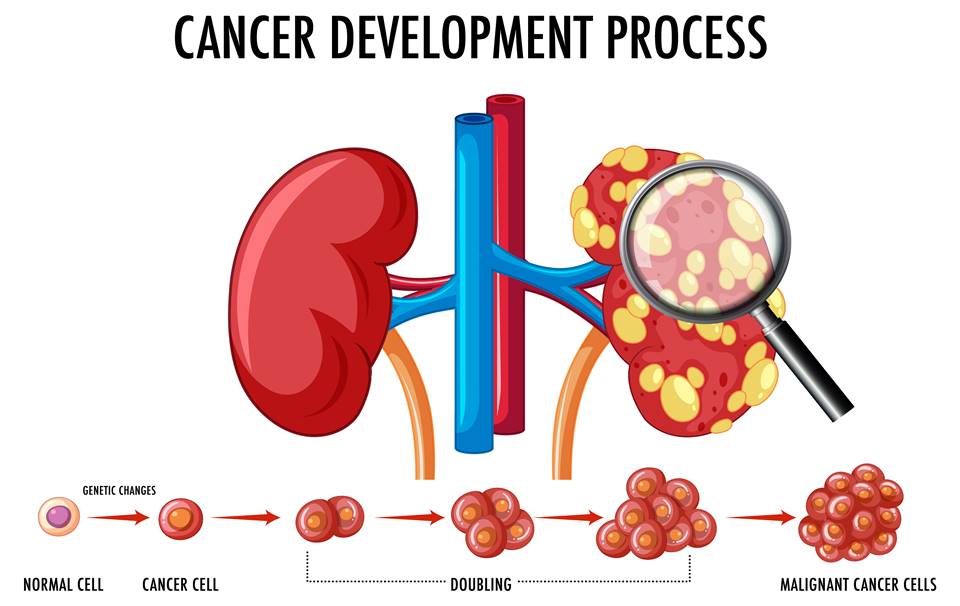
NSAIDs can reduce blood flow to the kidneys by inhibiting prostaglandin production. While healthy individuals generally tolerate short-term use, certain populations are particularly vulnerable.
According to Perazella (Clinical Journal of the American Society of Nephrology, 2018), NSAID-induced kidney injury is a common cause of drug-related acute kidney injury.
The risk is higher among:
- Older adults
- Individuals with chronic kidney disease
- People with diabetes
- Patients with heart failure
- Dehydrated individuals
Long-term or excessive NSAID use may contribute to chronic kidney damage in susceptible individuals.
Increased Cardiovascular Risk
Several large-scale studies have reported an association between certain NSAIDs and an increased risk of cardiovascular events, including heart attack and stroke.
A meta-analysis published by Bally et al. in The BMJ found that some NSAIDs, particularly diclofenac and high-dose ibuprofen, may elevate cardiovascular risk, especially in individuals with pre-existing heart disease.
For this reason, regulatory agencies including the U.S. Food and Drug Administration (FDA) recommend using the lowest effective dose for the shortest duration necessary.
Elevated Blood Pressure
NSAIDs may promote sodium retention and alter kidney function, potentially leading to increased blood pressure. This effect can be particularly problematic in patients with hypertension or cardiovascular disease.
Studies published in Hypertension have demonstrated that chronic NSAID use may interfere with blood pressure control in some individuals.
Allergic Reactions
Although uncommon, NSAIDs can trigger allergic reactions ranging from mild skin rashes to severe anaphylaxis. Some individuals also experience aspirin-sensitive asthma, a condition characterized by respiratory symptoms following NSAID exposure.
Drug Interactions
NSAIDs may interact with numerous medications, including:
- Blood thinners
- Diuretics
- ACE inhibitors
- Angiotensin receptor blockers (ARBs)
- Corticosteroids
These interactions can increase the risk of bleeding, kidney injury, or reduced effectiveness of other treatments.
Safe Use of NSAIDs
Medical experts recommend using NSAIDs responsibly. The National Institute for Health and Care Excellence (NICE) and other professional organizations advise:
- Using the lowest effective dose.
- Limiting duration whenever possible.
- Avoiding multiple NSAIDs simultaneously.
- Staying adequately hydrated.
- Seeking medical advice for long-term use.
- Monitoring kidney function in high-risk individuals.
Patients with chronic kidney disease, heart disease, gastrointestinal ulcers, or uncontrolled hypertension should consult healthcare professionals before taking NSAIDs.
Key Takeaway
NSAIDs are highly effective medications that play an important role in managing pain, inflammation, and fever. Their benefits include reliable pain relief, improved physical function, reduced inflammation, and enhanced quality of life for many individuals. But at the same time it has potential complications include gastrointestinal bleeding, kidney injury, elevated blood pressure, cardiovascular events, allergic reactions, and drug interactions.
For most healthy adults, short-term NSAID use at recommended doses is generally safe.
References
- Vane JR, Botting RM. Mechanism of Action of NSAIDs. American Journal of Medicine.
- Perazella MA. Drug-Induced Acute Kidney Injury. Clinical Journal of the American Society of Nephrology. 2018.
- Lanas A, Chan FKL. Peptic Ulcer Disease and NSAID Use. New England Journal of Medicine.
- Bally M et al. Risk of Acute Myocardial Infarction with NSAIDs. BMJ. 2017.
- Moore RA et al. NSAIDs for Acute Pain. Cochrane Database of Systematic Reviews.
- World Health Organization. Pain Management Resources.
- American Heart Association. Aspirin Therapy Guidance.
- National Institute for Health and Care Excellence (NICE). NSAID Prescribing Recommendations.