
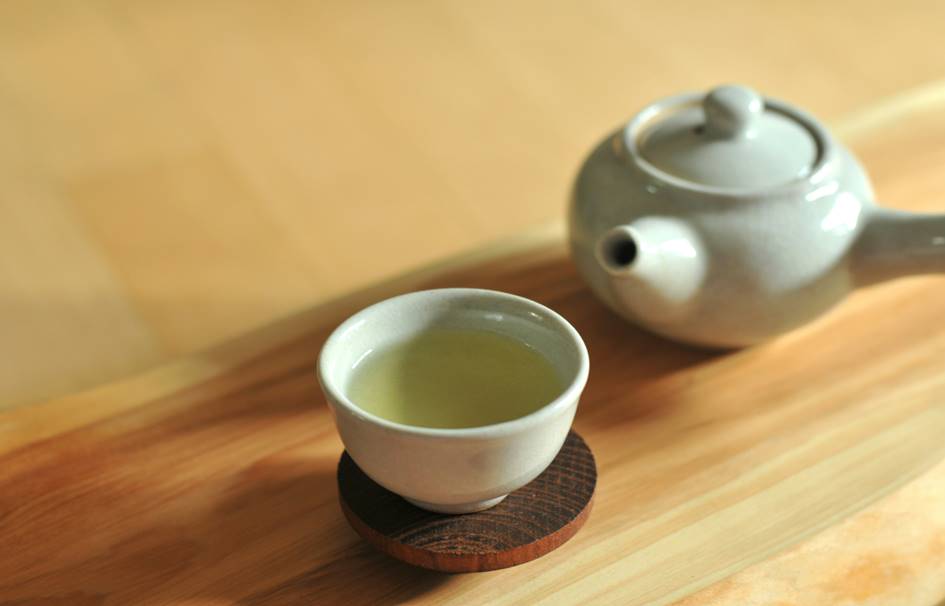
Green Tea (Camellia sinensis) is one of the most extensively used supplements as capsules and tea for weight management around the globe. Green Tea extract contains polyphenols known as catechins, particularly epigallocatechin-3-gallate (EGCG). Green Tea Extract has been tested in numerous randomized controlled trials and systematic reviews. However, scientific evidence strongly suggests the benefits for weight management. Additionally, concerns regarding high-dose supplementation and rare cases of liver injury warrant careful use.
Commercial Green Tea Extract supplements are standardized to contain varying concentrations of catechins and EGCG, often ranging between 200-800 mg per day.
How Does Green Tea Extract Work for Weight Loss?
Green Tea Extract may support weight management through multiple physiological mechanisms.
1. Increases Energy Expenditure
Catechins and naturally occurring caffeine may stimulate thermogenesis by increasing sympathetic nervous system activity, resulting in slightly higher daily energy expenditure.
2. Promotes Fat Oxidation
Clinical studies suggest Green Tea Extract enhances fat oxidation during rest and moderate-intensity exercise, helping the body utilize stored fat as an energy source.
3. Improves Metabolic Efficiency
EGCG inhibits the enzyme catechol-O-methyltransferase (COMT), prolonging the activity of norepinephrine, a hormone involved in fat metabolism.
4. Antioxidant and Anti-inflammatory Effects
The potent antioxidant activity of catechins may reduce oxidative stress and chronic inflammation associated with obesity and metabolic syndrome.
Despite these mechanisms, systematic reviews indicate that the magnitude of weight loss is generally modest, particularly when Green Tea Extract is used without dietary modification and regular exercise.
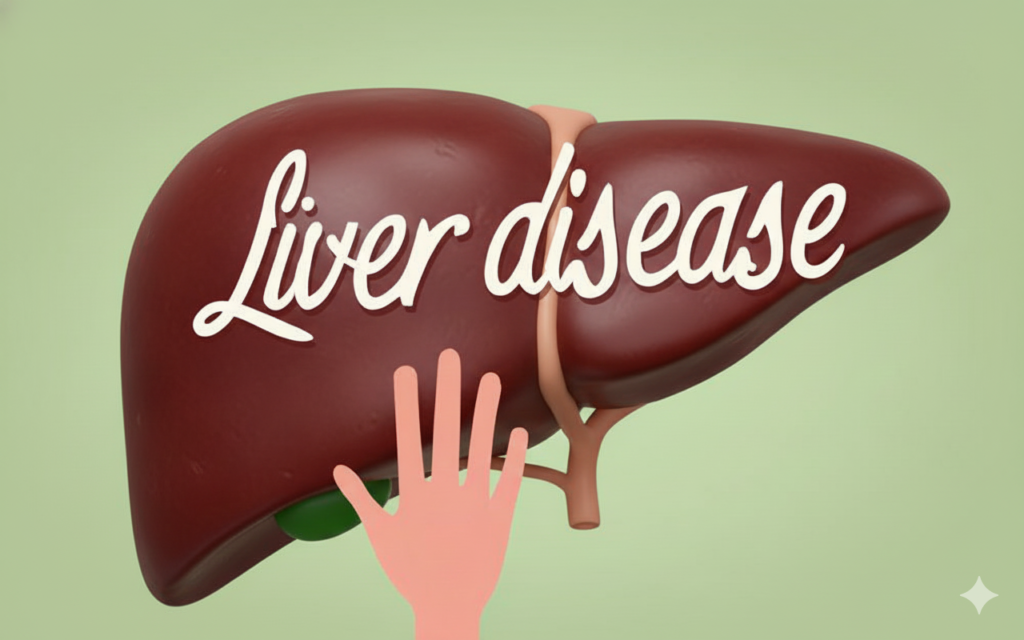
Is Green Tea Extract Good for Liver Detox?
Green Tea Extract is often promoted as a “liver detox” supplement; however, the concept of liver detoxification through supplements is not supported by medical evidence. The liver naturally detoxifies harmful substances through complex enzymatic pathways.
Green tea catechins possess antioxidant and anti-inflammatory properties that may help protect liver cells from oxidative damage. Some clinical studies in individuals with non-alcoholic fatty liver disease (NAFLD) have reported improvements in liver enzyme levels, hepatic fat accumulation, and inflammatory markers following Green Tea Extract supplementation.
However, these findings should not be interpreted as evidence that Green Tea Extract “detoxifies” the liver.
Importantly, high-dose Green Tea Extract supplements have been associated with rare cases of drug-induced liver injury (DILI). The risk appears to be greater with concentrated extracts consumed on an empty stomach or at high EGCG doses (>800 mg/day). Consequently, the European Food Safety Authority (EFSA) concluded that supplemental EGCG intakes of 800 mg/day or higher may increase the risk of liver injury.
Therefore, while moderate Green Tea consumption is generally considered safe, concentrated Green Tea Extract supplements should be used cautiously and according to recommended dosages.

Is Green Tea Extract Good for Diabetic Patients?
Green Tea Extract has shown promising effects on glucose metabolism, although evidence remains mixed.
Several randomized controlled trials suggest that Green Tea catechins may:
- modestly improve insulin sensitivity,
- reduce fasting blood glucose,
- improve HbA1c in some individuals,
- decrease systemic inflammation associated with type 2 diabetes.
Meta-analyses indicate that these benefits are generally small but statistically significant, particularly among overweight individuals and those with metabolic syndrome.
However, Green Tea Extract should not replace prescribed diabetes medications, dietary modification, or lifestyle interventions. Patients taking glucose-lowering medications should consult healthcare professionals before using Green Tea Extract because improved insulin sensitivity could theoretically increase the risk of hypoglycaemia in susceptible individuals.

Is Green Tea Extract Effective for Weight Loss?
Current scientific evidence suggests that Green Tea Extract can contribute to modest weight reduction, especially when combined with calorie restriction and physical activity.
Systematic reviews and meta-analyses have reported:
- small reductions in body weight,
- modest decreases in body fat percentage,
- slight reductions in waist circumference,
- improved fat oxidation.
Although statistically significant, these changes are generally modest and should not be expected to produce dramatic weight loss on their own.
Therefore, Green Tea Extract may serve as an adjunct to a comprehensive weight management program rather than a primary treatment for obesity.
Safety and Possible Side Effects
Green Tea Extract is generally well tolerated when consumed within recommended doses.
Common adverse effects include:
- nausea,
- stomach discomfort,
- constipation,
- headache,
- insomnia (particularly products containing caffeine),
- nervousness,
- palpitations in caffeine-sensitive individuals.
Rare but serious adverse events include:
- elevated liver enzymes,
- acute hepatitis,
- liver injury associated with high-dose EGCG supplementation.
Individuals should discontinue use and seek medical attention if symptoms such as jaundice, persistent abdominal pain, dark urine, or unexplained fatigue occur.
Precautions
Green Tea Extract should be used cautiously in the following situations:
- liver disease or elevated liver enzymes,
- pregnancy and breastfeeding,
- severe caffeine sensitivity,
- cardiovascular disease requiring stimulant restriction,
- concurrent use of anticoagulants (particularly warfarin),
- iron deficiency anaemia, as catechins may reduce iron absorption when taken with meals.
To minimize potential risks:
- avoid taking Green Tea Extract on an empty stomach,
- follow manufacturer-recommended dosages,
- avoid excessive daily EGCG intake (>800 mg/day),
- purchase supplements from reputable manufacturers that comply with quality standards.
Bottom Line
Green Tea Extract (Camellia sinensis) is among the best-studied weight loss supplements around the globe. Clinical evidence suggests that Green Tea Extract may be considered a supportive component of a comprehensive lifestyle-based weight management strategy rather than a substitute for balanced nutrition, regular exercise, and evidence-based medical care.
Written By: Anzer Hussain