


D-mannose is found in small amounts in fruits such as cranberries, apples, oranges, and peaches. In recent years, scientific research has highlighted the therapeutic potential of D-mannose in preventing recurrent urinary tract infections (UTIs), while emerging evidence suggests additional benefits for immune health, gut microbiome balance, and connective tissue function.
Although glucosamine is the more established supplement for bone and joint health, D-mannose also contributes indirectly by supporting glycoprotein synthesis that is essential for healthy connective tissues.

1. Improve Urinary Tract Health
The strongest clinical evidence for D-mannose relates to its ability to prevent recurrent urinary tract infections. Most uncomplicated UTIs are caused by Escherichia coli (E. coli), which attach to the lining of the urinary tract using hair-like structures known as fimbriae. D-mannose binds to these bacterial adhesins, preventing the bacteria from attaching to the bladder wall. The bacteria are then flushed out during urination, reducing the likelihood of infection.
A randomized clinical trial by Kranjčec et al evaluated women with recurrent UTIs and found that D-mannose significantly reduced recurrence rates over six months compared with no treatment. Importantly, D-mannose demonstrated efficacy comparable to nitrofurantoin, a commonly prescribed antibiotic, while producing fewer adverse effects.
Subsequent systematic reviews have concluded that D-mannose may serve as an effective non-antibiotic strategy for reducing recurrent UTIs, although additional large-scale randomized controlled trials are needed to strengthen the evidence (Lenger et al). Because D-mannose does not kill bacteria directly, it is also less likely to contribute to antibiotic resistance, making it an attractive option for long-term urinary health management.

2. May Support a Healthy Immune System
Emerging research suggests that D-mannose may influence immune function through its involvement in glycosylation, a biological process that attaches sugar molecules to proteins. Proper glycosylation is essential for immune cell communication, antibody function, and inflammatory regulation.
Experimental studies indicate that D-mannose may promote immune tolerance by enhancing regulatory T-cell activity while reducing excessive inflammatory responses. D-mannose demonstrated immunomodulatory effects in preclinical models, suggesting potential applications in inflammatory and autoimmune conditions. Although these findings are promising, human clinical trials remain limited, and more research is necessary before definitive health claims can be established.
By supporting normal immune regulation rather than stimulating immunity indiscriminately, D-mannose may contribute to maintaining balanced immune responses.

3. Supports a Balanced Gut Microbiome
The intestinal microbiome plays a critical role in digestion, nutrient absorption, immune function, and overall health. Recent research indicates that D-mannose may positively influence the composition of gut microorganisms.
Animal studies have demonstrated that D-mannose supplementation can alter gut microbial diversity, increase populations of beneficial bacteria, and reduce inflammatory changes within the intestinal environment. These microbiome-related effects may indirectly contribute to improved metabolic health and immune regulation.
Although current human evidence remains preliminary, researchers believe that D-mannose may function as a selective carbohydrate source that supports beneficial microbial communities without significantly increasing blood glucose levels. Continued clinical investigations will help determine its role in maintaining gastrointestinal health and preventing dysbiosis.
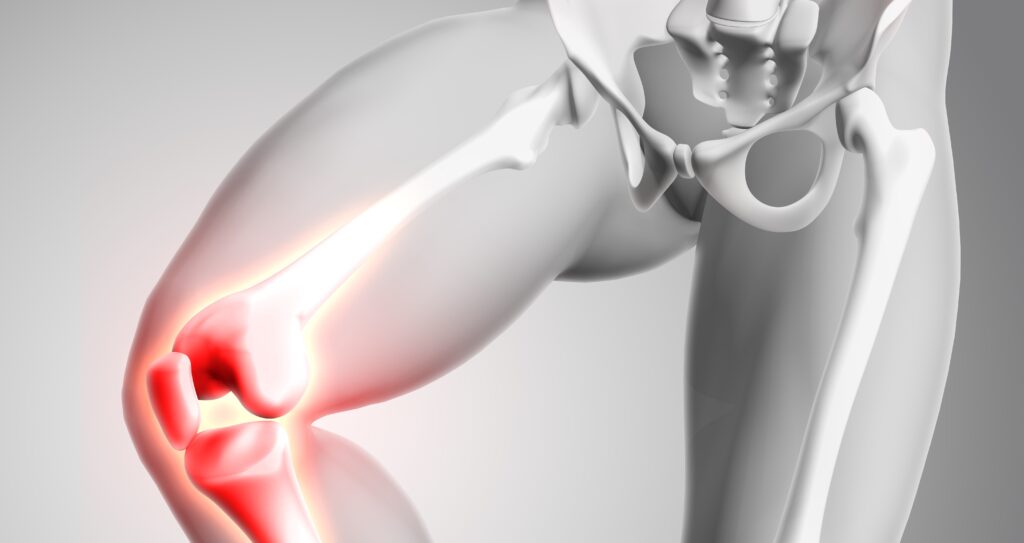
4. Benefits for Bone and Joint Health
While glucosamine remains the primary supplement recommended for cartilage and joint support, D-mannose also participates in the synthesis of glycoproteins and proteoglycans that contribute to connective tissue integrity. These structural molecules are important components of cartilage, ligaments, tendons, and extracellular matrices.
Healthy glycosylation pathways supported by mannose metabolism are essential for maintaining normal connective tissue function. Laboratory research suggests that disturbances in mannose metabolism may impair collagen organization and tissue repair. Although direct clinical evidence supporting D-mannose supplementation for osteoarthritis or osteoporosis is currently insufficient, its contribution to connective tissue biology provides a theoretical basis for future investigation.
Individuals seeking comprehensive joint support may benefit from combining established nutrients such as glucosamine, chondroitin sulfate, collagen peptides, vitamin D, and adequate physical activity, while D-mannose may offer complementary metabolic support.

Other Potential Health Benefits of D-Mannose
Beyond urinary health, researchers continue to investigate additional therapeutic applications of D-mannose.
Preclinical studies suggest that D-mannose may reduce excessive inflammation by modulating immune signaling pathways. Experimental evidence also indicates potential antioxidant properties that may help protect cells from oxidative stress. Furthermore, D-mannose has been investigated in rare congenital disorders of glycosylation, where supplementation can improve metabolic function in affected individuals under specialist medical supervision.
D-mannose has only a minimal impact on blood sugar because it is poorly metabolized and rapidly eliminated by the kidneys. Nevertheless, individuals with diabetes should consult healthcare professionals before initiating supplementation, particularly when using high doses.
Current evidence indicates that D-mannose is generally well tolerated. Mild gastrointestinal discomfort or loose stools may occur in some individuals, especially with larger doses. Appropriate hydration should accompany supplementation to facilitate urinary excretion.
Conclusion
D-mannose has emerged as one of the most promising natural interventions for recurrent urinary tract infection prevention. Clinical evidence supports its ability to reduce bacterial adherence within the urinary tract, offering an effective non-antibiotic approach that may decrease recurrence while minimizing antibiotic exposure. Beyond urinary health, emerging research suggests potential roles in immune regulation, gut microbiome balance, and connective tissue maintenance. Individuals with chronic medical conditions or those taking prescription medications should consult qualified healthcare providers before beginning supplementation.
Written By: Anzer Hussain (M. Pharm, Pharmaceutical Medicine)