

Endometriosis is a chronic inflammatory condition in which tissue similar to the lining of the uterus (endometrium) grows outside the uterine cavity. These growths are commonly found on the ovaries, fallopian tubes, pelvic peritoneum, and, less frequently, on the bowel, bladder, or other organs. Like the normal endometrium, these tissues respond to hormonal changes during the menstrual cycle, resulting in inflammation, bleeding, scar tissue formation, and chronic pain. According to the World Health Organization (WHO), approximately 10% of women and adolescent girls of reproductive age worldwide around 190 million individuals are affected by endometriosis, making it one of the most common gynecological disorders (Zondervan et al., 2022; WHO, 2023).
Despite its high prevalence, endometriosis is frequently underdiagnosed because its symptoms often overlap with other gastrointestinal, urinary, and gynecological disorders. Diagnostic delays of several years are common, which can negatively affect quality of life, mental well-being, fertility, and productivity (ESHRE Guideline, 2022).
What Causes Endometriosis?
The exact cause of endometriosis remains unclear, and researchers believe that multiple biological, genetic, hormonal, immune, and environmental factors contribute to its development. One of the oldest and most widely accepted theories is retrograde menstruation, in which menstrual blood flows backward through the fallopian tubes into the pelvic cavity. However, because retrograde menstruation occurs in many women who never develop endometriosis, additional mechanisms must also be involved (Burney & Giudice, 2012).
Genetic susceptibility appears to play an important role, as women with a first-degree relative diagnosed with endometriosis have a significantly higher risk of developing the condition. Genome-wide association studies have identified several genes involved in inflammation, hormone regulation, and cell growth that may increase susceptibility. Estrogen also plays a central role because endometriotic lesions are estrogen-dependent and continue to grow under hormonal stimulation. Furthermore, abnormalities in immune function may allow displaced endometrial-like cells to survive instead of being eliminated by immune surveillance. Chronic inflammation, oxidative stress, and abnormal angiogenesis (formation of new blood vessels) further contribute to disease progression (ESHRE, 2022; Zondervan et al., 2020).
Common Symptoms of Endometriosis
The symptoms of endometriosis vary widely depending on the location and severity of lesions. Some women experience debilitating pain, while others remain asymptomatic until they encounter fertility problems.
The hallmark symptom is pelvic pain, particularly during menstruation (dysmenorrhea), which is often much more severe than typical menstrual cramps. Pain may also occur during ovulation, sexual intercourse (dyspareunia), bowel movements, or urination, especially during menstruation. Chronic pelvic pain that persists throughout the menstrual cycle is another common complaint.
Heavy menstrual bleeding or irregular periods may occur in some women, although these are not universal features. Fatigue, abdominal bloating, constipation, diarrhea, nausea, and lower back pain may accompany menstrual periods, particularly when the bowel is involved. Endometriosis is also strongly associated with infertility, affecting approximately 30-50% of women experiencing infertility (Practice Committee of the American Society for Reproductive Medicine, 2012).
Because these symptoms overlap with conditions such as irritable bowel syndrome, pelvic inflammatory disease, and interstitial cystitis, professional medical evaluation is essential for accurate diagnosis.
How Is Endometriosis Diagnosed?
Diagnosing endometriosis requires a combination of clinical assessment, imaging, and, in selected cases, surgical confirmation. Healthcare professionals begin by reviewing menstrual history, pain patterns, reproductive history, and family history, followed by a pelvic examination.
Transvaginal ultrasound is usually the first imaging investigation because it effectively detects ovarian endometriomas and deep infiltrating endometriosis. Magnetic resonance imaging (MRI) may be recommended when deep pelvic disease is suspected or before surgical planning.
Historically, laparoscopy with histological confirmation was considered the gold standard for diagnosis. However, the latest European Society of Human Reproduction and Embryology (ESHRE) 2022 guidelines recognize that advances in imaging allow many women to receive a diagnosis without immediate surgery. Surgical evaluation is generally reserved for uncertain cases, severe symptoms, or when treatment decisions require direct visualization of lesions.
Early diagnosis is important because prompt management can reduce symptom progression and improve quality of life.
Endometriosis Treatment Options
Treatment depends on symptom severity, age, fertility goals, lesion location, and patient preferences. There is currently no permanent cure, but several effective therapies help control symptoms and improve daily functioning.
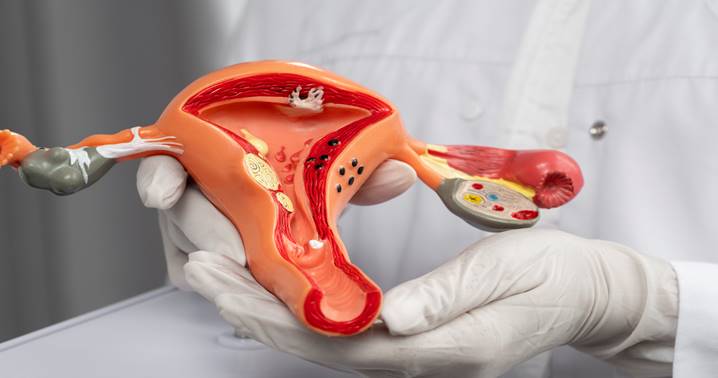
Pain management often begins with nonsteroidal anti-inflammatory drugs (NSAIDs), although evidence for long-term effectiveness is limited. Hormonal therapies represent the cornerstone of medical management. Combined oral contraceptives, progestins, levonorgestrel-releasing intrauterine systems, and gonadotropin-releasing hormone (GnRH) agonists or antagonists reduce estrogen stimulation, thereby suppressing lesion growth and decreasing pain (ESHRE, 2022).
For women with severe symptoms or infertility, laparoscopic surgery may remove or destroy endometriotic lesions while preserving healthy reproductive tissues whenever possible. Surgery can significantly improve pain and fertility in carefully selected patients, although recurrence remains possible.
Women attempting pregnancy may benefit from fertility treatments such as ovulation induction, intrauterine insemination, or in vitro fertilization (IVF), depending on age, ovarian reserve, and disease severity.
A multidisciplinary approach that includes gynecologists, pain specialists, physiotherapists, nutrition professionals, and mental health experts often provides the best long-term outcomes.
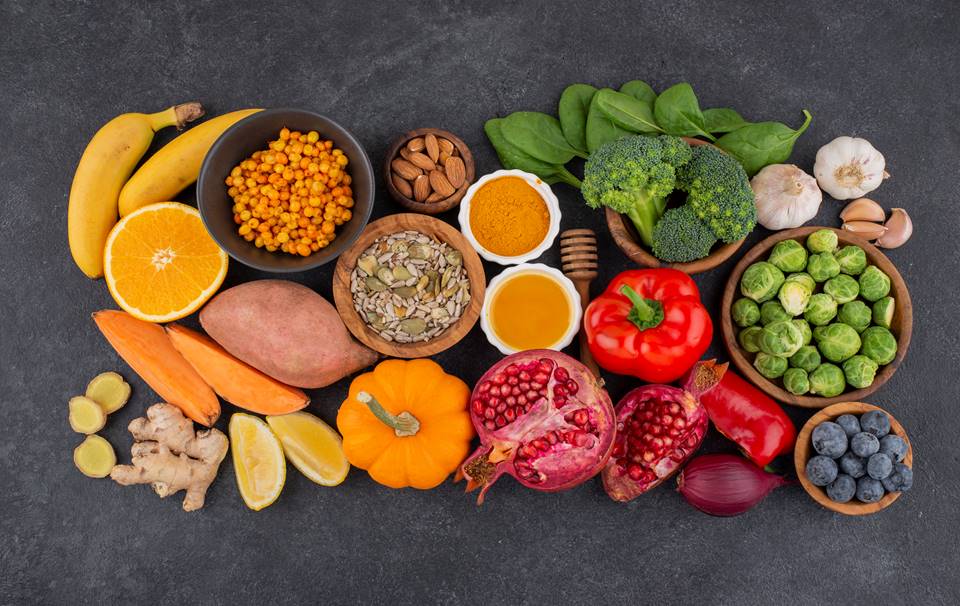
Foods That May Support Overall Wellness
Although diet cannot cure endometriosis, certain eating patterns may help reduce systemic inflammation and support overall health. Current evidence suggests that consuming a Mediterranean-style diet rich in vegetables, fruits, legumes, whole grains, olive oil, nuts, and fatty fish may be associated with lower inflammatory markers and improved well-being. Omega-3 fatty acids from salmon, sardines, flaxseed, and walnuts may help regulate inflammatory pathways. Fruits and vegetables provide antioxidants that help combat oxidative stress, while whole grains support gut health and stable blood sugar levels. Adequate intake of vitamin D, calcium, magnesium, and iron is important, particularly for women experiencing heavy menstrual bleeding.
Conversely, diets high in ultra-processed foods, excessive red meat, refined sugars, and trans fats have been associated with increased inflammatory activity in observational studies. However, evidence remains insufficient to recommend restrictive diets as a primary treatment for endometriosis. Nutritional strategies should complement not replace medical care (Nutrients, 2023).
The Bottom Line
Endometriosis is a complex, chronic inflammatory disorder that affects millions of women worldwide. Although its exact cause remains uncertain, hormonal, genetic, immune, and inflammatory mechanisms all contribute to disease development. Early recognition of symptoms and diagnosis, and individualized treatment can substantially improve quality of life and reproductive outcomes. While nutrition and healthy lifestyle practices may support overall wellness.
Key Takeaway
Living with endometriosis can be physically and emotionally challenging, but advances in diagnosis and treatment continue to improve patient care. Greater awareness among women and healthcare providers can reduce diagnostic delays and enable earlier intervention. Individuals experiencing persistent pelvic pain, painful menstruation, or fertility concerns should consult a qualified healthcare professional for comprehensive evaluation. A personalized combination of medical treatment, healthy lifestyle habits, and ongoing clinical follow-up offers the best opportunity to manage symptoms and maintain long-term health.