


Energy drinks have become one of the fastest-growing beverages worldwide, particularly among teenagers, young adults, athletes, and professionals seeking an instant boost in energy and mental alertness.
These beverages typically contain high concentrations of caffeine and sugar and widely marketed as performance-enhancing drinks, increasing scientific evidence suggests that frequent consumption may be associated with a significantly higher risk of several serious health conditions. Research indicates that the combination of high caffeine and other stimulants can overstimulate the nervous and cardiovascular systems, while excessive sugar intake contributes to metabolic complications. Unlike coffee, many energy drinks contain multiple stimulants that may work synergistically, increasing the likelihood of adverse health effects (Higgins et al., 2018). Understanding these risks is essential for making informed dietary choices and protecting long-term health.
Serious Diseases Linked to Energy Drinks

1. Cardiovascular Diseases
Cardiovascular complications are among the most widely reported health concerns associated with energy drink consumption. Most commercial energy drinks contain between 80 and 300 mg of caffeine per serving, and some products contain even higher amounts. Combined with ingredients such as guarana and taurine, these stimulants increase sympathetic nervous system activity, resulting in elevated heart rate, increased blood pressure, and greater cardiac workload. Clinical studies have demonstrated that energy drinks may prolong the QT interval, an electrocardiographic abnormality associated with potentially life-threatening arrhythmias (Shah et al., 2019).
Medical reports have linked excessive energy drink consumption with hypertension, atrial fibrillation, myocardial infarction, stroke, and sudden cardiac death in susceptible individuals. The cardiovascular risk is even greater in people with pre-existing heart disease, hypertension, or when energy drinks are consumed before intense exercise or mixed with alcohol.

2. Mental Health Problems
Although energy drinks are promoted for improving alertness and concentration, excessive intake may negatively affect mental health. High doses of caffeine stimulate the central nervous system by blocking adenosine receptors and increasing adrenaline release, producing temporary wakefulness. However, excessive stimulation may lead to anxiety, nervousness, panic attacks, irritability, restlessness, insomnia, and reduced sleep quality.
Poor sleep further contributes to impaired memory, reduced cognitive performance, and emotional instability. Systematic reviews have shown that adolescents who frequently consume energy drinks report higher levels of stress, depression, hyperactivity, and risk-taking behaviours than non-consumers (Visram et al., 2016). Individuals with anxiety disorders or sleep disturbances are particularly vulnerable to these adverse neurological effects.

3. Metabolic Disorders
Regular consumption of sugar-rich energy drinks may significantly increase the risk of metabolic disorders. Many products contain over 25-50 g of added sugar per serving, causing rapid increases in blood glucose and insulin levels. Frequent consumption promotes insulin resistance, obesity, metabolic syndrome, and eventually type 2 diabetes mellitus. Repeated sugar spikes also encourage fat accumulation, particularly around abdominal organs, increasing the risk of cardiovascular disease. Although sugar-free energy drinks eliminate added sugars, their high caffeine and stimulant content may still adversely influence glucose metabolism and cardiovascular function.
The World Health Organization recommends limiting free sugar intake to reduce obesity and diabetes risk (WHO, 2015), making routine energy drink consumption inconsistent with healthy dietary recommendations.
4. Kidney Problems
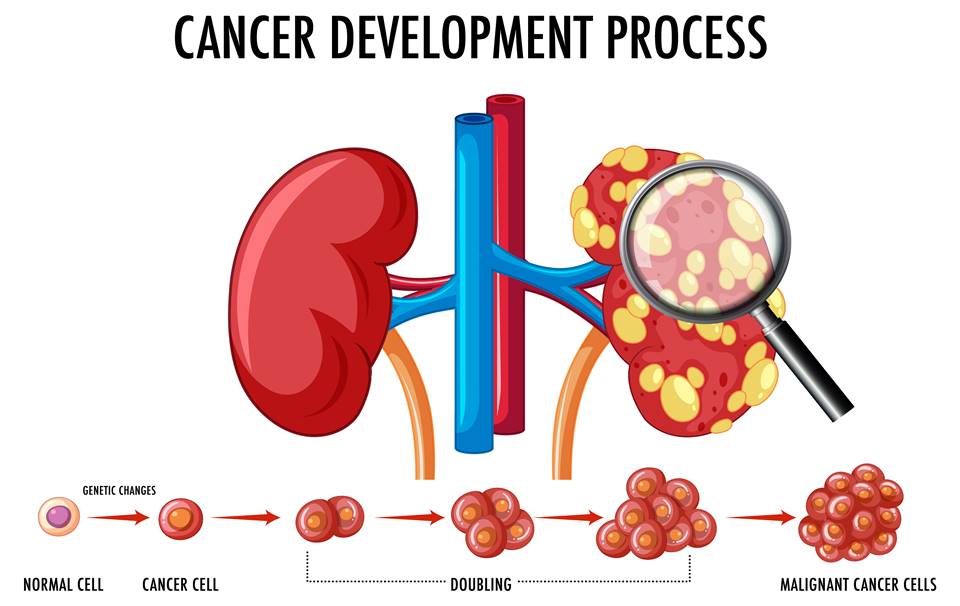
The kidneys play a critical role in filtering waste products and maintaining fluid balance. Excessive caffeine intake increases urine production and may contribute to dehydration, especially when energy drinks are consumed during exercise or in hot weather. Dehydration decreases renal blood flow and may increase the likelihood of acute kidney injury in susceptible individuals. Several medical case reports have described reversible kidney injury following excessive consumption of energy drinks (Greene et al., 2014).
Furthermore, long-term consumption may indirectly impair kidney function by increasing the risk of hypertension and diabetes, two leading causes of chronic kidney disease. Individuals with existing kidney disorders should therefore avoid excessive intake of stimulant beverages.
5. Liver Damage
Although liver injury caused by energy drinks is relatively uncommon, several published case reports have linked excessive intake with acute hepatitis and liver dysfunction. These adverse effects are believed to result primarily from excessive niacin (vitamin B3) intake rather than caffeine itself. Some energy drinks contain niacin concentrations that exceed the recommended daily intake, particularly when multiple cans are consumed over extended periods.
In addition, certain herbal ingredients may interact with medications or increase liver stress. Vivekanandarajah et al. (2011) described a patient who developed acute hepatitis after prolonged excessive energy drink consumption, highlighting the importance of moderation and careful label reading.

6. Digestive Issues
Energy drinks may negatively affect digestive health through multiple mechanisms. Caffeine stimulates gastric acid secretion, increasing the likelihood of acid reflux, gastritis, stomach irritation, nausea, and abdominal discomfort. Carbonation and high sugar concentrations may further aggravate gastrointestinal symptoms, especially in individuals with sensitive stomachs.
Consuming energy drinks on an empty stomach may intensify these adverse effects because the stomach lining is directly exposed to acidic ingredients and stimulants. Chronic digestive irritation may reduce overall gastrointestinal comfort and quality of life.

7. Dental Problems
Frequent consumption of energy drinks can significantly damage oral health. Most energy drinks are highly acidic and contain large quantities of added sugars, creating ideal conditions for tooth enamel erosion and dental caries. Acid gradually dissolves enamel, while oral bacteria metabolize sugars to produce additional acids that accelerate tooth decay.
Research studies have demonstrated that energy drinks can erode enamel more aggressively than many other soft drinks (Owens et al., 2014). Regular sipping throughout the day prolongs acid exposure, increasing tooth sensitivity, cavities, and irreversible enamel loss. Rinsing the mouth with water after consumption and limiting intake can help reduce dental damage.
Conclusion
Energy drinks may provide short-term improvements in alertness and physical performance, but medical evidence indicates that frequent consumption is associated with a significantly higher risk of cardiovascular disease, mental health problems, metabolic disorders, kidney injury, liver damage, digestive complications, and dental erosion. These health effects are largely driven by excessive caffeine, added sugars, and the combined action of multiple stimulant ingredients.