

Children grow rapidly, and their bodies need a steady supply of essential nutrients to build bones, muscles, blood, brain tissue, hormones, and a healthy immune system. Among these nutrients, minerals play a particularly important role because they participate in hundreds of biological processes.
A child may eat enough calories but still have an inadequate intake of certain minerals if the diet lacks variety. Iron, zinc, calcium, magnesium, and iodine are five minerals that deserve particular attention during childhood. Understanding their functions, dietary sources, and age-specific requirements can help parents build healthier meals without relying unnecessarily on supplements.

Role of Minerals for Kids’ Healthy Growth
Minerals are essential for normal physical and neurological development during childhood. Calcium contributes to the development of strong bones and teeth, while iron supports oxygen transport and brain function. Zinc participates in DNA and protein synthesis, cell division, immunity, and normal growth. Magnesium contributes to energy metabolism, muscle and nerve function, and bone formation. Iodine is required to produce thyroid hormones that regulate metabolism, growth, and brain development.
Importantly, these minerals work together rather than independently.

1. Iron: Essential for Energy, Blood and Brain Development
Iron is essential during childhood because it supports hemoglobin production, oxygen transport, cellular energy metabolism, and normal brain development. The developing brain has a particularly high demand for iron, and prolonged iron deficiency can affect attention, memory, learning, and cognitive function. Iron is also important for normal immune function and physical activity because oxygen must be efficiently delivered to growing tissues. Clinical evidence suggests that correcting iron deficiency, particularly iron-deficiency anemia, can improve certain cognitive outcomes. A 2023 systematic review and meta-analysis of randomized controlled trials involving school-age children found that iron supplementation significantly improved measures of intelligence, attention and concentration, and memory [1].

2. Zinc: Supports Growth, Immunity and Cell Development
Zinc is needed for DNA synthesis, protein production, cell division, wound healing, immune function, and normal growth. This makes adequate zinc particularly important during periods of rapid physical development. Zinc is found throughout the body and participates in the activity of numerous enzymes. However, having enough zinc in the diet does not necessarily mean supplementation will make a healthy child grow faster. Evidence from systematic reviews shows that the benefits of zinc supplementation on growth are variable and are more relevant where inadequate zinc intake or deficiency exists [2].

3. Calcium: The Foundation of Strong Bones and Teeth
Calcium is the major mineral component of bones and teeth and is especially important during childhood and adolescence, when the skeleton undergoes rapid growth and mineralization. Adequate calcium intake helps children develop and maintain bone mass while also supporting normal muscle contraction, nerve transmission, blood clotting, and cellular signaling. Calcium does not work alone: vitamin D is required for efficient calcium absorption and normal bone metabolism.
Research involving children and adolescents shows that calcium intake can contribute to bone mineralization, particularly when combined with appropriate physical activity. A systematic review of randomized controlled trials examining calcium and physical activity in children and adolescents found evidence supporting their combined importance for bone health [3].
For parents, the practical message is simple: children need regular calcium-containing foods throughout childhood rather than relying on high-dose supplements.
4. Magnesium: Important for Muscles, Nerves, Energy and Bones
Magnesium is an essential mineral involved in hundreds of biochemical reactions. It helps convert food into usable energy and participates in protein synthesis, DNA and RNA metabolism, nerve signaling, muscle contraction and relaxation, and maintenance of normal electrolyte balance. Magnesium also contributes to bone structure and works alongside calcium and vitamin D in maintaining skeletal health.
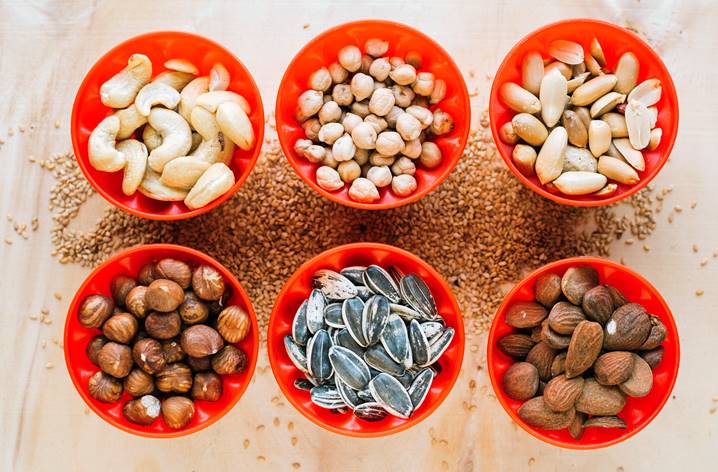
During childhood, adequate magnesium intake is therefore important for normal metabolism and the development and functioning of muscles, nerves and bones. However, magnesium should not be promoted as a standalone supplement that automatically increases children’s height or muscle mass. Its primary role is to ensure that normal physiological processes can occur efficiently. Children who consume a varied diet containing whole grains, legumes, nuts, seeds and vegetables can generally obtain magnesium from food [4].

5. Iodine: Essential for Thyroid Hormones and Brain Development
Iodine has a unique role in childhood because it is required to produce thyroid hormones, primarily thyroxine (T4) and triiodothyronine (T3). These hormones regulate metabolism and are essential for normal growth, nervous-system development, and brain maturation. Adequate iodine is particularly important during early life because the developing brain is highly dependent on normal thyroid hormone availability.
Clinical and epidemiological evidence has demonstrated the importance of iodine status for neurodevelopment. A systematic review and meta-analysis examining children aged five years and younger found that iodine deficiency was associated with poorer mental development, although the authors also highlighted methodological limitations in the available evidence [5].
Daily Mineral Needs: India vs EU vs USA
Parents should understand that the numbers reported by India, the EU, and the USA are not always directly interchangeable. India primarily uses ICMR-NIN recommendations, while EFSA uses Dietary Reference Values such as Population Reference Intakes and Adequate Intakes, and the U.S. uses Recommended Dietary Allowances [6, 7].
Daily Mineral Requirements for Children: India, EU & USA
| Mineral | Age Group | India – ICMR-NIN 2020 | EU – EFSA | USA – RDA/AI |
| Iron | 1-3 years | 8 mg/day | 7 mg/day | 7 mg/day |
| 4-6 years | 11 mg/day | 7 mg/day* | 10 mg/day | |
| 7-9 years | 15 mg/day | 10 mg/day* | 8 mg/day | |
| Zinc | 1-3 years | 3.3 mg/day | ~4.3 mg/day | 3 mg/day |
| 4-6 years | 4.5 mg/day | ~5.5 mg/day | 5 mg/day | |
| 7-9 years | 5.9 mg/day | ~7.4 mg/day | 8 mg/day | |
| Calcium | 1-3 years | 500 mg/day | 450 mg/day | 700 mg/day |
| 4-6 years | 550 mg/day | 800 mg/day | 1,000 mg/day | |
| 7-9 years | 650 mg/day | 800 mg/day | 1,000 mg/day | |
| Magnesium | 1-3 years | 90 mg/day | 170 mg/day (AI) | 80 mg/day |
| 4-6 years | 125 mg/day | 230 mg/day (AI) | 130 mg/day | |
| 7-9 years | 175 mg/day | 250 mg/day (AI) | 240 mg/day | |
| Iodine | 1-3 years | 90 µg/day | 90 µg/day | 90 µg/day |
| 4-6 years | 120 µg/day | 90 µg/day | 90 µg/day | |
| 7-9 years | 120 µg/day | 90 µg/day | 120 µg/day |
Notes:
- *EU values vary according to age and sex for some nutrients; the table provides the closest applicable EFSA reference values for general comparison.
- †For the USA, the age category extends beyond the Indian age group; U.S. values shown are for the corresponding RDA age band.
- mg = milligrams; µg = micrograms; RDA = Recommended Dietary Allowance; AI = Adequate Intake.
- These are daily nutrient reference intakes from food plus supplements, not recommended supplement doses.
- Children with a diagnosed deficiency may require a therapeutic dose prescribed by a pediatrician; parents should not use these values as self-treatment doses.
Major Dietary Sources
The easiest strategy for parents is to focus on dietary variety rather than trying to calculate every mineral at every meal.
| Mineral | Major Food Sources |
| Iron | Lentils, chickpeas, beans, ragi, spinach, eggs, meat, poultry, fish, fortified cereals |
| Zinc | Meat, eggs, dairy, legumes, chickpeas, nuts, seeds, whole grains |
| Calcium | Milk, yogurt, cheese, ragi, calcium-set tofu, sesame, fortified foods, leafy vegetables |
| Magnesium | Nuts, seeds, legumes, whole grains, ragi, spinach, leafy vegetables |
| Iodine | Iodized salt, dairy products, eggs, fish and seafood |
Bottom Line
Iron, zinc, calcium, magnesium, and iodine are five key minerals that support different but interconnected aspects of children’s healthy growth. Iron helps transport oxygen and supports brain and energy metabolism; zinc supports cell division, immunity, and development; calcium builds bones and teeth; magnesium supports energy, muscles, nerves, and bone metabolism; and iodine supports thyroid hormone production and brain development. The best approach for most children is a varied, nutrient-dense diet rather than routine high-dose mineral supplementation. If a child is a very selective eater, has poor growth, persistent fatigue, recurrent nutritional problems, follows a highly restricted diet, or has a suspected deficiency, parents should discuss dietary assessment and appropriate testing with a pediatrician or qualified dietitian before starting supplements.
References
- Gutema BT, et al. Effects of iron supplementation on cognitive development in school-age children: Systematic review and meta-analysis. PLOS ONE. 2023;18(6):e0287703.
- Gera T, Shah D, Sachdev HS. Zinc Supplementation for Promoting Growth in Children Under 5 Years of Age in Low- and Middle-income Countries: A Systematic Review. Indian Pediatrics. 2019;56(5):391-406.
- Yang X, et al. Combined effects of physical activity and calcium on bone health in children and adolescents: a systematic review of randomized controlled trials. World Journal of Pediatrics. 2020.
- National Institutes of Health, Office of Dietary Supplements. Magnesium – Consumer/Health Professional Fact Sheet. Magnesium requirements, physiological functions, and dietary sources. Bougma K, Aboud FE, Harding KB, Marquis GS. Iodine and mental development of children 5 years old and under: a systematic review and meta-analysis. Nutrients. 2013;5:1384-1416.
- Nutrient Requirements for Indians – ICMR-NIN, 2020. Indian reference values for iron, zinc, calcium, magnesium and iodine.
- EFSA Panel on Dietetic Products, Nutrition and Allergies. Summary of Dietary Reference Values for the EU population. European reference values for calcium, iron, zinc, magnesium, iodine and other minerals.