

Coenzyme Q10 (CoQ10), also known as ubiquinone, is a naturally occurring, fat-soluble compound involved in mitochondrial energy production and cellular antioxidant protection. Because the heart has a high and continuous energy requirement, CoQ10 has attracted considerable medical interest as a nutritional supplement for cardiovascular health.
CoQ10 should therefore be viewed as a potential adjunct to standard cardiovascular management rather than a treatment that replaces prescribed medicines. Current cardiovascular guidelines continue to emphasize evidence-based therapies, including blood-pressure-lowering medicines, lipid-lowering therapy when indicated, lifestyle modification and guideline-directed treatment for heart failure (1).
Key Heart Benefits of Coenzyme Q10
1. Heart Failure (HF)
Heart failure is one of the cardiovascular conditions in which CoQ10 has been studied most extensively. The rationale is biologically plausible because impaired mitochondrial energy production and oxidative stress may contribute to myocardial dysfunction. CoQ10 participates in the mitochondrial electron-transport chain and helps generate adenosine triphosphate (ATP), the major energy currency of cells.
The Q-SYMBIO randomized, double-blind clinical trial evaluated 420 patients with moderate-to-severe chronic heart failure receiving standard therapy plus CoQ10 or placebo. Participants receiving CoQ10 received 100 mg three times daily, or 300 mg/day, for two years. The investigators reported improvements in several clinical outcomes, including a lower rate of major adverse cardiovascular events and cardiovascular mortality in the CoQ10 group (2). However, Q-SYMBIO was a relatively modest-sized trial, and its findings have not established CoQ10 as a substitute for modern guideline-directed heart-failure therapy.
Therefore, CoQ10 may be considered an adjunct in selected patients, but treatments such as beta-blockers, renin-angiotensin-system inhibitors/ARNI, mineralocorticoid receptor antagonists and SGLT2 inhibitors remain central to appropriate heart-failure management.

2. Hypertension
CoQ10 has also been investigated for its potential effect on blood pressure. Early clinical research suggested that CoQ10 supplementation might reduce blood pressure in some individuals with hypertension. A meta-analysis of clinical trials found evidence of a blood-pressure-lowering effect, although the evidence base included relatively few randomized trials and several studies with methodological limitations (3).
More recent evidence remains mixed. A 2025 systematic review and meta-analysis of randomized controlled trials reported a modest reduction in systolic blood pressure, while the effect on diastolic blood pressure was not statistically significant. Importantly, the U.S. National Center for Complementary and Integrative Health notes that the available evidence is insufficient to conclude that CoQ10 has a meaningful effect on blood pressure.
Consequently, CoQ10 should not be considered a replacement for antihypertensive therapy. Individuals with hypertension should continue appropriate medical treatment, dietary modification, physical activity, weight management and other evidence-based interventions.
3. Coronary Artery Disease (CAD)
Coronary artery disease develops primarily through atherosclerosis, in which lipid accumulation, inflammation and vascular changes contribute to narrowing of the coronary arteries. CoQ10 has been investigated because of its involvement in mitochondrial function and antioxidant defense.
Clinical studies have examined CoQ10 in patients with coronary heart disease, including its possible effects on oxidative stress, inflammation, endothelial function and exercise-related parameters. A systematic review concluded that CoQ10 had biological plausibility and some promising clinical findings, but the evidence was insufficient to establish a definitive role for CoQ10 in preventing major coronary events (4).
Therefore, CoQ10 should not be promoted as a therapy that prevents heart attacks or reverses coronary artery disease. Established approaches such as LDL-cholesterol reduction, smoking cessation, regular physical activity, healthy dietary patterns and appropriate cardiovascular medicines remain much more important for reducing cardiovascular risk.
4. Hypercholesterolemia and Atherosclerosis
The relationship between CoQ10 and blood lipids has also been investigated. A meta-analysis involving 50 randomized controlled trials and 2,794 participants reported small average reductions in total cholesterol, LDL cholesterol and triglycerides and a small increase in HDL cholesterol following CoQ10 supplementation. However, the magnitude of these changes was modest, and heterogeneity between studies was considerable.
A newer 2026 systematic review involving 64 randomized controlled trials similarly reported modest improvements in several lipid parameters, although the populations, doses and intervention periods varied considerably (5).
These findings should not be interpreted as evidence that CoQ10 can replace statins or other lipid-lowering medicines. The 2026 ACC/AHA dyslipidemia guideline continues to place appropriate LDL-C reduction and evidence-based lipid-lowering therapy at the center of cardiovascular risk management.

5. Endothelial Dysfunction and Hypertension
The vascular endothelium regulates blood-vessel tone, blood flow and several processes involved in cardiovascular health. Endothelial dysfunction is associated with hypertension and atherosclerosis. Because oxidative stress can interfere with nitric-oxide-dependent vascular function, the antioxidant properties of CoQ10 have generated interest in this area.
A meta-analysis of five randomized controlled trials involving 194 participants found that CoQ10 supplementation significantly improved endothelial function when measured by flow-mediated dilation, although another endothelial-function measure did not show a significant improvement (6). The relatively small number of participants means these findings should be interpreted cautiously.
Overall, CoQ10 may have favorable effects on certain markers of vascular function, but this does not establish that supplementation prevents cardiovascular events.
Natural Foods and Supplementation
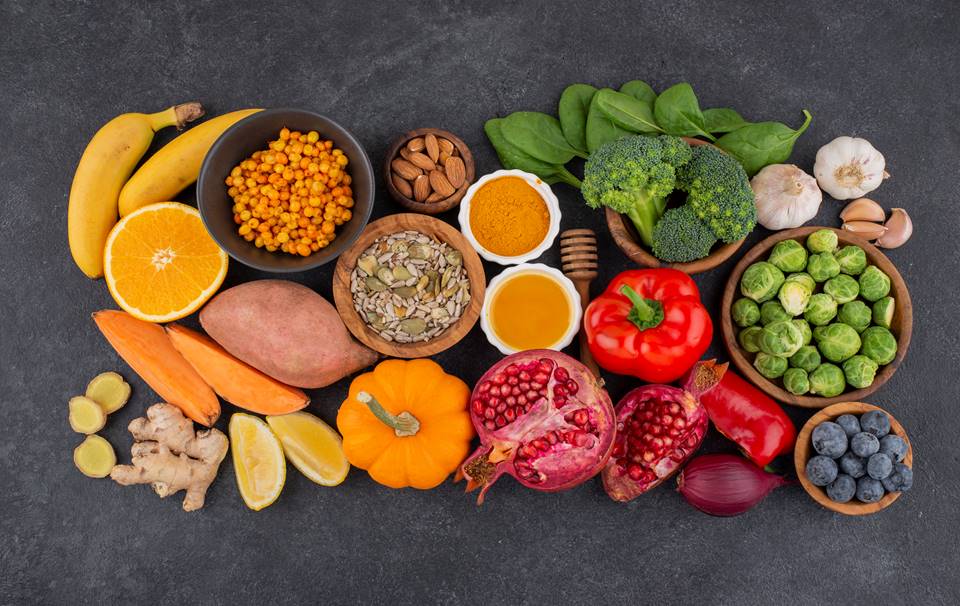
CoQ10 occurs naturally in foods, particularly meat and fish, with smaller amounts present in some nuts and other foods. Dietary intake generally provides much lower quantities than the doses used in clinical supplementation studies. Consequently, food sources are useful as part of a balanced diet but are unlikely to reproduce the CoQ10 exposure achieved with concentrated supplements.
A heart-healthy dietary pattern remains more important than focusing on a single nutrient. Current American Heart Association dietary guidance emphasizes vegetables, fruits, whole grains, healthy protein sources, nuts, fish and unsaturated fats while limiting highly processed foods, excess sodium, added sugars and unhealthy saturated-fat patterns.
Dosage of Coenzyme Q10: What Clinical Data Show
There is no single universally established cardiovascular dose of CoQ10 for India, the United States or the European Union. Dosage in clinical research has depended on the condition being studied and the formulation used.
For heart-failure research, the best-known clinical regimen is 300 mg/day, administered as 100 mg three times daily in the Q-SYMBIO trial (2). Earlier heart-failure studies commonly used approximately 100-200 mg/day. Studies investigating blood pressure and metabolic outcomes have used a broad range of doses, frequently between approximately 60 and 300 mg/day.
In India, FSSAI records include an approved CoQ10 application at 60-300 mg/day, demonstrating that this range has been considered within the Indian food-supplement regulatory framework for a specific approved application. This should not be interpreted as a universal therapeutic dose or as permission to make disease-treatment claims on a product label.
In the United States and European Union, clinical-trial doses similarly vary, and there is no universally recommended CoQ10 dose specifically for treating cardiovascular disease. Consumers should therefore distinguish between a dose studied in a clinical trial and a regulatory or therapeutic recommendation.

What You Need to Know Before Use
CoQ10 is generally well tolerated. Reported adverse effects are usually mild and may include digestive discomfort or insomnia. Clinical safety research has evaluated substantially higher doses than those commonly used in cardiovascular supplementation studies, but higher doses should not automatically be assumed to provide greater cardiovascular benefit.
CoQ10 may interact with certain medicines. Particular attention is warranted in people taking warfarin, because CoQ10 may interfere with anticoagulant effects. People taking medicines for diabetes or undergoing certain cancer treatments should also discuss CoQ10 supplementation with their healthcare professional.
Patients with diagnosed heart failure, coronary artery disease, hypertension or dyslipidemia should not discontinue prescribed treatment in favor of CoQ10. The appropriate role of supplementation should be determined according to the individual’s cardiovascular condition, medicines, risk factors and treatment goals.
Bottom Line
Clinical research suggests that supplementation may have potential benefits in selected cardiovascular settings, particularly as an adjunct in heart failure, while evidence for blood-pressure control, endothelial function and lipid modification is less consistent or modest.
For individuals considering CoQ10 supplementation, the most evidence-based approach is to use it as part of a broader cardiovascular strategy that includes a heart-healthy diet, physical activity, appropriate weight management, smoking avoidance and evidence-based medical treatment when indicated.
References
- 2026 ACC/AHA/AACVPR/ABC/ACPM/ADA/AGS/APhA/ASPC/NLA/PCNA Guideline on the Management of Dyslipidemia.
- Mortensen SA, et al. The effect of coenzyme Q10 on morbidity and mortality in chronic heart failure: results from Q-SYMBIO: a randomized double-blind trial. JACC: Heart Failure. 2014;2(6):641–649.
- Rosenfeldt FL, et al. Coenzyme Q10 in the treatment of hypertension: a meta-analysis of the clinical trials. Journal of Human Hypertension. 2007;21:297-306.
- Ayers J, et al. Recent Developments in the Role of Coenzyme Q10 for Coronary Heart Disease: a Systematic Review. Curr Atheroscler Rep. 2018
- Zhang Z, et al. Effects of Coenzyme Q10 on lipid, glycemic, and inflammatory markers in metabolic disorders: a systematic review and meta-analysis. Journal of Diabetes Research. 2026.
- Gao L, et al. Effects of coenzyme Q10 on vascular endothelial function in humans: a meta-analysis of randomized controlled trials. Atherosclerosis. 2012;221(2):311-316.