

Mental health is influenced by many factors, including sleep, physical activity, stress, genetics, social connections, and nutrition.
Fruits are particularly valuable because they provide vitamins, minerals, fiber, polyphenols, carotenoids, and other plant compounds. Emerging research suggests that diets rich in minimally processed plant foods may be associated with better mental wellbeing, although nutrition should be viewed as one part of a broader approach to mental health.
Research published in Nutrition Reviews, examined 38 experimental studies and revealed that flavonoid-rich foods enhance mood outcomes [1].
Here are four nutritious fruits worth including in a balanced diet for brain health, cognitive function, and overall mood support.
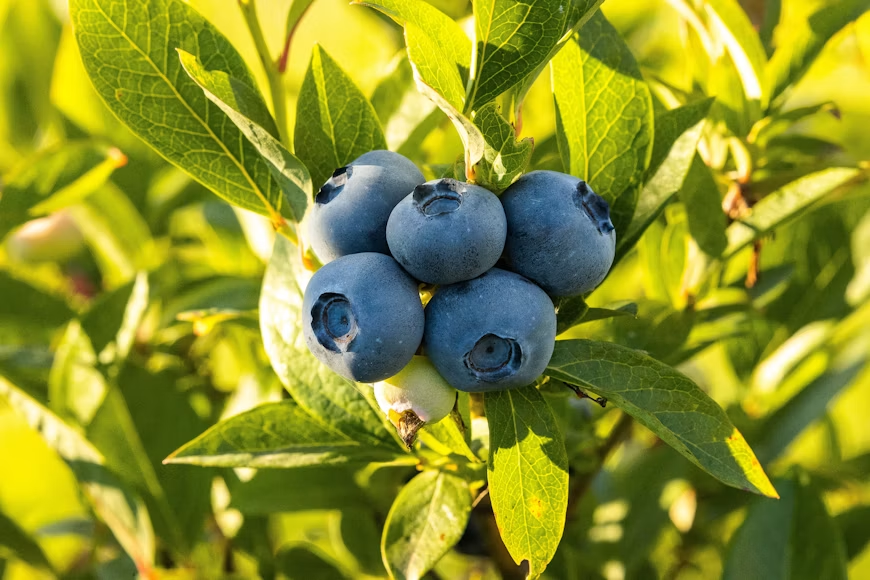
1. Blueberries: A Flavonoid-Rich Fruit for Brain Health
Blueberries are among the most interesting fruits when it comes to nutrition and cognitive health. They contain anthocyanins and other flavonoids, plant compounds responsible for much of their characteristic color.
Research suggests that these compounds may influence pathways involved in oxidative stress, vascular function, and neuronal signaling. A systematic review published in Nutrients, evaluated studies involving berry consumption and cognitive function and reported evidence suggesting potential cognitive benefits, although the number and quality of studies varied [2].
Similarly, randomized controlled trials examined blueberry interventions and reported that blueberries are a promising area of research for cognition and mood [3].
Further, a broader meta-analysis found that dietary flavonoids were associated with improvements in cognitive performance, with berries among the food categories showing notable effects. Rather than thinking of blueberries as a treatment for memory problems or depression, it is more appropriate to consider them a convenient source of polyphenols that can form part of a brain-supportive eating pattern [4].
How to enjoy them: Add fresh or frozen blueberries to oatmeal, unsweetened yogurt, smoothies, or salads.
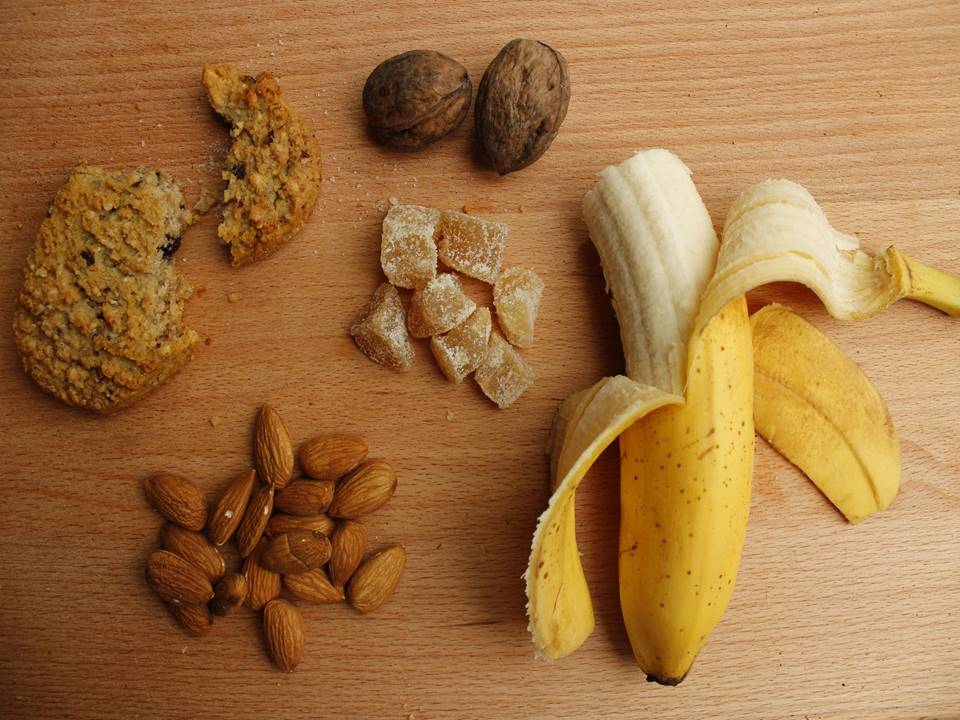
2. Bananas: Vitamin B6 and Convenient Everyday Nutrition
Bananas are an affordable and convenient fruit containing carbohydrates, fiber, potassium, and vitamin B6. Vitamin B6 is particularly relevant to normal nervous-system function and neurotransmitter metabolism.
Vitamin B6 participates in the synthesis of several neurotransmitters, including serotonin, dopamine, and gamma-aminobutyric acid. This does not mean that eating a banana directly increases serotonin or treats low mood. Instead, it demonstrates why adequate intake of essential nutrients is important for normal neurological function.
Bananas also provide carbohydrates that can contribute to daily energy requirements. Their portability makes them a practical snack before work, exercise, or other activities. For mental wellbeing, the broader dietary pattern matters more than any individual fruit. A banana combined with nuts, seeds, yogurt, or oats can create a more nutritionally complete snack.
How to enjoy them: Pair a banana with natural peanut butter, Greek yogurt, oats, or a handful of nuts for a balanced snack.

3. Oranges: Vitamin C, Folate, and Antioxidant Nutrition
Oranges are well known for their vitamin C content. Vitamin C is an essential nutrient involved in antioxidant protection, collagen formation, immune function, and several other physiological processes.
Oranges also provide folate, a B vitamin involved in DNA synthesis, cell division, and normal metabolism. Adequate intake of essential nutrients supports normal physiological function, including processes relevant to the nervous system.
The connection between vitamin C-rich fruits and mental health should nevertheless be presented carefully. Eating oranges is beneficial as part of a nutritious diet, but there is insufficient evidence to claim that oranges independently prevent stress, anxiety, or depression.
Research increasingly points toward the importance of overall dietary quality rather than individual “mood foods.” A recent systematic review of Mediterranean-style dietary patterns found associations with several favorable mental-health outcomes, although researchers emphasized the need for additional high-quality intervention studies.
How to enjoy them: Eat whole oranges rather than relying exclusively on juice. Whole fruit provides fiber and generally produces greater satiety.
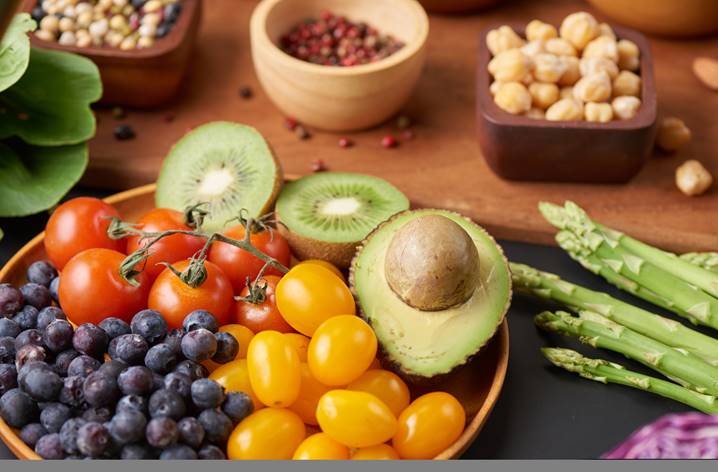
4. Avocados: Healthy Fats and Folate for Brain-Supportive Nutrition
Avocados are botanically classified as a fruit and stand out because they contain more fat than most commonly eaten fruits. Much of this fat is monounsaturated fat, and avocados also provide fiber, folate, potassium, and other micronutrients.
Healthy dietary fats are important because the brain has a high requirement for lipids, while adequate overall nutrition is essential for normal neurological function. Avocados can therefore fit well into dietary patterns designed to support cardiovascular and metabolic health alongside brain health.
Folate is another important nutrient found in avocados. It participates in one-carbon metabolism and cellular processes throughout the body. However, eating avocado should not be considered a treatment for folate deficiency or a mental-health disorder. Avocado works particularly well as part of a Mediterranean-style dietary pattern, alongside vegetables, fruits, whole grains, legumes, nuts, seeds, and other nutrient-dense foods.
How to enjoy it: Add avocado to whole-grain toast, salads, grain bowls, sandwiches, or homemade dips.
Can Fruits Really Improve Mental Health?
The relationship between diet and mental health is complex. It would be misleading to suggest that eating a particular fruit can cure depression, anxiety, insomnia, or another mental-health condition.
Instead, evidence increasingly supports examining overall dietary patterns. A systematic review and meta-analysis of randomized controlled trials found potential benefits of Mediterranean-diet interventions for depressive symptoms, although the researchers rated the certainty of evidence as low and highlighted substantial heterogeneity between studies (published by [5].
Similarly, another studies and found that higher-quality dietary patterns were generally associated with a lower risk of depressive symptoms, while also emphasizing limitations in the available evidence [6].
A 2026 meta-analysis involving more than 385,000 participants found an association between higher combined fruit and vegetable intake and lower incident depression risk. Because these findings come from prospective observational studies, they demonstrate an association rather than proving that fruit consumption directly prevents depression.
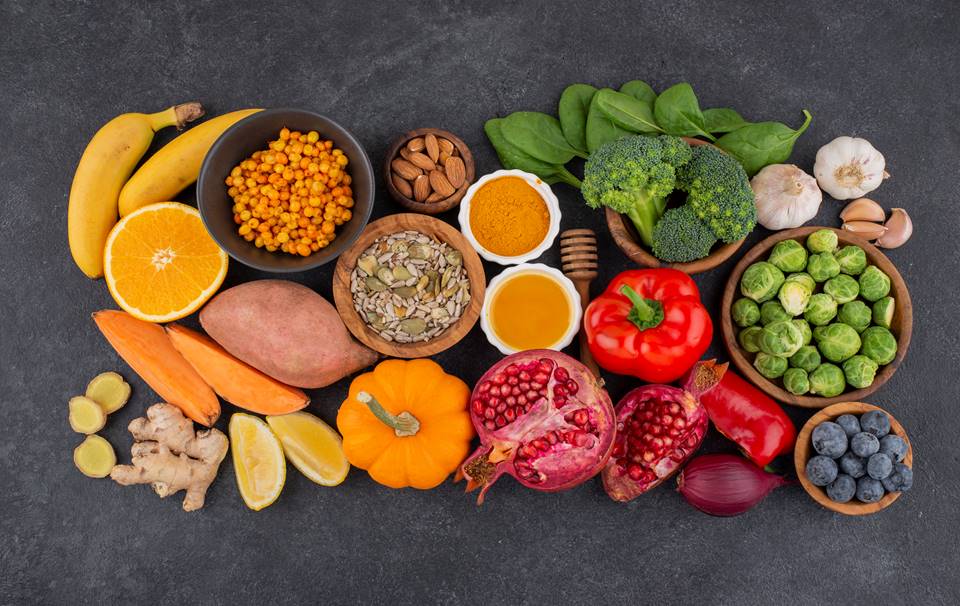
How to Include More Fruits in a Brain-Healthy Diet
Instead of focusing on a single “best fruit for mental health,” aim for variety. Different fruits provide different combinations of fiber, vitamins, minerals, and phytochemicals.
A practical approach is to include fruit throughout the day. Berries can be added to breakfast, bananas can serve as convenient snacks, oranges can provide a vitamin C-rich option, and avocado can contribute healthy fats to meals.
For broader nutritional support, combine fruits with vegetables, legumes, whole grains, nuts, seeds, fish or other appropriate protein sources, and healthy fats. This approach is closer to the dietary patterns studied in research on nutrition and mental wellbeing.
The Bottom Line
Blueberries, bananas, oranges, and avocados are nutrient-rich fruits that can support overall brain and physical health as part of a balanced diet. Blueberries provide flavonoids and anthocyanins, bananas supply vitamin B6, oranges offer vitamin C and folate, while avocados provide monounsaturated fats, fiber, folate, and potassium. However, no single fruit can prevent or treat depression, anxiety, stress, or other mental-health conditions. Research increasingly supports the importance of overall dietary patterns rather than individual “mood-boosting” foods. A healthy diet can complement an active lifestyle, while persistent mental-health or sleep concerns should be discussed with a qualified healthcare professional.
References
- Colombage RL, Barfoot KL, Lamport DJ. Effects of Dietary Flavonoids on Mood and Mental Health: A Systematic Review. Nutrition Reviews. 2026.
- De Amicis R, et al. Systematic Review on the Potential Effect of Berry Intake in the Cognitive Functions of Healthy People. Nutrients. 2022.
- Travica N, et al. The effect of blueberry interventions on cognitive performance and mood: A systematic review of randomized controlled trials. Brain, Behavior, and Immunity. 2019.
- Cheng N, Bell L, Lamport DJ, Williams CM. Dietary Flavonoids and Human Cognition: A Meta-Analysis. Mol Nutr Food Res. 2022 Nov;66(21):e2100976.
- Bizzozero-Peroni B, Vicente Martínez-Vizcaíno, Rubén Fernández-Rodríguez, Estela Jiménez-López, et al,. The impact of the Mediterranean diet on alleviating depressive symptoms in adults: a systematic review and meta-analysis of randomized controlled trials, Nutrition Reviews, Volume 83, Issue 1, January 2025, Pages 29-39.
- Lassale C, et al. Diet quality and depression risk: A systematic review and dose-response meta-analysis of prospective studies.