
Jaundice is a clinical sign characterized by yellowing of the skin and the whites of the eyes. It occurs when bilirubin, a yellow pigment produced during the normal breakdown of red blood cells, accumulates in the bloodstream.
Normally, bilirubin is processed by the liver and excreted through bile into the intestine. If bilirubin production increases, the liver cannot process it properly, or bile flow becomes blocked, bilirubin can accumulate and cause yellow discoloration of the skin and sclera (the whites of the eyes). Jaundice generally becomes clinically visible when bilirubin reaches approximately 2-3 mg/dL [1, 2].
Jaundice itself is not a disease, it can indicate problems involving the liver, bile ducts, blood cells, or other organs. Therefore, identifying its cause is more important than simply treating the yellow discoloration.

Ary Pura on unplash
Types of Jaundice
Jaundice can broadly be classified according to where the problem occurs in the bilirubin pathway.
1. Pre-hepatic jaundice
Pre-hepatic jaundice occurs before bilirubin reaches the liver. It is usually associated with excessive breakdown of red blood cells (hemolysis), which produces more bilirubin than the liver can efficiently process. Certain blood disorders and hemolytic conditions can cause this type of jaundice.
2. Hepatic jaundice
Hepatic jaundice results from problems within the liver that interfere with bilirubin processing or excretion. Causes include viral hepatitis, alcohol-related liver disease, autoimmune liver disorders, fatty liver-related disease, and drug- or toxin-induced liver injury.
3. Post-hepatic or obstructive jaundice
This occurs when bile cannot flow normally from the liver into the intestine. Gallstones, bile duct narrowing, and tumors involving the bile ducts or pancreas can cause obstruction. Dark urine, itching, and pale or clay-colored stools may occur when bile flow is significantly impaired.
4. Neonatal jaundice
Jaundice is particularly common in newborns because their bilirubin metabolism is still developing. However, very high bilirubin levels can potentially cause neurological injury, so newborns with significant or rapidly increasing jaundice require appropriate assessment. Phototherapy is an established treatment when bilirubin reaches treatment thresholds based on the infant’s age and risk factors.

Common Symptoms of Jaundice
The most recognizable symptom of jaundice is yellowing of the skin and the whites of the eyes. However, the symptoms accompanying jaundice depend largely on its underlying cause [2].
Common symptoms may include:
- Yellow skin and sclera: Yellowing is often most noticeable in the whites of the eyes, particularly in natural light.
- Dark urine: Conjugated bilirubin can be excreted through the urine, making it appear darker.
- Pale or clay-colored stools: Reduced bile reaching the intestine can make stools unusually light.
- Itching (pruritus): This may occur particularly with cholestasis or impaired bile flow.
- Fatigue and weakness: These symptoms can accompany hepatitis and other liver disorders.
- Nausea or vomiting: These may occur with acute liver inflammation or other underlying illnesses.
- Abdominal pain: Pain may occur with hepatitis, gallstones, bile duct obstruction, or other abdominal conditions.
- Fever: Fever may suggest an infection such as viral hepatitis or, in some circumstances, infection of the bile ducts.
Because these symptoms are not specific to jaundice itself, medical evaluation is important when yellowing develops.

Causes of Jaundice
Jaundice has numerous possible causes, ranging from relatively mild conditions to potentially serious liver or biliary disease.
Common causes include:
- Viral hepatitis, including hepatitis A, B, and C
- Alcohol-related liver disease
- Gallstones and bile duct obstruction
- Medication- or drug-induced liver injury
- Toxic exposure, including some herbal products or supplements
- Hemolysis, involving excessive red blood cell destruction
- Genetic conditions, such as Gilbert syndrome
- Liver, pancreatic, or bile duct cancers
The pattern of bilirubin elevation and liver enzyme abnormalities can help doctors narrow down the underlying cause.
Diagnosis – What Doctors Look For
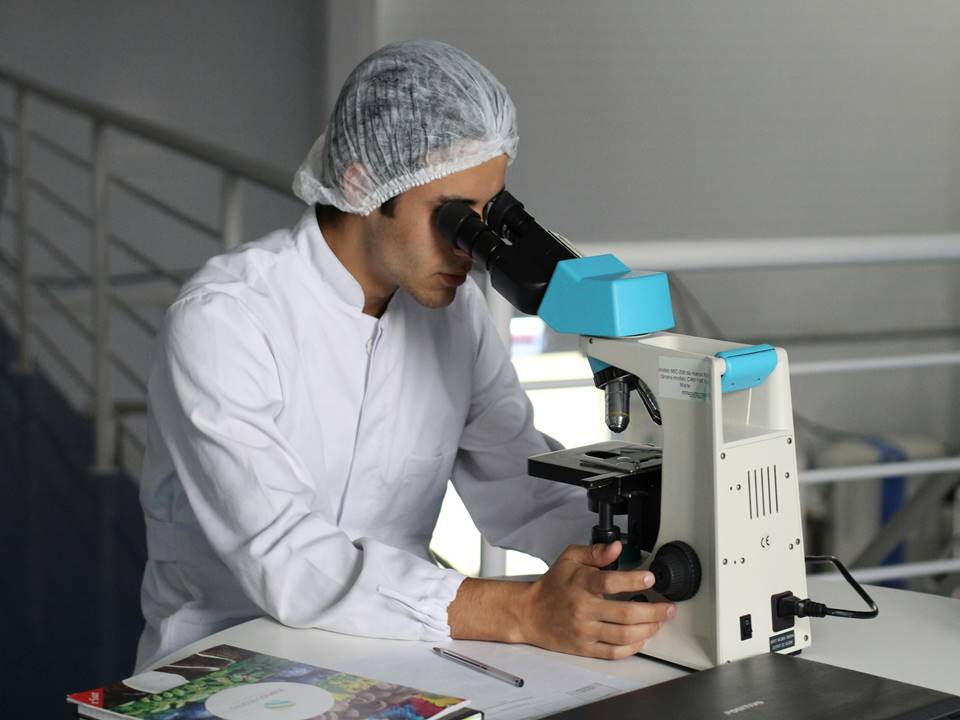
Diagnosing jaundice involves determining why bilirubin has increased. A doctor will usually begin with a detailed medical history and physical examination, including examination of the skin and sclera.
Blood tests commonly include total and direct bilirubin, ALT, AST, alkaline phosphatase and other liver-related tests. Additional tests may be performed for suspected viral hepatitis, autoimmune disease, hemolysis, or other conditions [3].
Imaging may be necessary when bile duct obstruction is suspected. Abdominal ultrasound is commonly used as an initial imaging test, while CT, MRI/MRCP, or specialized endoscopic procedures may be required depending on the suspected cause. ERCP can sometimes both diagnose and treat certain bile duct obstructions, including stone removal or stent placement [4, 5].
A liver biopsy is not routinely required for every person with jaundice but may be considered when the diagnosis remains unclear or when particular liver diseases are suspected.
Treatment Approaches for Jaundice
There is no single treatment for jaundice because treatment depends on its underlying cause. In adults, the jaundice itself generally does not require separate treatment; instead, doctors treat the condition responsible for bilirubin accumulation.
Treatment may include:
Treating liver disease
Viral hepatitis, autoimmune liver disease, alcohol-related liver disease, and other hepatic disorders require condition-specific treatment. In selected cases, antiviral medications or other prescription therapies may be necessary.
Reviewing medications
If a medication, supplement, herbal product, or toxin is suspected of causing liver injury, a doctor may recommend stopping or changing the responsible substance. This should be done under appropriate medical guidance rather than through self-medication.
Treating bile duct obstruction
Gallstones causing obstruction may require procedures or surgery. Depending on the location and cause of the obstruction, endoscopic treatment such as ERCP with stone removal or stent placement may be used.
Phototherapy for newborns
Newborn jaundice is managed according to the infant’s bilirubin concentration, age in hours, gestational age, and other risk factors. Phototherapy is widely used when bilirubin reaches the appropriate treatment threshold.
Lifestyle measures
Avoiding alcohol is particularly important in people with alcohol-related liver disease. Adequate nutrition and management of the underlying liver or metabolic condition may also be recommended. However, there is no universal “jaundice diet” or detox treatment that replaces medical evaluation.
When to See a Doctor – Red Flags
Jaundice should not automatically be considered harmless. New-onset jaundice in an adult warrants medical assessment, because it may indicate liver disease, biliary obstruction, hemolysis, infection, or another underlying disorder.
Seek urgent medical attention when jaundice is accompanied by:
- Severe or persistent abdominal pain
- High fever or chills
- Confusion, unusual sleepiness, or altered mental status
- Vomiting blood
- Black or bloody stools
- Easy bruising or unusual bleeding
- Severe weakness or deterioration
- Rapidly worsening jaundice
Fever combined with significant upper abdominal pain can be particularly concerning for acute cholangitis, an infection associated with biliary obstruction that requires prompt treatment.
Jaundice in newborns
Newborn jaundice requires special attention. Parents should seek medical advice if jaundice appears very early, becomes increasingly intense, the baby is difficult to wake, feeds poorly, or appears unwell. Jaundice that persists beyond the expected period should also be evaluated rather than managed solely at home.
Importantly, newborn jaundice should not be treated by exposing a baby to direct sunlight as a substitute for medical phototherapy. Treatment decisions should be based on bilirubin measurements and clinical assessment.
Prevention Tips
Not every cause of jaundice can be prevented, particularly inherited conditions such as Gilbert syndrome. However, several measures can reduce the risk of some causes.
Vaccination against hepatitis A and hepatitis B can help prevent these viral infections. Hepatitis A vaccination is an important preventive measure, particularly for people for whom vaccination is recommended, while hepatitis B vaccination is an effective method of preventing hepatitis B infection [5, 6].
Other preventive strategies include:
- Limiting or avoiding excessive alcohol consumption
- Practicing safe food and hand hygiene to reduce hepatitis A transmission
- Avoiding sharing needles or personal items that may carry blood
- Following safe practices for tattoos and body piercing
- Using medicines and supplements responsibly
- Attending regular medical checkups when living with liver disease or other risk factors
Doctor’s Takeaway: Understanding Jaundice
Jaundice is more than simply a change in skin or eye color. Liver disease, excessive red blood cell breakdown, and bile duct obstruction are among the major mechanisms behind Jaundice. Newborn jaundice also deserves careful assessment because very high bilirubin levels can be harmful.
References
- Merck Manual Professional Edition. Jaundice. Updated August 2025.
- Merck Manual Consumer Version. Jaundice in Adults.
- Merck Manual Professional Edition. Evaluation of the Patient With a Liver Disorder.
- Centers for Disease Control and Prevention (CDC). Hepatitis A Prevention and Control. 2025.
- Centers for Disease Control and Prevention (CDC). Hepatitis B Vaccine. 2025.
- American Academy of Pediatrics. Phototherapy to Prevent Severe Neonatal Hyperbilirubinemia.