

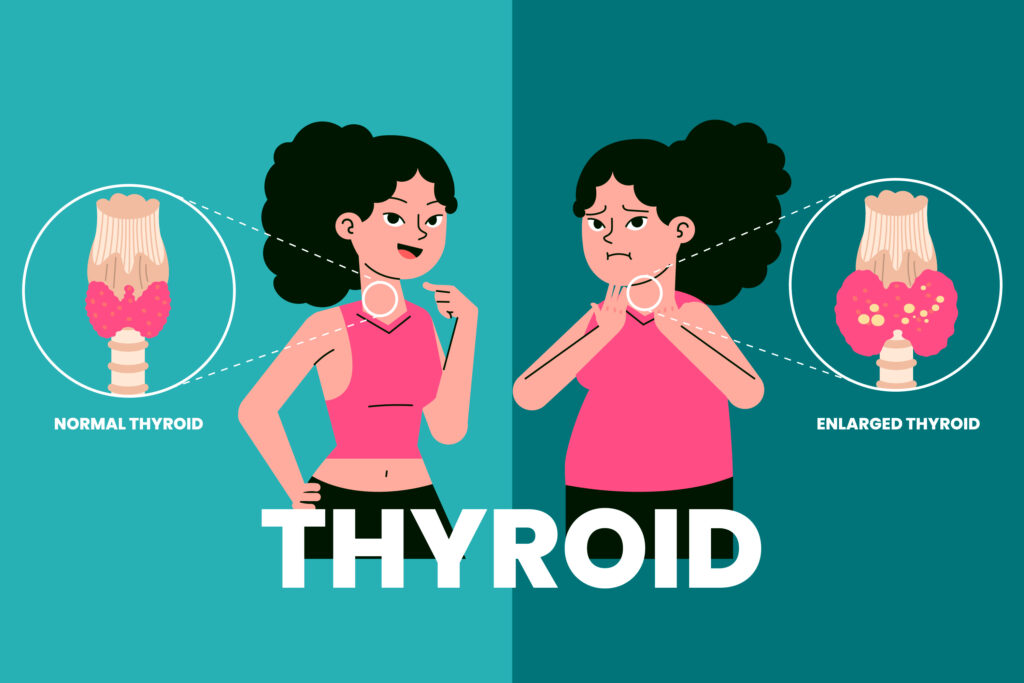
The thyroid is a small butterfly-shaped gland, but it help regulate metabolism, energy production, body temperature, heart function, and many other physiological processes. Proper thyroid function depends on several factors, including adequate nutrition. While no vitamin or mineral can replace prescribed thyroid treatment, deficiencies in certain micronutrients may affect thyroid hormone production, metabolism, or overall wellbeing [1].
Common nutrients such as selenium, zinc, magnesium, vitamin D, vitamin B12, and iron will be as good choice for thyroid management. However, it is important to understand that supplementation should not be considered a universal treatment for thyroid disease. Current evidence generally supports correcting documented nutritional deficiencies rather than taking high-dose supplements indiscriminately [2].
1. Selenium
Selenium is one of the most extensively studied trace minerals in relation to thyroid health. The thyroid contains a relatively high concentration of selenium because several important enzymes involved in thyroid hormone metabolism are selenium-dependent. These enzymes include deiodinases, which participate in the conversion and metabolism of thyroid hormones.
Selenium also contributes to antioxidant defense. The thyroid gland naturally produces oxidative compounds during thyroid hormone synthesis, and antioxidant enzymes containing selenium may help protect thyroid tissue from excessive oxidative stress [3].
Reseacrh studies have investigated selenium supplementation in people with autoimmune thyroid conditions, including Hashimoto’s thyroiditis. Although some research has reported changes in thyroid antibody levels, the overall evidence is not sufficient to recommend routine selenium supplementation for everyone with hypothyroidism [2,4].

2. Zinc and Magnesium
Zinc
Zinc is involved in numerous biological processes, including immune function, enzyme activity, protein synthesis, and cellular metabolism. It also has a role in thyroid hormone production and metabolism. Research suggests that zinc status may influence thyroid hormone regulation, although the benefits of zinc supplementation depend largely on an individual’s nutritional status [3].
Magnesium
Magnesium is essential for hundreds of enzymatic reactions in the body and plays an important role in energy metabolism, muscle function, nerve function, and bone health. Magnesium deficiency has been associated with several health problems, and some observational research has explored its relationship with autoimmune thyroid disorders.
However, evidence showing that magnesium supplements directly improve thyroid function remains limited. Therefore, magnesium should not be promoted as a treatment for hypothyroidism or hyperthyroidism [5].

3. Vitamin D
Vitamin D is best known for its role in calcium absorption and bone health, but it also has important effects on immune regulation. Several observational studies have reported an association between low vitamin D levels and autoimmune thyroid diseases, including Hashimoto’s thyroiditis.
However, an association does not necessarily prove that vitamin D deficiency causes thyroid disease. Clinical trials examining vitamin D supplementation and thyroid outcomes have produced mixed results. Therefore, vitamin D supplementation should primarily be used to correct deficiency or meet established medical requirements rather than as a standalone treatment for thyroid disorders [5].
Vitamin D levels can be assessed through a blood test when clinically appropriate. Sunlight exposure, fortified foods, egg yolk, and fatty fish can contribute to vitamin D status. Supplementation should be based on individual requirements and medical advice.
4. Vitamin B12
Vitamin B12 is essential for normal red blood cell formation, nerve function, and DNA synthesis. B12 deficiency may cause symptoms such as fatigue, weakness, numbness or tingling, and cognitive difficulties. Some of these symptoms may overlap with symptoms experienced by people with hypothyroidism.
Vitamin B12 deficiency can occur because of inadequate dietary intake, poor absorption, certain gastrointestinal conditions, or other medical factors. People following strict vegetarian or vegan diets may require particular attention to B12 intake.
5. Iron and Ferritin
Iron is another important nutrient for thyroid health. Iron-dependent enzymes are involved in several metabolic processes, including thyroid hormone synthesis. Low iron stores may potentially affect normal thyroid physiology.
Ferritin is a protein that stores iron and is commonly measured to help assess iron stores. Low ferritin may indicate depleted iron reserves, although results should always be interpreted in the context of other clinical findings and laboratory tests.
Iron deficiency can cause fatigue, weakness, reduced exercise tolerance, and difficulty concentrating. These symptoms may overlap with hypothyroidism, making proper medical evaluation important [1].

When to Consult a Doctor
You should consult a doctor if you experience persistent symptoms such as unexplained fatigue, significant weight changes, intolerance to cold or heat, hair loss, persistent constipation, palpitations, neck swelling, or changes in menstrual patterns.
A healthcare professional may recommend appropriate investigations. The American Thyroid Association notes that TSH is commonly used as an initial test of thyroid function, with additional tests such as free T4 used when clinically indicated [6]. Depending on symptoms and medical history, nutritional tests such as ferritin, vitamin B12, or vitamin D may also be considered.
Do not self-diagnose thyroid disease based solely on symptoms. Blood tests are important because many symptoms of thyroid dysfunction can occur in other health conditions as well.
Lifestyle Management for Thyroid Health
A healthy lifestyle can support overall wellbeing and nutritional status. Focus on a balanced diet containing vegetables, fruits, legumes, whole grains, adequate protein, nuts, seeds, and appropriate sources of vitamins and minerals.
Regular physical activity can support cardiovascular fitness, muscle health, mood, and weight management. Adequate sleep and stress management are also important for overall health.
Avoid using unregulated products marketed as “thyroid boosters” or “thyroid support” without professional advice. Some supplements may contain excessive iodine or other ingredients that could negatively affect thyroid function. Importantly, micronutrient supplements should not replace prescribed thyroid medication [2,7].
Bottom Line
Micronutrients involved in various aspects of metabolism and overall health, and several have biological connections with thyroid function. People with diagnosed hypothyroidism or other thyroid disorders should continue prescribed treatment and consult their doctor before starting high-dose vitamin or mineral supplements.
References
- American Thyroid Association. Hypothyroidism: Adult Hypothyroidism.
- Jonklaas J, et al. Guidelines for the Treatment of Hypothyroidism: Prepared by the American Thyroid Association Task Force on Thyroid Hormone Replacement. Thyroid. 2014.
- Khudair A, Beyond thyroid dysfunction: the systemic impact of iodine excess. Front Endocrinol (Lausanne). 2025.
- Garber JR, et al. Clinical Practice Guidelines for Hypothyroidism in Adults. Endocrine Practice. 2012.
- Diet in Thyroid Disorders: A Survey among Clinicians and a Review of the Current Perspective. Nutrients. 2024.
- American Thyroid Association. Thyroid Function Tests.
- American Thyroid Association. Complementary and Alternative Medicine in Thyroid Disease.