


What is Selenium?
Selenium is an essential mineral that plays a important role in maintaining overall health and it is necessary for many biological processes, including antioxidant defense, thyroid hormone metabolism, immune function, reproduction, and cardiovascular health.
Selenium must be received through diet or supplements when medically necessary because the human body is unable to manufacture it. Significant health issues can result from a selenium deficit, and excessive consumption can also be hazardous. For long-term health and wellbeing, it is crucial to maintain an ideal selenium status.
Why Is Selenium Important for the Body?
Selenium serves as a key component of several enzymes and proteins that protect cells from oxidative stress. It works alongside other antioxidants, such as Vitamin E, to neutralize harmful free radicals generated during normal metabolism and environmental exposure.
Selenium also supports thyroid function by helping convert the inactive thyroid hormone thyroxine (T4) into its active form, triiodothyronine (T3). This makes selenium one of the most important micronutrients for thyroid health.
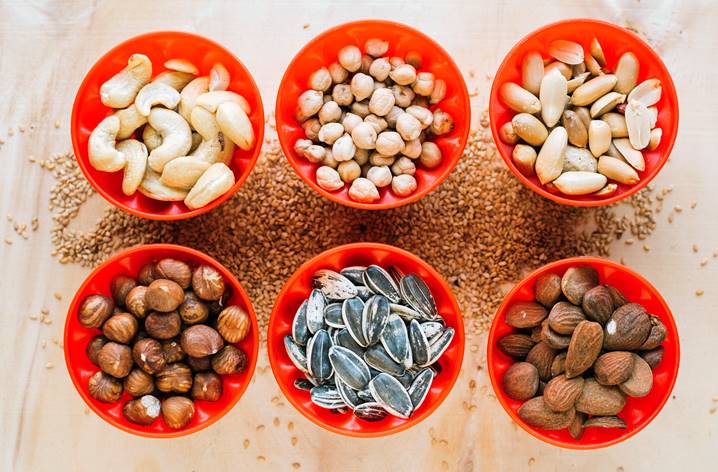
Important health Benefits of Selenium
1. Powerful Antioxidant Protection
One of selenium’s most important functions is its role in antioxidant defense. Selenium is a component of glutathione peroxidase, a family of antioxidant enzymes that protect cells against oxidative damage caused by free radicals.
Oxidative stress has been linked to aging and the development of various chronic diseases, including cardiovascular disease, neurodegenerative disorders, and certain cancers. By supporting antioxidant enzyme activity, selenium helps maintain cellular integrity and reduce oxidative damage.
A review published in The Lancet highlighted selenium’s role in antioxidant protection and its importance in maintaining cellular health (Rayman, 2012).
2. Selenium and Thyroid Health
The thyroid gland contains higher concentrations of selenium than almost any other organ in the body. Selenium-dependent enzymes are essential for thyroid hormone production and metabolism.
Research suggests that adequate selenium intake may support individuals with autoimmune thyroid disorders such as Hashimoto’s thyroiditis. Several clinical studies have shown that selenium supplementation can reduce thyroid peroxidase antibody levels in some patients with autoimmune thyroid disease.
A systematic review published in Thyroid reported that selenium may help improve thyroid-related biomarkers, although more long-term studies are needed to establish definitive clinical recommendations.

3. Strengthening the Immune System
Selenium plays a significant role in supporting both innate and adaptive immunity. It helps regulate immune cell activity and contributes to the body’s ability to respond effectively to infections.
Studies have found that selenium deficiency can impair immune responses, while adequate selenium levels help enhance the activity of T-cells, natural killer cells, and other immune defenses.
Research published in the American Journal of Clinical Nutrition demonstrated that selenium supplementation improved immune responses and enhanced resistance to certain viral infections in selenium-deficient individuals.
4. Supporting Heart Health
Selenium contributes to cardiovascular health through its antioxidant and anti-inflammatory properties. By reducing oxidative stress and inflammation, selenium may help protect blood vessels and heart tissues from damage.
Historically, severe selenium deficiency has been associated with Keshan disease, a potentially fatal form of cardiomyopathy first identified in selenium-deficient regions of China.
While adequate selenium intake supports heart health, current evidence does not support high-dose selenium supplementation for preventing cardiovascular disease in healthy individuals. Maintaining recommended dietary intake remains the safest strategy.

5. Selenium and Brain Health
The brain retains selenium even during periods of deficiency, highlighting its importance for neurological function. Selenium-containing enzymes help protect brain cells from oxidative damage and support normal cognitive function.
Some studies suggest that low selenium levels may be associated with cognitive decline and poorer memory performance in older adults. Research continues to investigate selenium’s potential role in neurodegenerative diseases such as Alzheimer’s disease and Parkinson’s disease.
Although evidence remains emerging, maintaining adequate selenium intake appears important for healthy brain aging.
6. Male Fertility and Reproductive Health
Selenium is essential for reproductive function, particularly in men. It contributes to sperm development, motility, and protection against oxidative damage.
Several studies have reported that selenium deficiency may negatively affect sperm quality and fertility. Selenium-containing enzymes help maintain the structural integrity of sperm cells and support reproductive health.
Adequate selenium intake is therefore considered important for both male and female reproductive function.
7. Selenium and Cancer Research
Researchers have extensively studied selenium for its potential role in cancer prevention. Laboratory studies suggest that selenium may help protect DNA from oxidative damage and support normal cellular repair mechanisms.
However, large clinical trials have produced mixed results. The Selenium and Vitamin E Cancer Prevention Trial (SELECT) found no significant reduction in prostate cancer risk with selenium supplementation among healthy men.
Current evidence does not support taking high-dose selenium supplements solely for cancer prevention. Meeting recommended dietary requirements remains the preferred approach.
Best Food Sources Rich in Selenium
The selenium content of foods varies depending on soil selenium levels. However, several foods consistently provide excellent amounts of this essential mineral.
Rich dietary sources include:
- Brazil nuts
- Tuna
- Sardines
- Salmon
- Shrimp
- Eggs
- Chicken
- Turkey
- Beef
- Brown rice
- Whole grains
- Sunflower seeds
- Mushrooms
- Dairy products
Brazil nuts are among the richest natural sources, with a single nut often providing more than the daily selenium requirement.
How Much Selenium Do You Need?
According to the National Institutes of Health (NIH), the Recommended Dietary Allowance (RDA) for selenium is:
- Infants (0-6 months): 15 mcg/day
- Infants (7-12 months): 20 mcg/day
- Children (1-3 years): 20 mcg/day
- Children (4-8 years): 30 mcg/day
- Children (9-13 years): 40 mcg/day
- Adults (14 years and older): 55 mcg/day
- Pregnant women: 60 mcg/day
- Breastfeeding women: 70 mcg/day
Most healthy adults can achieve these requirements through a balanced diet.
Selenium Deficiency: Symptoms and Health Risks
Selenium deficiency is uncommon in many parts of the world but may occur due to poor dietary intake, digestive disorders, or long-term dependence on parenteral nutrition.
Potential symptoms include:
- Fatigue
- Muscle weakness
- Weakened immunity
- Hair loss
- Fertility problems
- Cognitive difficulties
- Thyroid dysfunction
Severe deficiency may contribute to Keshan disease and Kashin-Beck disease, conditions associated with heart and joint abnormalities.
Can Too Much Selenium Be Harmful?
Excessive selenium intake can cause a condition known as selenosis. Symptoms may include:
- Nausea
- Diarrhea
- Brittle nails
- Hair loss
- Garlic-like breath odor
- Skin rash
- Nervous system abnormalities
The tolerable upper intake level for adults is 400 mcg per day. Selenium supplements should only be taken according to medical advice.
Bottom Line
Selenium is essential mineral that supports antioxidant protection, thyroid hormone metabolism, immune function, heart health, reproductive health, and cognitive well-being. While deficiency can lead to significant health problems, excessive supplementation may be harmful. For most individuals, obtaining selenium through a balanced diet rich in seafood, eggs, whole grains, and Brazil nuts is the safest and most effective way to maintain optimal selenium status.