

Paracetamol, also known as acetaminophen, is one of the most commonly used medicines for pain and fever. Generally, it is considered safe when taken according to the recommended dose.
However, taking too much, especially from multiple medicines containing paracetamol, can cause serious liver injury and, in severe cases, acute liver failure. Understanding safe limits, early warning signs, and when to seek medical attention can help prevent accidental poisoning or liver toxicity. [1,2]
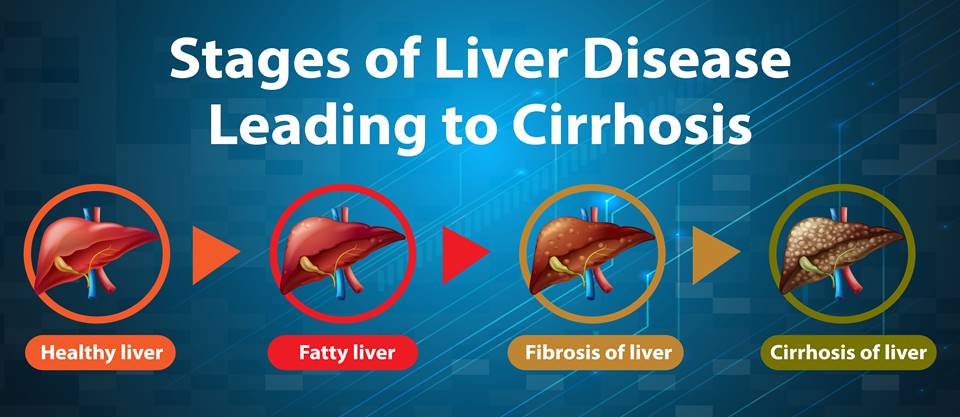
What Is Paracetamol-Induced Liver Toxicity?
Paracetamol-induced liver toxicity occurs when the liver is frequently exposed to more paracetamol. Normally, most of the medicine is broken down (metablized) through safe metabolic pathways. A small amount is converted into a reactive compound called NAPQI. This substance is normally neutralized by glutathione, a protective antioxidant in the liver.
During an overdose, the normal pathways become overwhelmed and more NAPQI is produced. When glutathione stores become depleted, NAPQI can damage liver cells, potentially causing acute liver injury or liver failure. [3]
The toxicity is influenced by the high dose, timing, repeated dosing, nutritional status, alcohol consumption, existing liver disease, and certain medications. Importantly, serious toxicity can occasionally occur at doses below the commonly mentioned maximum dose, particularly in people with existing health risks like diabetes, kidney issues or cardiac issues, etc. [2,3]
How Much Paracetamol Causes Liver Damage?
For adults and children aged 12 years and older, the U.S. FDA states that the total amount of acetaminophen should not exceed 4,000 mg (4 g) in 24 hours from all medicines combined. This is a maximum limit, not a target dose. [1]
A toxic dose cannot be predicted from one number for every person. A 2025 consensus guideline recommends medical assessment after certain potentially toxic exposures, including 10 g or 200 mg/kg (whichever is lower) within 24 hours, and lower cumulative thresholds for repeated excessive dosing over multiple days. [4]
Historically, acute single ingestions of around 10-15 g in adults have been associated with hepatotoxicity, although individual susceptibility varies. [5] Therefore, someone should not wait for symptoms before seeking medical advice after a suspected overdose.
For children, dosing is weight-based and differs according to age and formulation. Parents and caregivers should follow the specific product label or a healthcare professional’s instructions rather than applying adult limits.
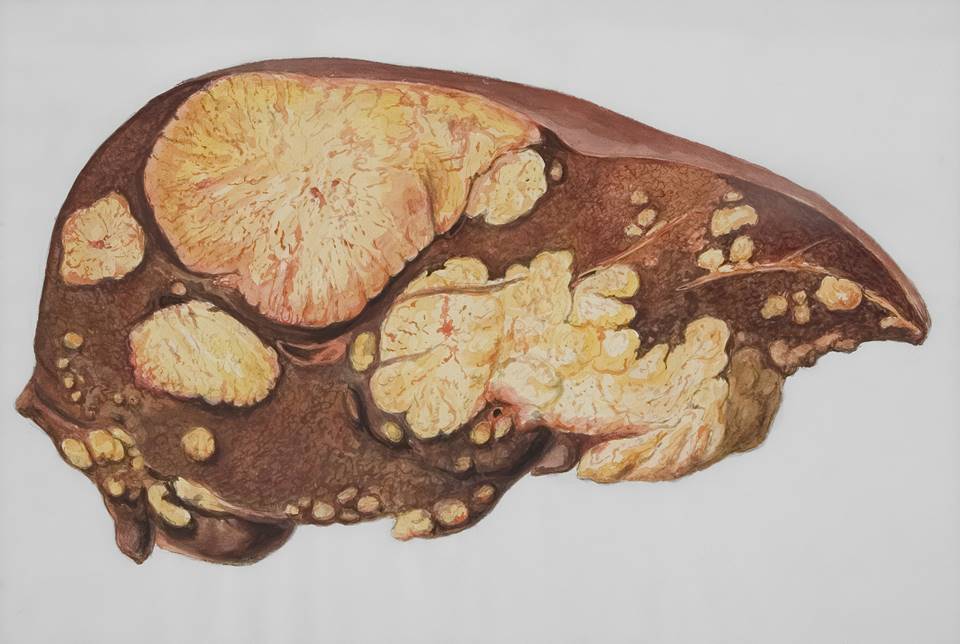
Why Paracetamol Overdose Symptoms Are Easy to Miss
One of the most concerning features of paracetamol poisoning is that a person may initially feel relatively well.
According to the FDA (Food and Drug Administration), some people have no symptoms immediately after an overdose, while others may develop nausea, vomiting, abdominal discomfort, or general weakness. More serious liver-related symptoms may appear later. [2]
The progression can occur in stages:
- First 24 hours: nausea, vomiting, loss of appetite, sweating, abdominal discomfort, or no obvious symptoms.
- 24-72 hours: liver injury may become more apparent through blood-test abnormalities and increasing abdominal symptoms.
- 72-96 hours: severe cases may develop jaundice, confusion, bleeding problems, metabolic abnormalities, or acute liver failure.
- Recovery phase: people who receive appropriate treatment may gradually recover, while severe untreated cases can require intensive care or liver transplantation. [2,3,5]
Because symptoms can be delayed, feeling normal after taking too much paracetamol does not reliably mean that the liver is safe.

Ary Pura on unplash
Warning Signs of Paracetamol Overdose
Possible symptoms include:
- Nausea or repeated vomiting
- Abdominal pain, particularly upper abdominal discomfort
- Loss of appetite
- Excessive sweating
- Unusual tiredness or weakness
- Yellowing of the skin or eyes
- Dark-colored urine
- Pale or clay-colored stools
- Confusion or unusual drowsiness
- Easy bleeding or bruising
Jaundice, confusion, persistent vomiting, severe abdominal pain, or other signs of serious illness require urgent medical assessment. [2,5]
Importantly, laboratory testing is often more useful than symptoms alone. Doctor’s or Healthcare professionals may measure blood paracetamol concentration and liver-related tests such as ALT, AST, bilirubin, and coagulation parameters.

When Should You See a Doctor?
Seek urgent medical attention if feel serious symptoms mentioned above or you think you have taken more paracetamol than recommended.
Medical evaluation is particularly important when:
- The amount taken is unknown.
- Several paracetamol-containing medicines were used.
- A large amount was taken at one time.
- Excessive doses were taken repeatedly over several days.
- The person has liver disease or significant alcohol exposure.
- A child may have received an incorrect dose.
- Symptoms such as vomiting, abdominal pain, jaundice, confusion, or unusual sleepiness develop.
Healthcare professionals can determine whether blood testing and treatment are necessary. N-acetylcysteine (NAC) is the specific antidote used for significant paracetamol poisoning. Notably, American Association for the Study of Liver Diseases indicates that early treatment, particularly within the first several hours, substantially reduces the risk of serious liver injury. NAC can still be beneficial when treatment begins later, so suspected overdose should never be ignored because several hours have passed. [3]
Warning: Do not attempt to treat a suspected overdose at home with additional medicines or supplements unless specifically instructed by a healthcare professional.
Practical Rules to Prevent Paracetamol Toxicity
Preventing accidental overdose is usually easier than recognizing toxicity after it occurs.
1. Check every medicine’s active ingredients.
Paracetamol may be included in painkillers, cold and flu preparations, prescription combinations, and other products. Taking two products containing paracetamol can unintentionally increase the total daily dose. [1,2]
2. Add up the total daily amount.
Do not calculate the dose from one medicine alone. Consider the total amount of paracetamol from every product taken during the same 24-hour period.
3. Follow the product label.
More medicine does not necessarily provide greater pain relief and can increase the risk of liver toxicity.
4. Use weight-based dosing for children.
Children should receive the formulation and dose appropriate for their age and body weight. Never assume that an adult tablet is appropriate for a child.
5. Be cautious with alcohol and liver disease.
People with liver disease or substantial alcohol consumption should discuss paracetamol use and appropriate dosing with a healthcare professional. [1,3]
6. Keep a medication record.
When treating fever or pain, recording the time and amount of each dose can help prevent accidentally taking another dose too soon.
Bottom Line
Paracetamol is an effective and widely used medicine, but too much can cause potentially life-threatening liver damage. The most important safety message is that paracetamol overdose can initially cause few or no symptoms. If you suspect that you have taken too much, must consult with healthcare professionals. Timely medical assessment and management can significantly reduce the risk of severe liver injury.
References
- U.S. Food and Drug Administration (FDA). Acetaminophen: What You Should Know About Using Acetaminophen Safely.
- U.S. Food and Drug Administration (FDA). Don’t Overuse Acetaminophen.
- American Association for the Study of Liver Diseases (AASLD). AASLD Practice Guidance on Drug, Herbal, and Dietary Supplement-Induced Liver Injury.
- Dart et al. Out-of-hospital assessment and triage of paracetamol exposure in the United States and Canada: a consensus guideline. Clinical Toxicology. 2025.
- FDA Prescribing Information. Acetaminophen Injection Clinical Pharmacology and Overdosage Information.