

Migraines can affect daily life, work, sleep, and overall well-being, making effective prevention an important goal. Certain supplements may help reduce migraine frequency or severity in some people along with lifestyle changes.
However, the evidence varies significantly between nutrients and compounds. Magnesium and riboflavin have stronger research support, while CoQ10, vitamin D, omega-3s, and melatonin show varying levels of evidence and may benefit specific individuals.

Key Health Supplements
1. Magnesium
What does magnesium have to do with migraine?
- Magnesium is involved in nerve function and energy production.
- Some research suggests people with migraine may have lower magnesium levels.
- Researchers have proposed several mechanisms by which magnesium could influence migraine pathways.
Does magnesium actually work?
- Summarize the clinical evidence.
- Explain that studies suggest magnesium may reduce migraine frequency in some people, but the evidence is not definitive.
- Mention that it may be particularly relevant for some people with migraine with aura or menstrual migraine.
How much magnesium should you take?
A healthcare professional may recommend a specific dose based on your health, medications, and dietary intake.
Research suggests magnesium doses in the range of 400–600 mg/day in migraine prevention but also emphasizes medical guidance and potential gastrointestinal side effects [2], [3]

2. Riboflavin (Vitamin B2)
Why is vitamin B2 being studied for migraine?
- Explain riboflavin’s role in cellular energy production.
- Briefly introduce the theory that mitochondrial dysfunction may contribute to migraine.
What does the research show?
- Discuss clinical studies of high-dose riboflavin.
- Explain that research suggests it may reduce migraine frequency and severity in some adults.
- Make clear that it is a preventive strategy, not an acute painkiller.
Is riboflavin safe?
- Generally well tolerated.
- High-dose supplementation can cause bright-yellow urine.
- People should still discuss supplementation with a healthcare professional.
Research studies currently describes higher dose commonly used migraine-prevention dose in clinical practice while emphasizing professional guidance [4], [5]

3. Coenzyme Q10 (CoQ10)
What is CoQ10?
- Explain that CoQ10 is naturally produced by the body.
- It participates in cellular energy production and has antioxidant functions.
Can CoQ10 prevent migraine?
- Summarize clinical evidence.
- Explain that some studies suggest reductions in migraine frequency, duration or severity.
- Emphasize that the evidence base is smaller than for some established migraine treatments.
What should you know before taking it?
- Discuss possible gastrointestinal side effects.
- Mention the possibility of medication interactions.
- Encourage medical advice before use.
CoQ10 among supplements studied for migraine prevention but notes that more research is needed [6], [7]
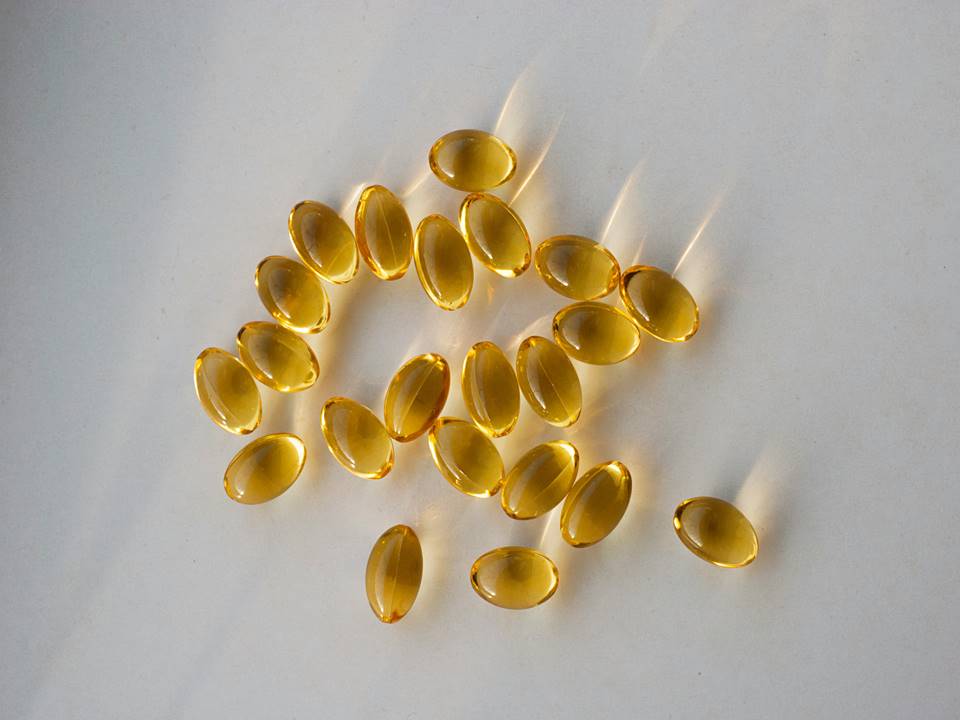
4. Omega-3 Fatty Acids: EPA and DHA
Why might omega-3s help?
- Explain EPA and DHA’s role in cell membranes and inflammatory signaling.
- Give the biological rationale for studying them in migraine.
What does the evidence show?
- Discuss clinical studies examining omega-3 supplementation.
- Clearly distinguish theoretical benefits from proven migraine prevention.
- Explain that evidence is not as established as it is for magnesium or riboflavin.
Food sources
Briefly mention fatty fish and other dietary sources [8], [9]

5. Vitamin D
Is low vitamin D linked to migraine?
- Explain that observational studies have reported an association between vitamin D status and migraine in some populations.
- Make the important distinction between association and causation.
Can vitamin D supplements prevent migraine?
- Review intervention evidence.
- State that evidence is still developing.
- Explain that people with confirmed vitamin D deficiency may have a different clinical situation from someone taking vitamin D without deficiency.
Safety
- Warn against unnecessarily high doses.
- Excessive vitamin D can cause toxicity [10], [11]

6. Melatonin
Why might sleep matter?
- Migraine and disrupted sleep can influence one another.
- Melatonin regulates the sleep-wake cycle.
What does research show?
- Explain that melatonin has been studied for migraine prevention.
- Avoid saying that it is a proven treatment for everyone.
- Discuss why it might be particularly relevant to people with sleep or circadian problems.
Possible side effects
- Drowsiness
- Dizziness
- Changes in sleep patterns
- Potential medication interactions
WebMD includes melatonin among supplements studied for migraine, while acknowledging that evidence is limited [12], [13]
Which Supplement Has the Best Evidence?
Instead of declaring a single “best” supplement, explain:
| Supplement | What research suggests |
| Magnesium | May help prevent migraine |
| Riboflavin (B2) | Promising evidence for prevention |
| CoQ10 | May reduce migraine frequency |
| Omega-3 EPA/DHA | Evidence remains less consistent |
| Vitamin D | May be relevant particularly with deficiency |
| Melatonin | May have a role, particularly with sleep-related issues |
How to Combine Supplements Safely
Don’t start several supplements at once
Explain that taking multiple products simultaneously makes it difficult to determine:
- Which supplement is helping
- Which one is causing side effects
- Whether the combination is interacting with medication
Keep a migraine diary
Recommend tracking:
- Number of migraine days
- Severity
- Duration
- Sleep
- Food and hydration
- Menstrual cycle, when relevant
- Supplement use
Talk to your healthcare professional
Particularly if taking prescription medicines or managing another medical condition.

When Should You Talk to a Doctor About Migraines?
Explain that supplements shouldn’t delay proper diagnosis or treatment.
See a healthcare professional if:
- Migraines are becoming more frequent.
- Headaches interfere with daily activities.
- Current treatment isn’t working.
- You need preventive treatment.
- You are pregnant or breastfeeding.
- You take several medications.
- You have another chronic medical condition.
Seek urgent medical attention
Include red flags such as:
- Sudden, extremely severe headache
- New weakness or numbness
- Confusion
- Fainting
- New vision problems
- Fever and stiff neck
- A major change in your usual headache pattern
Bottom Line
Several supplements have been studied for migraine prevention, but they don’t all have the same level of evidence. Magnesium, riboflavin and CoQ10 have some of the more established research, while evidence for omega-3s, vitamin D and melatonin is less certain or may apply to specific groups. Talk with your healthcare professional before starting a supplement.
References
- American Headache Society. The American Headache Society position statement on integrating new migraine treatments into clinical practice. Headache. 2024.
- Von Luckner A, Riederer F. Magnesium in migraine prophylaxis-Is there an evidence-based rationale? A systematic review. Headache. 2018;58(2):199-209. PMID: 29131326.
- Peikert A, Wilimzig C, Kohne-Volland R. Prophylaxis of migraine with oral magnesium: Results from a prospective, multicenter, placebo-controlled and double-blind randomized study. Cephalalgia. 1996;16(4):257-263.
- Schoenen J, Jacquy J, Lenaerts M. Effectiveness of high-dose riboflavin in migraine prophylaxis. A randomized controlled trial. Neurology. 1998;50(2):466-470. PMID: 9484373.
- Riboflavin supplementation for migraine prophylaxis: A systematic review and dose-response meta-analysis. Clinical Nutrition. 2026.
- Gültekin M, et al. Coenzyme Q10 supplementation for prophylaxis of migraine in adults: A systematic review and meta-analysis. Clinical Nutrition. 2019. PMID: 30727862.
- Liao Y, et al. Efficacy of coenzyme Q10 in migraine prophylaxis: A systematic review and meta-analysis. Journal of Clinical Pharmacy and Therapeutics. 2021. PMID: 33402403.
- Maghsoudi Z, et al. Omega-3 fatty acids supplementation and migraine: A systematic review and meta-analysis of randomized controlled trials. Clinical Nutrition. 2017. PMID: 28665211.
- Omega-3 polyunsaturated fatty acids supplementation in chronic migraine: A systematic review and meta-analysis. 2025. PMID: 39823374.
- Ghorbani Z, et al. Vitamin D supplementation and migraine: A systematic review and meta-analysis. Nutrients. 2021. PMID: 34879503.
- Vitamin D and migraine: A scoping review of current evidence. 2025/2026. PMID: 41233294.
- Melatonin for migraine prevention: A systematic review of randomized controlled trials. 2024. PMID: 39606511.
- Efficacy and safety of melatonin for migraine prevention: A systematic review and meta-analysis. 2026. PMID: 41627537.