


What is Arjuna Chaal (Terminalia arjuna)?
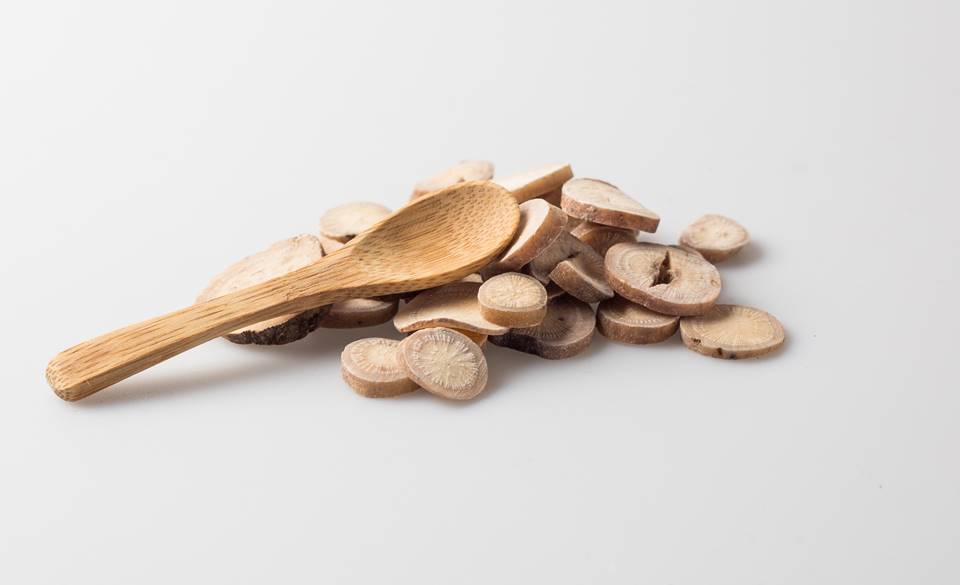
Arjuna Chaal refers to the bark of Terminalia arjuna, a large evergreen tree belonging to the Combretaceae family. Native to India and widely distributed throughout the Indian subcontinent, the tree has been an integral part of Ayurvedic medicine for over 3,000 years.
Ancient Ayurvedic texts describe Arjuna as a “Hridya” herb, meaning it is particularly beneficial for the heart. The medicinal properties of Arjuna bark are attributed to its rich phytochemical composition, including triterpenoids, flavonoids, glycosides, tannins, saponins, phytosterols, and essential minerals such as calcium, magnesium, zinc, and copper.
Heart Disease
Heart disease remains the leading cause of death worldwide, accounting for nearly 18 million deaths annually. Rising rates of hypertension, high cholesterol, obesity, diabetes, and sedentary lifestyles have significantly increased cardiovascular risk across all age groups. While modern medicine offers effective treatments for heart disease, there is growing interest in traditional herbal remedies that may complement conventional approaches. Among these, Arjuna Chaal (Terminalia arjuna) stands out as one of Ayurveda’s most respected cardioprotective herbs.
For centuries, Ayurvedic practitioners have used Arjuna bark to strengthen the heart, improve circulation, and support overall cardiovascular health. Modern scientific research is increasingly validating many of these traditional claims, revealing multiple mechanisms through which Arjuna may benefit the heart and blood vessels.

How Arjuna Chaal Supports Heart Health
1. Powerful Antioxidant Protection
Arjuna bark contains polyphenols, flavonoids, tannins, and triterpenoids that help neutralize harmful free radicals and reduce oxidative stress. Experimental studies have shown that arjunolic acid protects cardiac tissue against oxidative damage by enhancing endogenous antioxidant defenses and reducing lipid peroxidation (Kapoor et al., Journal of Ethnopharmacology, 2014). Research further suggests that Arjuna’s antioxidant activity may help prevent oxidative injury associated with atherosclerosis and ischemic heart disease (Amalraj & Gopi, Journal of Traditional and Complementary Medicine, 2017).
2. Supports Healthy Heart Muscle Function
Clinical studies have demonstrated the cardiotonic effects of Terminalia arjuna. In patients with chronic stable angina, supplementation with Arjuna significantly improved exercise tolerance and reduced anginal episodes (Bharani et al., Journal of the Association of Physicians of India, 2002). Another clinical investigation reported improvements in cardiac function among patients with severe refractory heart failure following Arjuna administration (Bharani et al., International Journal of Cardiology, 1995).
3. Helps Maintain Healthy Blood Pressure
Evidence suggests that Arjuna may support healthy blood pressure by improving vascular relaxation and nitric oxide availability. According to a review published in the Journal of Traditional and Complementary Medicine (Dwivedi & Chopra, 2014), Arjuna exhibits vasodilatory properties that may contribute to improved vascular function and blood pressure regulation.
4. Supports Healthy Cholesterol Levels
Several studies have reported beneficial effects of Arjuna on lipid metabolism. Supplementation has been associated with reductions in total cholesterol, LDL cholesterol, and triglycerides while supporting healthy HDL levels (Gupta et al., Phytotherapy Research, 2012). These effects may help reduce cardiovascular risk and slow the progression of atherosclerosis.
5. Anti-Inflammatory Benefits
Inflammation is a major contributor to cardiovascular disease progression. Research published in the Journal of Traditional and Complementary Medicine demonstrated that Arjuna’s bioactive compounds can suppress inflammatory mediators such as TNF-α and pro-inflammatory cytokines, thereby protecting cardiovascular tissues (Amalraj & Gopi, 2017).
6. Supports Endothelial Function
Healthy endothelial function is essential for maintaining vascular health and blood flow. Scientific reviews indicate that the antioxidant compounds in Arjuna may improve endothelial function by reducing oxidative stress and enhancing nitric oxide bioavailability (Kapoor et al., Journal of Ethnopharmacology, 2014). Improved endothelial function may help preserve arterial flexibility and support overall cardiovascular health.
How to Use Arjuna Chaal
Arjuna Chaal is available in several forms, including powder (churna), capsules, tablets, extracts, and herbal teas.
Traditional Ayurvedic practice commonly recommends boiling Arjuna bark powder in water or milk to prepare a decoction. Modern supplements typically provide standardized extracts for convenient dosing.
Common supplemental doses used in clinical studies range from 500 mg to 3 grams daily, depending on the preparation and intended use. However, dosage should be individualized based on age, health status, and medical guidance.
Individuals taking medications for blood pressure, heart disease, or anticoagulation therapy should consult healthcare professionals before using Arjuna supplements, as herb-drug interactions may occur.
Pregnant and breastfeeding women should also seek medical advice before supplementation.
Bottom Line
Arjuna Chaal (Terminalia arjuna) is one of the most extensively studied Ayurvedic herbs for cardiovascular wellness. Traditional Ayurvedic wisdom is increasingly supported by modern scientific evidence demonstrating antioxidant, anti-inflammatory, cardiotonic, lipid-lowering, and vascular-protective properties.
Clinical research suggests that Arjuna may help support healthy heart muscle function, maintain normal blood pressure, improve cholesterol levels, protect against oxidative stress, and enhance endothelial health. While it should not replace prescribed medical treatment, Arjuna may serve as a valuable complementary strategy for promoting long-term cardiovascular health.
As heart disease continues to rise globally, integrating evidence-based traditional remedies such as Arjuna Chaal with healthy lifestyle practices and modern medical care may offer a holistic approach to supporting heart health and reducing cardiovascular risk.
References
- Bharani A, Ganguly A, Mathur LK, Jamra Y, Raman PG. Efficacy of Terminalia arjuna in chronic stable angina. Journal of the Association of Physicians of India. 2002;50:507-510.
- Bharani A, Ganguly A, Bhargava KD. Salutary effect of Terminalia arjuna in patients with severe refractory heart failure. International Journal of Cardiology. 1995;49(3):191-199.
- Dwivedi S. Terminalia arjuna Wight & Arn. A useful drug for cardiovascular disorders. Journal of Ethnopharmacology. 2007;114(2):114-129.
- Dwivedi S, Chopra D. Revisiting Terminalia arjuna An ancient cardiovascular drug. Journal of Traditional and Complementary Medicine. 2014;4(4):224-231.
- Kapoor D, Vijayvergia R, Dhawan V. Terminalia arjuna in coronary artery disease: Ethnopharmacology, pre-clinical, clinical and safety evaluation. Journal of Ethnopharmacology. 2014;155(2):1029-1045.
- Amalraj A, Gopi S. Medicinal properties of Terminalia arjuna and its therapeutic potential in cardiovascular diseases. Journal of Traditional and Complementary Medicine. 2017;7(1):65-78.
- Gupta R, Singhal S, Goyle A, Sharma VN. Antioxidant and hypolipidemic effects of Terminalia arjuna in cardiovascular disease management. Phytotherapy Research. 2012;26(10):1448-1455.
- Singh N, Sharma B. Cardioprotective effects of arjunolic acid and its therapeutic implications. Journal of Pharmacy and Pharmacology. 2018;70(8):1001-1012.
- This citation style (Author et al., Journal Name, Year) is preferred for evidence-based health blogs because it improves credibility while remaining reader-friendly and SEO optimize