

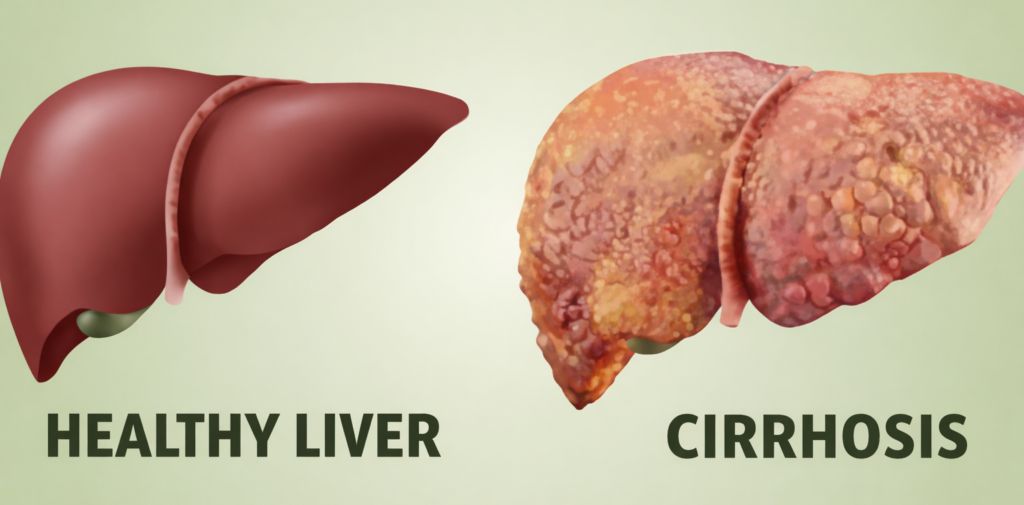
The liver is one of the most important organs in the human body, performing more than 500 vital functions including detoxification, metabolism, nutrient storage, hormone regulation, and bile production. However, modern lifestyles characterized by unhealthy diets, excessive alcohol consumption, obesity, environmental toxins, and medication overuse have contributed to a growing burden of liver diseases worldwide. Conditions such as non-alcoholic fatty liver disease (NAFLD), alcoholic liver disease, hepatitis, and liver fibrosis are becoming increasingly common.
Among the various natural remedies used to support liver health, Milk Thistle (Silybum marianum) is one of the most extensively researched medicinal plants. For more than 2,000 years, Milk Thistle has been used in traditional European medicine for liver and gallbladder disorders.
What is Milk Thistle (Silybum marianum)?
Milk Thistle is a flowering plant belonging to the Asteraceae family. Native to the Mediterranean region, it is now cultivated worldwide for its medicinal properties. The seeds and fruits of the plant contain a mixture of flavonolignans collectively known as silymarin, which is considered the primary bioactive component responsible for its therapeutic effects (Federico et al., World Journal of Gastroenterology, 2017).

How Milk Thistle/Silymarin Supports Liver Health
1. Powerful Antioxidant Protection Against Liver Damage
Oxidative stress plays a central role in the development and progression of liver diseases. Excessive free radical production can damage liver cells, impair mitochondrial function, and promote inflammation and fibrosis.
Silymarin is a potent antioxidant that directly scavenges free radicals while enhancing the body’s endogenous antioxidant defense systems. Studies have shown that silymarin increases glutathione levels, superoxide dismutase activity, and catalase activity, helping protect hepatocytes from oxidative injury (Surai, World’s Poultry Science Journal, 2015).
A comprehensive review published in the World Journal of Hepatology reported that silymarin significantly reduces lipid peroxidation and oxidative stress markers in various liver disorders, supporting liver cell survival and regeneration (Abenavoli et al., 2018).
2. Supports Liver Cell Regeneration
One of the most unique properties of Milk Thistle is its ability to stimulate liver regeneration. The liver possesses remarkable regenerative capacity, and silymarin appears to enhance this process by promoting protein synthesis and cellular repair mechanisms.
Research suggests that silibinin stimulates ribosomal RNA polymerase I activity, increasing protein synthesis within hepatocytes and facilitating regeneration of damaged liver tissue (Polyak et al., Hepatology, 2013).
This regenerative effect has attracted significant attention in patients recovering from toxic liver injury, viral hepatitis, and fatty liver disease.
3. Helps Manage Non-Alcoholic Fatty Liver Disease (NAFLD)
NAFLD is currently the most common chronic liver disease worldwide, affecting approximately 30% of adults globally. It is closely associated with obesity, insulin resistance, metabolic syndrome, and type 2 diabetes.
Several randomized controlled trials have investigated the effects of silymarin in NAFLD patients. A meta-analysis published in Medicine (Baltimore) found that silymarin supplementation significantly improved liver enzyme levels, including alanine aminotransferase (ALT) and aspartate aminotransferase (AST), compared with placebo (Zhong et al., 2017).
Similarly, a clinical study published in Digestive Diseases and Sciences demonstrated that silymarin improved hepatic steatosis and reduced markers of liver injury in patients with NAFLD (Loguercio et al., 2012).
4. Reduces Liver Inflammation
Chronic inflammation contributes to the progression of fatty liver disease, hepatitis, fibrosis, and cirrhosis. Persistent inflammatory signaling can lead to ongoing liver damage and impaired function.
Silymarin exerts potent anti-inflammatory effects by modulating nuclear factor-kappa B (NF-κB), tumor necrosis factor-alpha (TNF-α), and other inflammatory pathways. Experimental studies have demonstrated reductions in inflammatory cytokines and oxidative stress markers following silymarin administration (Federico et al., World Journal of Gastroenterology, 2017).
These anti-inflammatory effects may help slow disease progression and support long-term liver health.
5. Supports Protection Against Liver Fibrosis
Liver fibrosis develops when chronic injury causes excessive scar tissue formation. If left untreated, fibrosis can progress to cirrhosis and liver failure.
Experimental evidence suggests that silymarin inhibits activation of hepatic stellate cells, the primary drivers of liver fibrosis. Studies have demonstrated reductions in collagen deposition and fibrotic markers following silymarin treatment (Polyak et al., Hepatology, 2013).
A review published in Clinical Liver Disease concluded that silymarin possesses promising antifibrotic activity and may help slow fibrosis progression in chronic liver disease patients (Wah Kheong et al., 2011).
6. Supports Liver Detoxification Processes
The liver continuously processes environmental toxins, medications, alcohol metabolites, and metabolic waste products. Silymarin has been shown to stabilize hepatocyte membranes, reducing toxin penetration into liver cells.
One of the most well-known examples is the use of silibinin in managing poisoning caused by Amanita phalloides (death cap mushroom), where it has demonstrated liver-protective effects and improved clinical outcomes (Mengs et al., Current Pharmaceutical Biotechnology, 2012).
This membrane-stabilizing property contributes to Milk Thistle’s reputation as a liver-supportive herb.
7. May Improve Liver Enzyme Levels
Elevated liver enzymes often indicate liver cell injury. Numerous clinical studies have reported reductions in ALT, AST, gamma-glutamyl transferase (GGT), and other liver function markers following silymarin supplementation.
A systematic review published in Alimentary Pharmacology & Therapeutics found that silymarin consistently improved biochemical markers of liver health across multiple patient populations with chronic liver disease (Saller et al., 2008).
These findings suggest that Milk Thistle may provide measurable benefits for maintaining healthy liver function.
Ideal Dosage of Milk Thistle
Clinical studies typically utilize standardized Milk Thistle extracts containing 70-80% silymarin.
Common dosages include:
- 140 mg silymarin, two to three times daily
- 280-600 mg total silymarin per day for general liver support
- Up to 700 mg daily in certain clinical studies under medical supervision
Milk Thistle is generally well tolerated, with mild gastrointestinal discomfort being the most commonly reported side effect. Individuals taking medications for diabetes, blood clotting disorders, or chronic illnesses should consult a healthcare professional before supplementation.
For best results, supplementation should be combined with a healthy diet, regular physical activity, limited alcohol intake, and proper medical care.
Key Takeaway
Milk Thistle (Silybum marianum) is among the most extensively studied herbal remedies for liver health. Its active constituent, silymarin, demonstrates powerful antioxidant, anti-inflammatory, hepatoprotective, and antifibrotic properties that support liver function through multiple mechanisms.
Clinical evidence suggests that Milk Thistle may help improve liver enzyme levels, support liver cell regeneration, reduce inflammation, protect against fibrosis, and aid the management of non-alcoholic fatty liver disease. While it should not replace medical treatment for serious liver disorders, Milk Thistle can serve as a valuable evidence-based complement to a comprehensive liver health strategy.
References
- Federico A, Dallio M, Loguercio C. Silymarin/Silybin and chronic liver disease. World Journal of Gastroenterology. 2017;23(27):4777-4792.
- Abenavoli L, Izzo AA, Milic N, Cicala C, Santini A, Capasso R. Milk Thistle (Silybum marianum): A concise overview on its chemistry, pharmacological, and nutraceutical uses. World Journal of Hepatology. 2018;10(9):558-564.
- Polyak SJ, Ferenci P, Pawlotsky JM. Hepatoprotective and antiviral functions of silymarin components in liver diseases. Hepatology. 2013;57(3):1262-1271.
- Zhong S, Fan Y, Yan Q, Fan X, Wu B, Han Y. The therapeutic effect of silymarin in non-alcoholic fatty liver disease: A meta-analysis. Medicine (Baltimore). 2017;96(49).
- Loguercio C, Andreone P, Brisc C, et al. Silybin combined with phosphatidylcholine and vitamin E in patients with non-alcoholic fatty liver disease. Digestive Diseases and Sciences. 2012;57(2):545-553.
- Saller R, Brignoli R, Melzer J, Meier R. An updated systematic review of the pharmacology and clinical efficacy of silymarin. Alimentary Pharmacology & Therapeutics. 2008;28(6):652-665.
- Wah Kheong C, Nik Mustapha NR, Mahadeva S. A randomized trial of silymarin for the treatment of non-alcoholic steatohepatitis. Clinical Liver Disease. 2011.
- Mengs U, Pohl RT, Mitchell T. Legalon® SIL: The antidote of choice in patients with acute hepatotoxicity from Amanita phalloides poisoning. Current Pharmaceutical Biotechnology. 2012;13(10):1964-1970.
- Surai PF. Silymarin as a natural antioxidant: An overview of the current evidence. World’s Poultry Science Journal. 2015;71(3):559-570.