

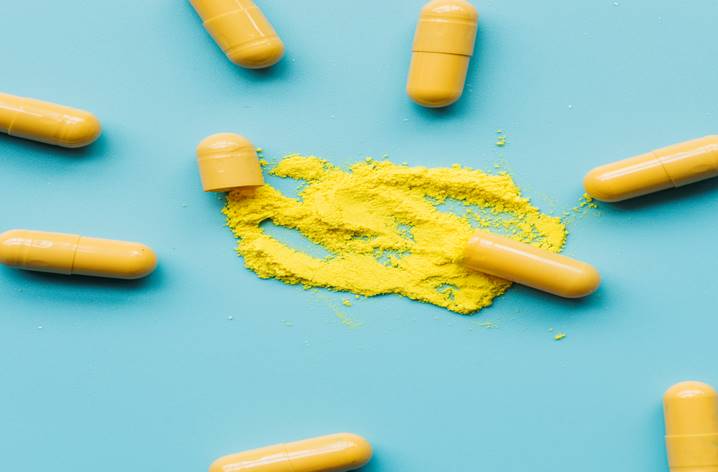
Ashwagandha has become one of the most popular herbal supplements worldwide due to its potential benefits for stress management, sleep quality, physical performance, and cognitive wellness. However, many people are confused about one important question: should you take Ashwagandha extract or traditional Ashwagandha powder? Although both come from the same medicinal herb, Withania somnifera, they differ significantly in potency, absorption, standardization, and clinical effectiveness.
Understanding these differences is essential before choosing the right form for your health goals. While traditional Ashwagandha powder has been used in Ayurveda for centuries, modern standardized extracts are increasingly preferred in clinical research because they provide higher concentrations of active compounds known as withanolides.
What Is Ashwagandha Powder?
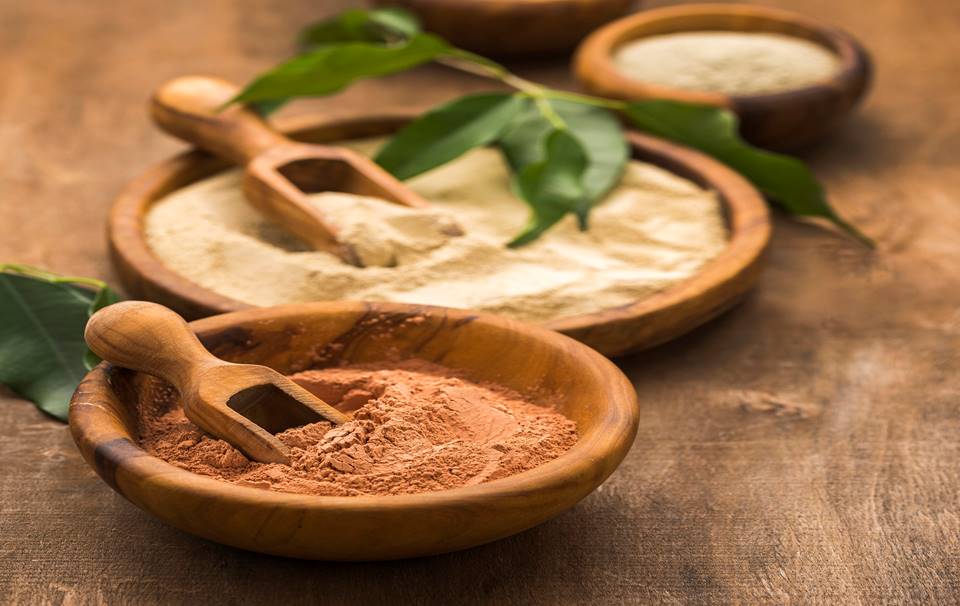
Ashwagandha powder is made by drying and grinding the root of the Ashwagandha plant into a fine powder. This is the traditional Ayurvedic form commonly mixed with milk, honey, warm water, or smoothies. It contains naturally occurring plant compounds, including withanolides, alkaloids, and antioxidants.
Because it is minimally processed, Ashwagandha powder is considered a whole-herb approach. However, the concentration of active compounds may vary depending on soil quality, cultivation, harvesting, and processing methods.
Traditional powder is often used for:
- Daily wellness support
- Mild stress management
- Ayurvedic formulations
- Long-term general health use
What Is Ashwagandha Extract?
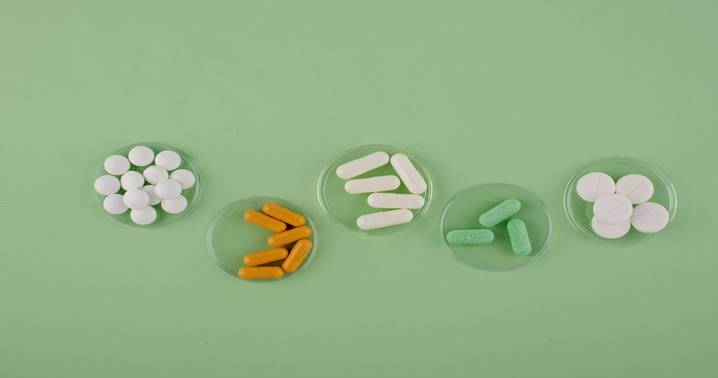
Ashwagandha extract is a concentrated form produced by isolating the active compounds from the root or whole plant. Most clinical studies use standardized extracts that guarantee a certain percentage of withanolides, typically ranging from 2.5% to 10%.
Popular standardized extracts include:
- KSM-66®
- Sensoril®
- Shoden®
These extracts are designed to provide stronger biological activity at lower doses compared to raw powder.
Clinical studies suggest standardized Ashwagandha extracts may support:
- Stress reduction
- Cortisol balance
- Sleep quality
- Exercise performance
- Cognitive function
- Testosterone and vitality support
Ashwagandha Extract vs Powder: Major Differences
| Feature | Ashwagandha Powder | Ashwagandha Extract |
| Processing | Whole root powder | Concentrated extract |
| Withanolide Content | Variable and lower | Standardized and higher |
| Potency | Mild | Stronger |
| Dose Required | Higher doses needed | Lower doses effective |
| Scientific Evidence | Limited clinical standardization | Extensively studied |
| Taste | Bitter and earthy | Usually encapsulated |
| Absorption | Lower bioavailability | Better bioavailability |
| Best For | Traditional wellness use | Targeted therapeutic support |
Why Extracts Are More Popular in Clinical Research
One major limitation of raw Ashwagandha powder is inconsistency. The amount of active withanolides may differ greatly between products. Clinical extracts solve this issue by standardizing the active compounds.
A 2025 randomized crossover study comparing four Ashwagandha extracts demonstrated significant differences in bioavailability and plasma withanolide levels among formulations. Researchers concluded that standardized extracts provide more predictable absorption and systemic exposure.
Another clinical bioavailability study found that certain advanced Ashwagandha formulations achieved higher plasma concentrations of withanolides despite lower total doses, indicating improved absorption efficiency.
These findings explain why modern clinical trials investigating stress reduction, sleep quality, exercise performance, and hormonal balance typically use standardized extracts rather than raw powder.

Potential Health Benefits of Ashwagandha Extract
Stress and Anxiety Support
Ashwagandha is best known as an adaptogen that may help the body manage stress. Clinical studies suggest standardized extracts may reduce cortisol levels and improve stress resilience.
A commonly cited randomized trial reported meaningful reductions in stress scores and cortisol levels in individuals taking standardized Ashwagandha extract compared with placebo.
Sleep Quality and Relaxation
Ashwagandha extracts such as Sensoril® and KSM-66® are frequently studied for sleep support and relaxation. Some studies indicate improvements in sleep onset, sleep quality, and perceived recovery.
Physical Performance and Recovery
Research suggests standardized root extracts may improve muscle strength, endurance, VO2 max, and exercise recovery when combined with resistance training.
Hormonal and Vitality Support
Some clinical evidence suggests Ashwagandha extract may support testosterone levels and vitality in aging or stressed individuals.
Cognitive and Brain Health
Emerging research indicates Ashwagandha may support memory, focus, and cognitive performance through antioxidant and neuroprotective mechanisms.
Poor Absorption: Why It Matters
One important difference between Ashwagandha powder and extract is bioavailability. Raw root powder generally contains lower concentrations of active withanolides and may have weaker absorption.
Clinical experts suggest that standardized extracts provide more reliable absorption and biological activity compared with plain powder.
Some advanced formulations also use technologies designed to enhance absorption and plasma delivery of withanolides. This is especially important because herbal compounds often have poor oral bioavailability.
Which Should You Choose?
Choose Ashwagandha Powder If:
- You prefer traditional Ayurvedic preparations
- You want a whole-herb approach
- You are looking for mild wellness support
- You tolerate the earthy taste
- You prefer using herbs in teas, milk, or smoothies
Choose Ashwagandha Extract If:
- You want clinically studied effects
- You need stronger stress or sleep support
- You prefer lower doses with higher potency
- You want standardized withanolide levels
- You are seeking measurable therapeutic outcomes
For most individuals seeking evidence-based stress support or sleep improvement, standardized extracts may provide more predictable results than raw powder.
Potential Risks and Side Effects
Although Ashwagandha is generally considered safe for short-term use, side effects can occur, especially at high doses.
Possible side effects include:
Rare reports of liver toxicity have also been documented.
Certain individuals should avoid Ashwagandha unless medically supervised:
- Pregnant women
- Individuals with autoimmune conditions
- People with thyroid disorders
- Patients taking sedatives or immunosuppressants
Key Takeaway
Ashwagandha powder and Ashwagandha extract both offer potential health benefits, but they serve different purposes. Traditional root powder aligns with classical Ayurvedic wellness practices and may be suitable for long-term gentle support. In contrast, standardized extracts provide higher potency, improved consistency, and stronger scientific evidence for stress management, sleep support, exercise recovery, and cognitive wellness.
Modern clinical studies increasingly favor standardized Ashwagandha extracts because they deliver more reliable withanolide concentrations and better absorption. However, choosing the right form ultimately depends on your personal health goals, tolerance, and medical history.
Before starting any Ashwagandha supplement, especially concentrated extracts, consult a healthcare professional if you take medications or have chronic health conditions.