

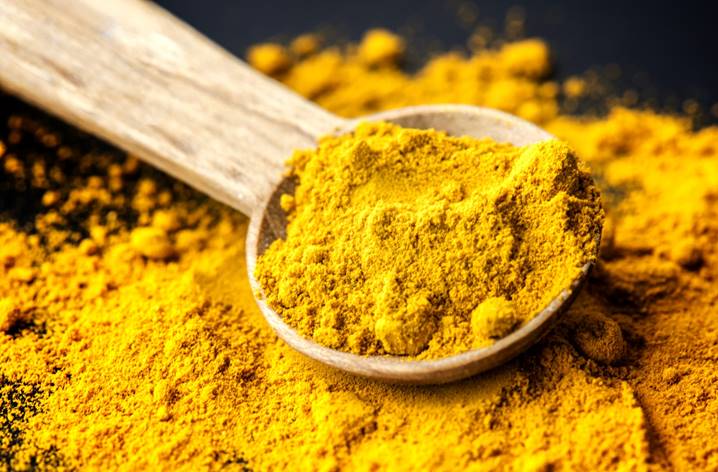
Turmeric has been used for centuries in traditional medicine and cooking, especially in India and Southeast Asia. In recent years, curcumin supplements have gained global popularity due to their potential anti-inflammatory and antioxidant properties. Although the terms “turmeric” and “curcumin” are often used interchangeably, they are not the same. Understanding the difference between turmeric and curcumin can help you choose the right option for your health goals and avoid unnecessary risks.
What Is Turmeric?
Turmeric is a bright yellow-orange spice obtained from the root of the Curcuma longa plant. It belongs to the ginger family and has been widely used in Ayurveda and traditional medicine for digestive support, wound healing, joint health, and overall wellness. Turmeric contains several bioactive compounds called curcuminoids, of which curcumin is the most important and extensively studied.
Whole turmeric contains only about 2–8% curcumin by weight. Besides curcumin, turmeric also provides essential oils, fiber, and other beneficial plant compounds that may contribute to its health effects.
What Is Curcumin?
Curcumin is the primary active compound extracted from turmeric. It is responsible for most of turmeric’s anti-inflammatory and antioxidant properties. Curcumin supplements are usually concentrated extracts designed to provide significantly higher doses than turmeric powder alone.
Scientific studies have shown that curcumin may influence inflammatory pathways, oxidative stress, and cellular signaling mechanisms. Because of this, curcumin supplements are often marketed for joint health, metabolic support, exercise recovery, brain health, and healthy aging.
Potential Health Benefits of Turmeric and Curcumin
Both turmeric and curcumin may offer important health benefits when used appropriately as part of a balanced lifestyle.
Supports Inflammation Control
Curcumin is widely recognized for its anti-inflammatory activity. Chronic low-grade inflammation is associated with several health conditions, including arthritis, obesity, cardiovascular disease, and metabolic disorders. Curcumin may help regulate inflammatory molecules in the body and support joint comfort and mobility.
Powerful Antioxidant Properties
Oxidative stress caused by free radicals contributes to aging and cellular damage. Curcumin acts as a strong antioxidant and may help neutralize free radicals while supporting the body’s natural antioxidant enzymes.
Joint and Muscle Health
Several studies suggest that curcumin supplementation may help reduce joint stiffness and discomfort, particularly in people with osteoarthritis. Athletes and active individuals also use curcumin to support post-exercise recovery.
Digestive and Gut Support
Turmeric has traditionally been used to support digestion. Some evidence suggests it may help stimulate bile production and support gut function. However, excessive intake may irritate the stomach in sensitive individuals.
Brain and Cognitive Health
Emerging research indicates that curcumin may support brain health by influencing inflammation and oxidative stress pathways. Scientists are also exploring its potential role in cognitive aging and mood support.
Heart Health Support
Curcumin may help support cardiovascular wellness by influencing endothelial function, oxidative stress, and inflammation. However, it should not replace prescribed medical therapies.
Curcumin vs Turmeric: Key Differences
| Feature | Turmeric | Curcumin |
| Source | Whole root/spice | Active compound extracted from turmeric |
| Curcumin Content | Low (2–8%) | Highly concentrated |
| Traditional Use | Cooking and herbal remedies | Targeted supplementation |
| Absorption | Naturally low | Often enhanced with additives |
| Potency | Mild to moderate | Stronger biological activity |
| Best For | Daily wellness and culinary use | Specific therapeutic support |
| Risk of Side Effects | Lower in food amounts | Higher at large supplement doses |
Poor Absorption: Why It Matters
One of the biggest challenges with curcumin is poor absorption. Curcumin is not easily absorbed into the bloodstream and is rapidly broken down and eliminated by the body. This means that taking regular curcumin alone may provide limited benefits.
To improve bioavailability, many supplements combine curcumin with black pepper extract (piperine). Piperine can significantly enhance curcumin absorption. Some advanced formulations also use liposomal technology, nanoparticles, or phospholipid complexes to improve uptake.
However, improved absorption also means stronger biological activity, which may increase the likelihood of side effects or medication interactions in some individuals.
Which Should You Take?
The choice between turmeric and curcumin depends on your personal health goals.
Choose Turmeric If:
- You want a natural culinary spice for daily wellness
- You prefer a whole-food approach
- You are looking for mild antioxidant support
- You want lower risk of side effects
- You enjoy adding turmeric to curries, soups, tea, or smoothies
Turmeric is generally better for long-term dietary use and overall wellness support.
Choose Curcumin If:
- You need targeted anti-inflammatory support
- You have joint discomfort or exercise-related soreness
- You want higher therapeutic potency
- Your healthcare provider recommends supplementation
Curcumin supplements may be more appropriate for short-term or targeted health goals due to their concentrated nature.
Potential Risks and Side Effects
Although turmeric and curcumin are generally considered safe for many people, excessive use can cause side effects.
Common side effects may include:
- Stomach upset
- Nausea
- Diarrhea
- Acid reflux
- Abdominal discomfort
High-dose curcumin supplements may also increase the risk of gallbladder contractions and could worsen gallstones or bile duct obstruction in susceptible individuals.
Some reports suggest that excessive curcumin supplementation may affect iron absorption, which could be important for individuals with iron deficiency.
Because supplements vary widely in quality and concentration, choosing reputable brands with standardized testing is important.
Tips for Safe Use
To use turmeric or curcumin safely and effectively:
- Start with small amounts
- Avoid excessive doses
- Choose reputable supplement brands
- Take curcumin with meals containing healthy fats
- Look for formulations with enhanced absorption
- Discuss supplement use with your healthcare provider if you take medications or have chronic medical conditions
Final Thoughts
Turmeric and curcumin both offer promising health benefits, but they serve different purposes. Turmeric is a traditional whole-food spice suitable for daily wellness and culinary use, while curcumin is a concentrated compound designed for stronger therapeutic effects. Although curcumin may provide more potent anti-inflammatory activity, it also comes with concerns regarding absorption, side effects, and medication interactions.
For most healthy individuals, adding turmeric to the diet can be a simple and safe wellness practice. Curcumin supplements may be useful for targeted support when chosen carefully and used under professional guidance.