

Childhood is a period of rapid physical growth, brain development and maturation of the immune system. During these years, children need a varied diet that provides sufficient energy, protein, essential fats, vitamins, minerals and dietary fiber. Fruits can make an important contribution to this dietary pattern because they provide a combination of vitamins, minerals, fiber and naturally occurring plant bioactive compounds importantly polyphenols.
Vitamin C, for example, is required for normal immune-system function and is found in many fruits, including citrus fruits and strawberries. The National Institutes of Health (NIH) explains that vitamin C participates in both innate and adaptive immune responses, while vitamin C deficiency can impair immune function [1].
Fruits also contribute dietary fiber, which supports normal bowel function and forms part of a diet that supports a healthy gastrointestinal environment. Notably, no individual fruit supplies all nutrients a growing child requires, hence, we will explain must have fruits for children’s normal health development and boosting immunity.
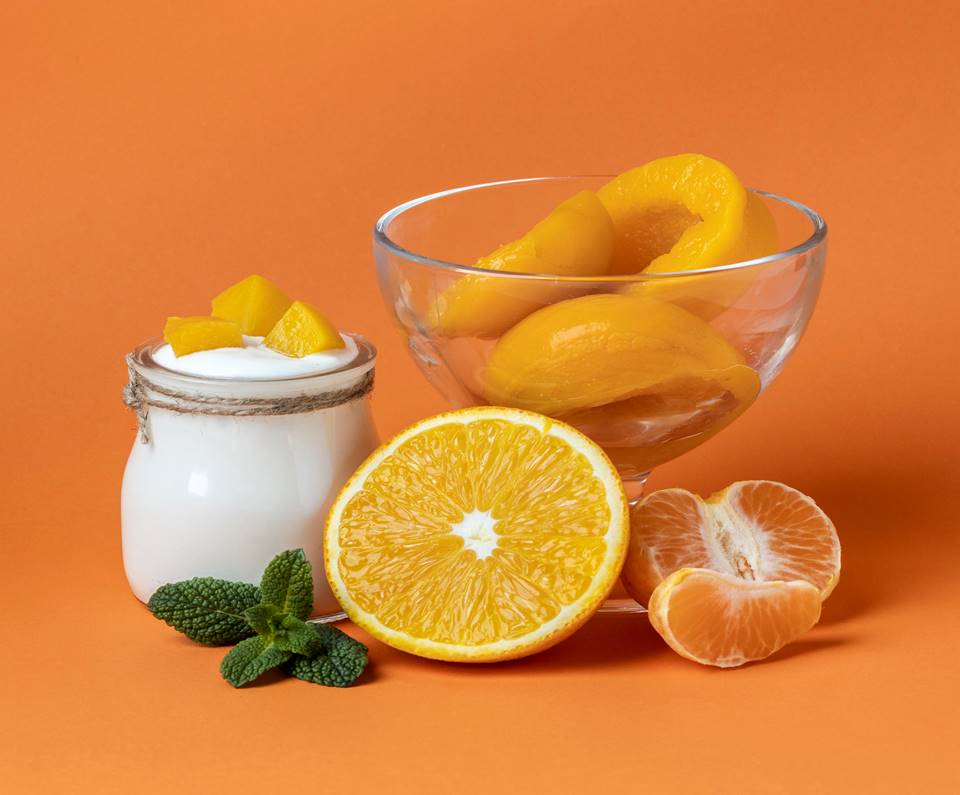
Must-Have Fruits for Healthy Children
1. Citrus Fruits: Oranges, Mosambi and Amla
Oranges and sweet lime (mosambi) are well-known sources of vitamin C. Amla, or Indian gooseberry, is also particularly rich in vitamin C. Adequate vitamin C is important for normal immune function and also supports collagen formation and iron absorption from plant-based foods.
For children following predominantly vegetarian diets, vitamin-C-rich fruits can be especially useful when eaten alongside meals containing plant sources of iron. Rather than presenting citrus fruits or amla as immunity “boosters,” it is more accurate to say that they help provide nutrients required for normal immune function.
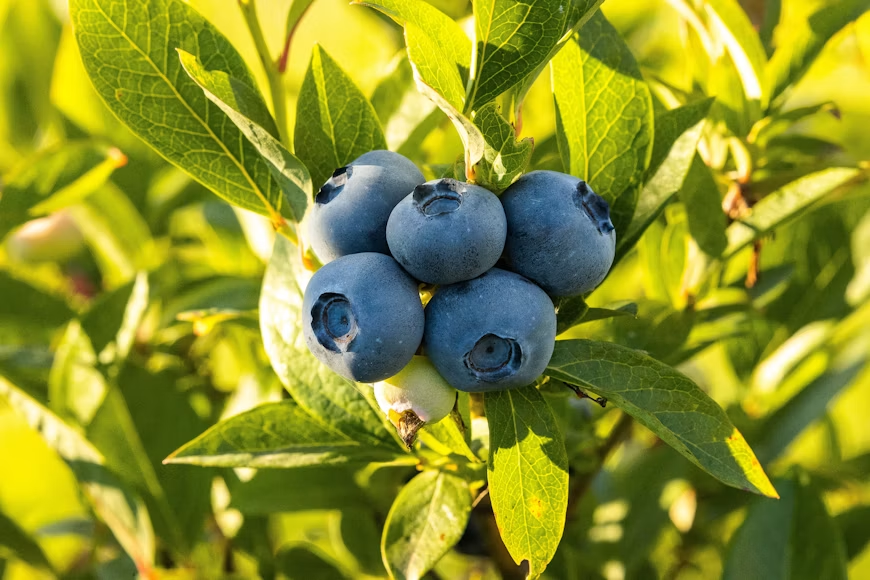
2. Berries: Strawberries and Blueberries
Strawberries and blueberries provide dietary fiber, vitamin C and numerous naturally occurring polyphenolic compounds. Their different plant pigments reflect the presence of bioactive compounds that contribute to the nutritional diversity of the diet [2].
Research on dietary patterns rather than individual fruits suggests that diets rich in plant foods are associated with several favorable health outcomes. However, evidence should not be interpreted to mean that blueberries or strawberries alone prevent disease or improve immunity. Their greatest value is as part of a varied, nutrient-dense dietary pattern.
3. Papaya
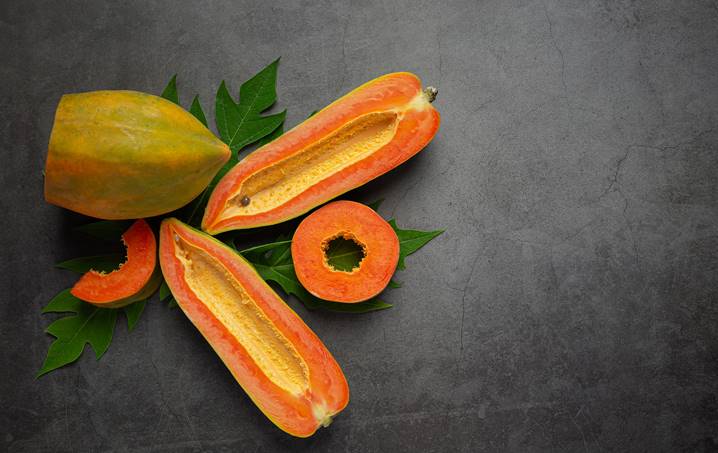
Papaya provides vitamin C, carotenoids and dietary fiber. These nutrients contribute to normal immune function, antioxidant defenses and digestive health. Its soft texture also makes appropriately prepared ripe papaya convenient for young children who are beginning to eat solid foods.
Papaya is sometimes promoted specifically because it contains papain, a digestive enzyme. However, claims that ordinary servings of papaya dramatically improve digestion should be avoided because clinical evidence does not justify such broad claims [2]. The fruit’s established nutritional value is a stronger reason to include it in a child’s diet.
4. Avocado
Avocado differs from many fruits because it provides substantial amounts of fat, predominantly unsaturated fat, along with fiber and other nutrients. Dietary fat is important during childhood because it contributes energy and supports the absorption of fat-soluble vitamins.
Avocado can therefore be included as one component of a balanced diet, particularly when children need energy-dense nutritious foods. Nevertheless, it should not be described as a standalone food that improves intelligence or guarantees better brain development. Brain development depends on adequate overall nutrition, including protein, essential fatty acids, iron, iodine, zinc, vitamin B12 and other nutrients.
5. Bananas
Bananas are convenient, naturally sweet and provide carbohydrates, potassium, vitamin B6 and fiber. Their carbohydrate content makes them a practical energy-containing food for growing and physically active children.
A banana can be paired with yogurt, nuts or nut butter where age-appropriate, oats or another nutritious food to create a more balanced snack. As with other fruits, bananas should complement rather than replace meals containing protein and other essential nutrients.
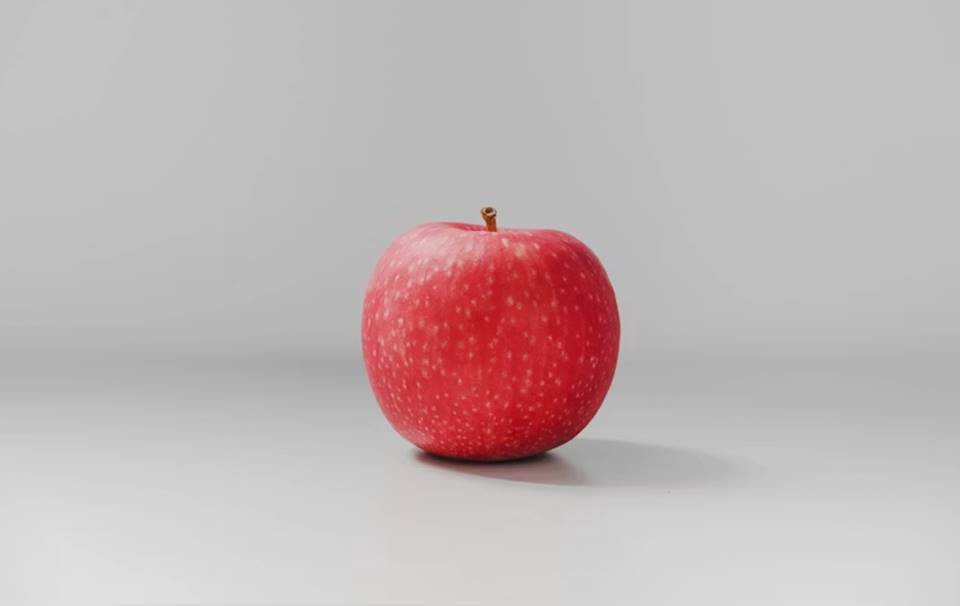
6. Apples
Apples provide dietary fiber and naturally occurring polyphenols, including quercetin. Keeping the edible skin on when appropriate can increase fiber intake, provided the fruit is thoroughly washed and the preparation is safe for the child’s age.
Whole apples are generally preferable to apple juice because they retain their fiber and take longer to consume. The American Academy of Pediatrics (AAP) emphasizes that whole fruit should be encouraged over juice in children.
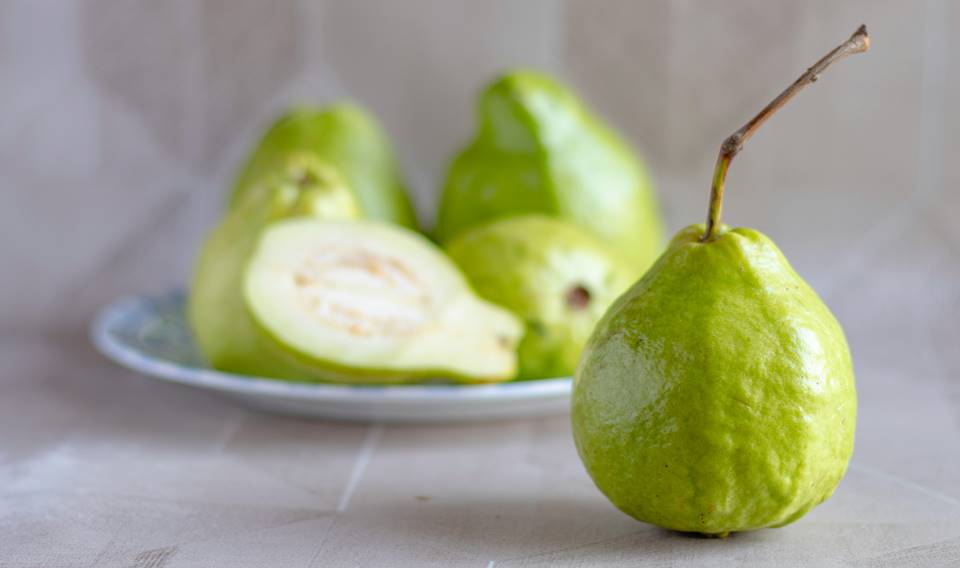
7. Guava
Guava is an excellent fruit to include in children’s diets because it provides vitamin C and dietary fiber. It is also widely available in India and can be a practical alternative to more expensive imported fruits.
Including locally available fruits such as guava can make healthy eating more affordable while still providing important nutrients. Fruit variety is more important than purchasing expensive “superfruits.”
How These Fruits Support Different Areas of Child Health
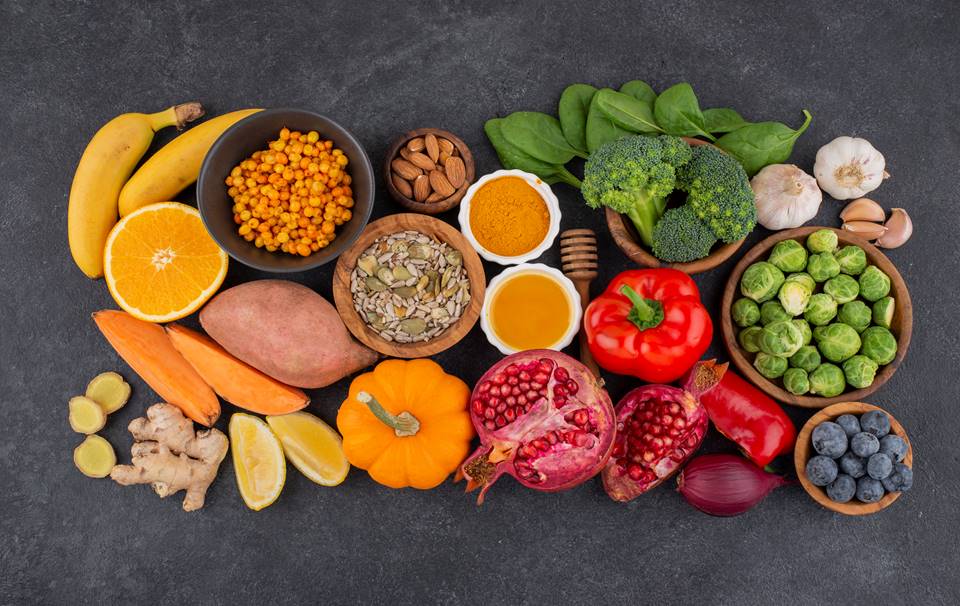
The benefits of fruit consumption extend beyond immunity. Vitamin C-rich fruits support normal immune function, while fiber-containing fruits contribute to digestive health. Potassium-rich fruits such as bananas contribute to normal physiological functions, and avocado provides unsaturated fats and energy.
More broadly, evidence increasingly supports the importance of dietary patterns rather than individual foods. Research involving more than 26,000 school-aged children found a small but statistically significant positive association between adherence to a Mediterranean-style dietary pattern and cognition and academic performance. Because this evidence concerns an overall dietary pattern, it cannot be used to claim that individual fruits independently improve cognitive performance [3].
Why Parents Need to Pay More Attention to Fruit Intake
Many children can become selective eaters, making dietary variety difficult. A systematic review and meta-analysis has examined the relationship between picky eating and fruit and vegetable intake in children and adolescents, highlighting the importance of dietary variety during childhood.
Parents do not need to force children to eat a particular fruit. Instead, repeatedly offering different fruits, presenting them in age-appropriate forms and allowing children to experience different tastes and textures can encourage variety.
Parents should also prioritize whole fruits over fruit juice. Juice can contain substantial amounts of free sugars and generally provides less fiber than whole fruit. WHO recommends limiting free sugars and notes that fruit juice, even without added sugar, can contain significant amounts of free sugars [1].
The AAP recommends avoiding fruit juice before 12 months and limiting 100% fruit juice to no more than 4 ounces daily for children aged 1-3 years. Whole fruit remains the preferred choice [3].
Food safety is also important. Fruits should be washed properly, and their texture and size should be adapted to the child’s developmental stage to reduce choking risk.
Bottom Line
Fruits can be an important part of a child’s diet because they provide vitamin C, fiber, potassium, carotenoids, folate, unsaturated fats and numerous naturally occurring plant compounds.
However, healthy growth and immunity cannot be attributed to fruits alone. Children need a balanced dietary pattern that provides adequate protein, healthy fats, whole grains, vegetables and essential micronutrients, along with adequate sleep, physical activity, vaccination and appropriate healthcare. For most children, the practical goal is simple: offer a variety of whole fruits regularly, choose age-appropriate portions and make fruits part of an overall balanced diet.
References
- World Health Organization. Healthy Diet. WHO.
- National Institutes of Health, Office of Dietary Supplements. Dietary Supplements for Immune Function and Infectious Diseases: Health Professional Fact Sheet. NIH.
- Heyman MB, Abrams SA. Fruit Juice in Infants, Children, and Adolescents: Current Recommendations. Pediatrics. 2017;139(6):e20170967.