

Why Vitamin C Is Essential for Overall Health
Vitamin C (ascorbic acid) is essential for collagen synthesis, wound healing, immune defense, antioxidant protection, iron absorption, and healthy skin, blood vessels, bones, and connective tissues. Because humans cannot synthesize vitamin C, it must be taken through fruits, vegetables, or dietary supplements.
Clinical evidence suggests that low vitamin C levels may impair immune function, delay wound healing, reduce iron absorption, increase oxidative stress, and eventually lead to scurvy (1).
Research has shown that adequate vitamin C intake contributes to:
- Strong immune function
- Healthy skin and connective tissues
- Faster wound healing
- Improved iron absorption
- Protection against oxidative stress
- Normal blood vessel integrity
- Healthy bones and cartilage
Since body stores of vitamin C are limited, inadequate intake over several weeks or months can gradually lead to deficiency.

Major Risk Factors for Vitamin C Deficiency
1. Poor Dietary Intake
The most common cause of vitamin C deficiency is insufficient consumption of fresh fruits and vegetables. Individuals following highly processed diets or consuming very limited varieties of foods often fail to meet the recommended daily intake.
Low intake is particularly common among:
- People living alone
- Older adults
- Individuals with poor appetite
- Low-income populations
- People with food insecurity
2. Eating Disorders and Eating Habits
People with anorexia nervosa, avoidant restrictive food intake disorder (ARFID), or highly selective eating behaviors frequently consume inadequate amounts of vitamin C-rich foods. Clinical studies indicate that prolonged dietary restriction significantly increases the risk of vitamin C deficiency and other micronutrient deficiencies.
3. Limited Access to Fruits and Vegetables
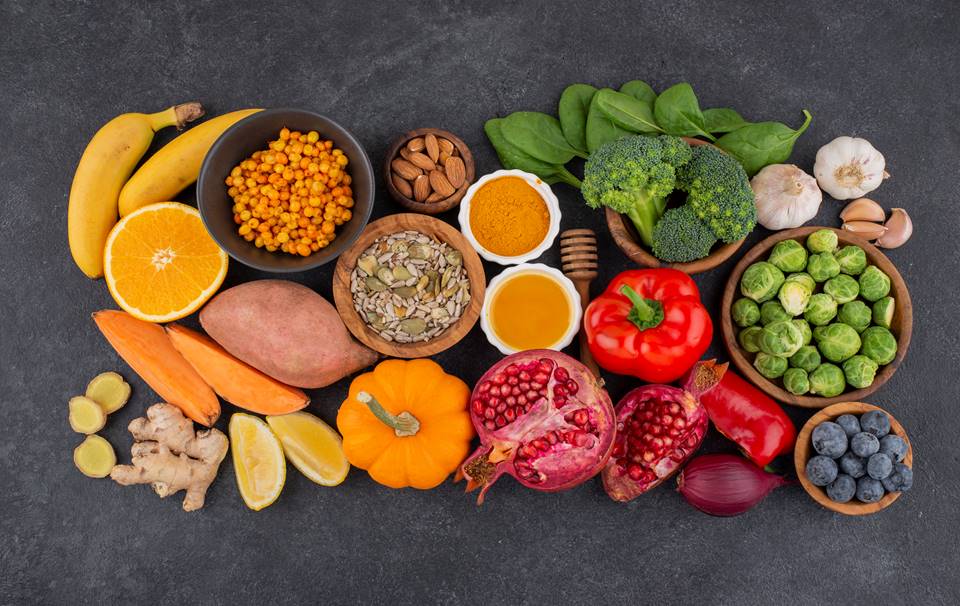
Socioeconomic factors remain an important contributor worldwide. Individuals living in food deserts, experiencing financial hardship, or lacking access to fresh produce may develop inadequate vitamin C intake over time. Public health research consistently links reduced fruit and vegetable consumption with lower blood vitamin C concentrations.
4. Smoking
Smoking generates substantial oxidative stress, rapidly depleting vitamin C stores. The National Institutes of Health recommends that smokers consume 35 mg/day more vitamin C than non-smokers to compensate for increased oxidative damage. Studies consistently demonstrate significantly lower plasma vitamin C concentrations among smokers compared with non-smokers (2).
5. Alcohol Consumption
Individuals with alcohol use disorder often have poor dietary quality and increased urinary loss of vitamin C. Heavy alcohol intake may also interfere with nutrient absorption and metabolism, making deficiency more likely.
6. Malabsorption Disorders
Certain gastrointestinal disorders reduce the body’s ability to absorb vitamin C effectively.
These include:
- Celiac disease
- Inflammatory bowel disease (Crohn’s disease and ulcerative colitis)
- Chronic pancreatitis
- Cystic fibrosis
- Short bowel syndrome
Patients with chronic digestive disorders frequently require nutritional monitoring to prevent deficiencies.
7. Bariatric Surgery
Following bariatric surgery, nutrient absorption decreases due to alterations in the digestive tract. Without proper dietary planning or supplementation, patients may develop vitamin C deficiency alongside deficiencies in vitamin B12, iron, folate, and vitamin D. Routine nutritional follow-up is recommended after bariatric procedures.
8. Older Adults and Social Isolation
Many elderly individuals consume monotonous diets commonly described as a “tea and toast” diet, providing inadequate vitamins and minerals.
Additional contributing factors include:
- Poor dentition
- Reduced appetite
- Limited mobility
- Cognitive impairment
- Financial constraints
- Social isolation
These factors collectively increase the likelihood of vitamin C deficiency.
9. Infants Receiving Cow’s Milk
Vitamin C requirements are generally met through breast milk or infant formula. However, infants fed exclusively with unfortified cow’s milk may not receive sufficient vitamin C, increasing their risk of deficiency if complementary foods are also inadequate.
10. Diabetes
Some research suggests that individuals with type 1 diabetes experience greater oxidative stress and altered vitamin C metabolism, potentially increasing vitamin C requirements. Maintaining adequate dietary intake may help support antioxidant defenses in this population.
11. CKD and Hemodialysis
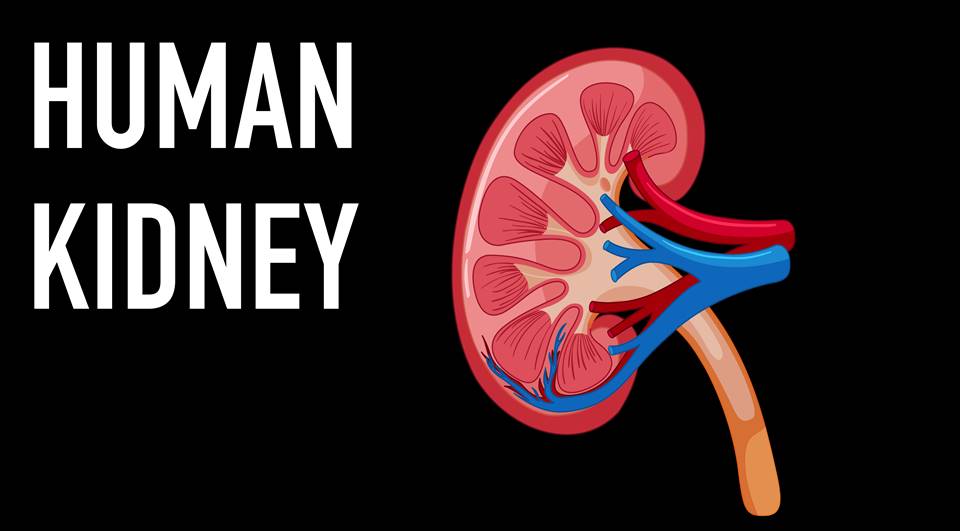
Patients undergoing hemodialysis lose water-soluble vitamins, including vitamin C, during dialysis treatments. Without appropriate nutritional monitoring, deficiency may develop over time. Healthcare providers often recommend individualized supplementation under medical supervision.
12. Iron Overload Disorders
Conditions such as hereditary hemochromatosis may alter vitamin C metabolism. Although vitamin C enhances iron absorption, excessive supplementation should generally be avoided in iron-overload disorders unless advised by a physician.
13. Food Allergies
Individuals avoiding multiple fruits or vegetables because of allergies or restrictive dietary patterns may consume insufficient vitamin C. Very low-carbohydrate diets that eliminate many fruits can also reduce vitamin C intake if not carefully planned.

14. Mental Health Disorders
Autism spectrum disorder, severe depression, schizophrenia, dementia, and other developmental or psychiatric conditions may affect food preferences, appetite, and dietary diversity. Consequently, long-term nutritional deficiencies, including vitamin C deficiency may occur without proper dietary support.
Signs and Symptoms of Vitamin C Deficiency
Early symptoms may be subtle and easily overlooked.
Common signs include:
- Fatigue
- Weakness
- Poor wound healing
- Frequent infections
- Easy bruising
- Dry skin
- Joint pain
- Muscle aches
- Bleeding gums
Severe deficiency leads to scurvy, characterized by:
- Swollen and bleeding gums
- Loose teeth
- Corkscrew hairs
- Petechiae
- Anemia
- Impaired collagen formation
- Delayed wound healing
Fortunately, scurvy is completely reversible with timely vitamin C replacement.
Best Dietary Sources of Vitamin C
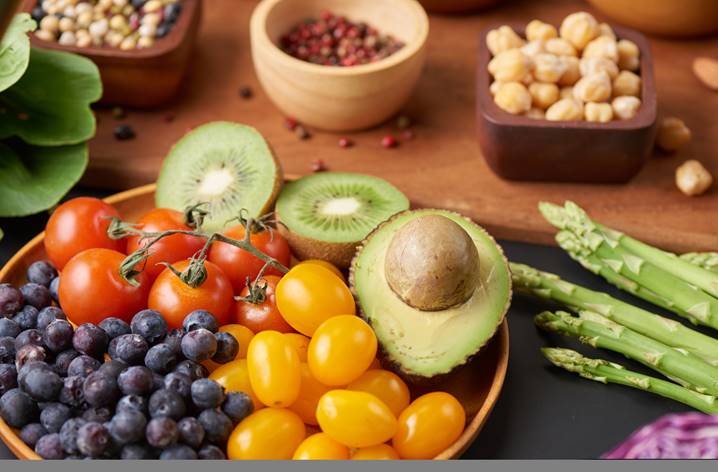
A balanced diet rich in fresh fruits and vegetables usually provides adequate vitamin C.
Excellent sources include:
- Amla (Indian gooseberry)
- Guava
- Oranges
- Kiwi
- Strawberries
- Papaya
- Bell peppers
- Broccoli
- Brussels sprouts
- Tomatoes
- Cabbage
- Kale
- Spinach
Because vitamin C is sensitive to heat, steaming or consuming vegetables raw helps preserve more of the vitamin.
How to Prevent Vitamin C Deficiency
Preventing deficiency is generally straightforward through healthy eating habits.
Evidence-based recommendations include:
- Eat at least five servings of fruits and vegetables daily.
- Include vitamin C-rich foods with every meal.
- Avoid excessive cooking of vegetables.
- Stop smoking whenever possible.
- Limit alcohol intake.
- Monitor nutrition after bariatric surgery.
- Seek dietary counseling if following restrictive diets.
- Use supplements only when medically indicated.
Most healthy adults can meet their vitamin C requirements through a varied diet without requiring routine supplementation.
Bottom Line
Vitamin C deficiency remains an important but largely preventable nutritional disorder. Individuals with poor dietary habits, smoking, excessive alcohol consumption, gastrointestinal disorders, bariatric surgery, chronic kidney disease, restrictive diets, eating disorders, and limited access to fresh produce are at the greatest risk. Recognizing these risk factors, early dietary intervention or supplementation prevents deficiency-related complications.