

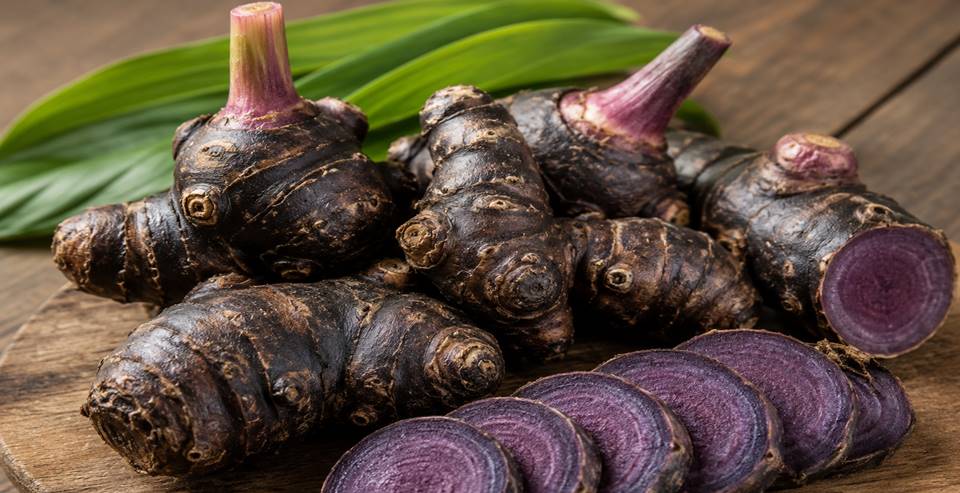
Black Ginger (Kaempferia parviflora), has been used in traditional Thai medicine for centuries to promote vitality, physical endurance, healthy aging, and overall wellness.
In recent years, scientific interest in Black Ginger has increased considerably due to its unique phytochemical profile, particularly its abundance of polymethoxyflavones (PMFs), including 5,7-dimethoxyflavone and 5,7,4′-trimethoxyflavone, which are believed to contribute to many of its biological activities.
Modern pharmacological studies suggest that Black Ginger possesses antioxidant, anti-inflammatory, metabolic, and vasodilatory properties, making it a promising herbal ingredient for functional foods and dietary supplements.
1. May Improve Energy Levels and Physical Performance
One of the most widely recognized benefits of Black Ginger is its potential to enhance physical performance and reduce fatigue. Traditionally, it has been consumed by athletes and physically active individuals to improve stamina and endurance.
Research suggests that polymethoxyflavones found in Black Ginger may stimulate energy metabolism by activating AMP-activated protein kinase (AMPK), a key regulator of cellular energy production. Enhanced mitochondrial function and improved glucose utilization may contribute to increased endurance during physical activity (1).
Several human studies have also reported improvements in grip strength, walking performance, and overall physical fitness among older adults receiving Black Ginger supplementation. Wattanathorn et al. observed improvements in physical fitness and muscular endurance following regular supplementation, suggesting potential benefits for maintaining mobility in aging populations (2).
Although these findings are promising, Black Ginger should not be considered a substitute for regular exercise, balanced nutrition, and adequate recovery.

2. Supports Healthy Blood Circulation
Healthy circulation is essential for delivering oxygen and nutrients throughout the body. Black Ginger has attracted scientific attention for its ability to support vascular function through enhanced nitric oxide production.
Experimental studies indicate that Black Ginger extracts promote endothelial nitric oxide synthase (eNOS) activity, leading to increased nitric oxide availability. Nitric oxide relaxes blood vessels, improves vascular flexibility, and promotes healthy blood flow (3).
Improved circulation may help support exercise performance, tissue oxygenation, and overall cardiovascular wellness. Some preliminary clinical studies have also suggested improvements in peripheral blood flow after Black Ginger supplementation.
However, individuals taking medications that affect blood pressure or circulation should consult a healthcare professional before using Black Ginger supplements.

3. Rich Source of Antioxidants
Oxidative stress contributes to aging and numerous chronic diseases, including cardiovascular disorders, diabetes, and neurodegenerative conditions. Black Ginger contains several potent antioxidant compounds that help neutralize free radicals.
The major polymethoxyflavones exhibit significant antioxidant activity by reducing oxidative damage and supporting endogenous antioxidant defense systems such as superoxide dismutase (SOD) and glutathione peroxidase (GPx) (4).
Laboratory studies have demonstrated that Black Ginger extract reduces lipid peroxidation, inhibits reactive oxygen species (ROS) generation, and protects cellular structures against oxidative injury.
Because oxidative stress plays a role in multiple chronic conditions, the antioxidant properties of Black Ginger may contribute to overall healthy aging when combined with a balanced diet rich in fruits and vegetables.

4. May Support Healthy Metabolic Function
Emerging evidence suggests that Black Ginger may help support normal metabolic health. Experimental studies indicate that its bioactive compounds may influence glucose metabolism, lipid metabolism, and energy expenditure.
Animal studies have shown improvements in insulin sensitivity, reduced fat accumulation, and enhanced fatty acid oxidation following Black Ginger supplementation. These effects are believed to occur through activation of AMPK pathways and modulation of genes involved in lipid metabolism (5).
Some preliminary human research has also reported modest reductions in body fat percentage and improvements in metabolic markers among overweight individuals.
Although these findings are encouraging, Black Ginger should not be viewed as a treatment for obesity or diabetes. Lifestyle modifications, including healthy eating and regular physical activity, remain the cornerstone of metabolic health.

5. May Support Cognitive Function During Aging
Healthy brain function depends on adequate blood flow, reduced oxidative stress, and protection of neurons from inflammation. Black Ginger has demonstrated neuroprotective properties in several experimental studies.
Animal research suggests that Black Ginger extract may improve learning and memory by reducing oxidative damage, suppressing neuroinflammation, and enhancing cerebral blood circulation. Wattanathorn et al. reported improvements in memory performance in aged animal models receiving Black Ginger extract (2).
Its antioxidant and anti-inflammatory activities may help protect neuronal cells against age-related decline. Researchers have also proposed that improved endothelial function may increase cerebral blood flow, potentially supporting cognitive performance.
Nevertheless, evidence from large-scale human clinical trials remains limited. More rigorous studies are needed before definitive conclusions can be drawn regarding its role in cognitive health.
How Black Ginger Works
The biological activities of Black Ginger are largely attributed to its polymethoxyflavones, which influence several molecular pathways. These compounds may activate AMPK, enhance nitric oxide production, reduce inflammatory cytokines, inhibit oxidative stress, and improve mitochondrial function. Together, these mechanisms contribute to improved energy metabolism, vascular health, antioxidant defense, and cellular protection.

Safety and Dosage
Human clinical studies generally report that standardized Black Ginger extracts are well tolerated when consumed at recommended doses. Commercial supplements commonly provide between 90 and 180 mg of standardized extract daily, although dosages vary depending on product formulation and extract concentration.
Possible mild side effects may include digestive discomfort or stomach upset in sensitive individuals.
Pregnant or breastfeeding women, individuals taking blood-thinning medications, antihypertensive drugs, or those with chronic medical conditions should consult a healthcare professional before using Black Ginger supplements.
Selecting products that are standardized for polymethoxyflavone content and manufactured under Good Manufacturing Practices (GMP) can help ensure product quality and consistency.
The Bottom Line
Black Ginger (Kaempferia parviflora) is an increasingly popular botanical with growing scientific support for its role in promoting overall wellness. Current evidence suggests that it may improve energy production, support physical performance, promote healthy blood circulation, provide antioxidant protection, support metabolic health, and contribute to healthy cognitive function. These benefits are largely attributed to its unique polymethoxyflavone compounds, which exhibit antioxidant, anti-inflammatory, and vasodilatory activities.