

Entering your 40s is an important milestone for men’s health. During this stage of life, gradual physiological changes begin to affect muscle mass, bone density, hormone balance, cardiovascular health, metabolism, and cognitive performance. While a balanced diet, regular physical activity, adequate sleep, and stress management remain the foundation of good health, certain dietary supplements may help address nutritional gaps and support healthy aging when used appropriately.
The following supplements are among the most widely studied for men in their 40s.

1. Magnesium
Magnesium is an essential mineral involved in more than 300 enzymatic reactions, including muscle contraction, nerve transmission, energy production, blood glucose regulation, and maintenance of normal bone structure. Modern dietary patterns often provide insufficient magnesium, making mild deficiency relatively common.
According to Rosanoff et al, inadequate magnesium intake has been associated with reduced insulin sensitivity, muscle cramps, fatigue, and increased cardiovascular risk. Clinical evidence also suggests that maintaining adequate magnesium status may support healthy blood pressure and normal muscle function. Individuals who exercise regularly may have slightly higher magnesium requirements because of increased losses through sweat.
Magnesium glycinate is often preferred for individuals seeking good gastrointestinal tolerance, while magnesium citrate may be suitable for those who also require support for occasional constipation. Supplementation should remain within recommended limits unless supervised by a healthcare professional.

2. Vitamin D
Vitamin D plays an important role in calcium absorption, bone mineralization, immune function, and skeletal muscle health. As men age, reduced outdoor activity, increased indoor work, and declining skin synthesis contribute to vitamin D insufficiency.
A review published in the New England Journal of Medicine highlights vitamin D deficiency as a global health concern affecting musculoskeletal health. Furthermore, it is reported that maintaining adequate vitamin D levels may improve muscle function and reduce the risk of falls in older adults.
Vitamin D supplementation is particularly beneficial for individuals with confirmed deficiency, limited sun exposure, darker skin pigmentation, or osteoporosis risk factors. Blood testing for serum 25-hydroxyvitamin D remains the preferred method for assessing vitamin D status before initiating long-term supplementation.

3. Creatine Monohydrate
Creatine monohydrate is one of the most extensively researched sports nutrition ingredients. Although naturally produced in the body and obtained from foods such as meat and fish, supplementation can increase muscle creatine stores, supporting high-intensity exercise performance.
The International Society of Sports Nutrition concluded that creatine monohydrate is effective for improving strength, lean body mass, recovery, and exercise performance when combined with resistance training. Emerging evidence also suggests potential benefits for healthy aging by helping preserve muscle mass and physical function.
Contrary to common misconceptions, current evidence indicates that creatine monohydrate does not adversely affect kidney function in healthy individuals when consumed at recommended dosages. However, individuals with existing kidney disease should consult their physician before using creatine supplements.
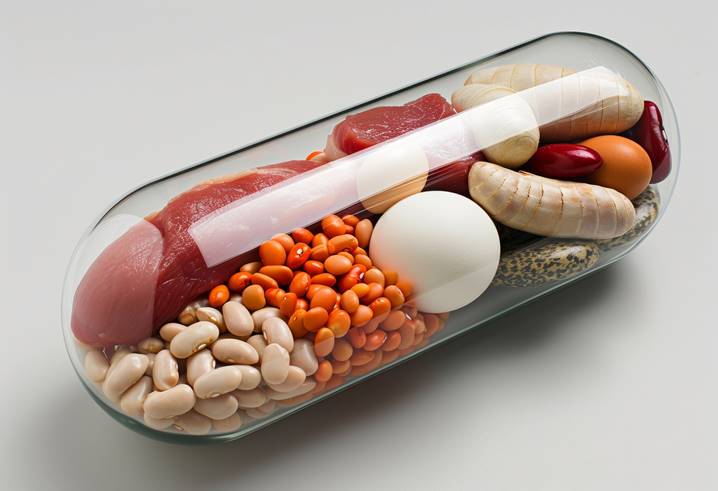
4. Multivitamins
A balanced diet should remain the primary source of vitamins and minerals. Nevertheless, multivitamins may help bridge nutritional gaps in men whose dietary intake is inadequate due to busy lifestyles, restricted eating patterns, or increased physiological demands.
The study published in the American Journal of Clinical Nutrition suggested that daily multivitamin supplementation may provide modest benefits for selected aspects of cognitive health in older adults. However, evidence supporting routine multivitamin use for chronic disease prevention remains inconsistent.
A high-quality multivitamin should provide nutrients close to the Recommended Dietary Allowance (RDA) rather than excessively high doses. Men should avoid unnecessary iron supplementation unless medically indicated because excess iron accumulation may be harmful in adult males.

5. Zinc
Zinc is a trace mineral essential for immune function, wound healing, protein synthesis, reproductive health, and antioxidant defense. Mild zinc deficiency can impair immune responses and delay tissue repair.
Zinc plays a central role in both innate and adaptive immunity. Adequate zinc intake is also important for maintaining normal testosterone metabolism, although supplementation has not consistently been shown to increase testosterone levels in men with normal zinc status.
Excessive zinc supplementation should be avoided because long-term high doses may interfere with copper absorption and contribute to copper deficiency.

6. Fish Oil (Omega-3 Fatty Acids)
Fish oil provides the long-chain omega-3 fatty acids EPA (eicosapentaenoic acid) and DHA (docosahexaenoic acid), which support cardiovascular, brain, and eye health.
The American Heart Association recognizes omega-3 fatty acids as part of a heart-healthy dietary pattern. Additionally, it is reported that higher dietary omega-3 intake is associated with improved cardiovascular outcomes in many populations.
Omega-3 supplementation may be particularly useful for individuals who consume little oily fish. However, very high doses should only be used under medical supervision because they may increase bleeding risk in susceptible individuals or interact with anticoagulant medications.
Should Every Man in His 40s Take Supplements?
Not necessarily. Supplements are most beneficial when they correct nutritional deficiencies or meet increased physiological needs. A nutrient-rich diet containing vegetables, fruits, whole grains, legumes, nuts, dairy products, lean protein, and healthy fats remains the most effective strategy for long-term health.
Healthcare professionals may recommend supplements after evaluating dietary habits, medical history, medications, lifestyle, and laboratory investigations. Personalized supplementation is generally more appropriate than indiscriminate use.

When to Seek a Doctor
Medical advice should be sought if you experience persistent fatigue, unexplained muscle weakness, frequent infections, bone pain, unintended weight loss, reduced exercise tolerance, or symptoms suggestive of nutritional deficiencies. Men with diabetes, chronic kidney disease, liver disease, cardiovascular disease, gastrointestinal disorders, or those taking prescription medications should consult a healthcare professional before starting any dietary supplement.
It is also advisable to undergo periodic health evaluations after the age of 40, including blood pressure measurement, blood glucose testing, lipid profile, vitamin D assessment (when indicated), and routine nutritional evaluation.
The Bottom Line
Men in their 40s often experience gradual physiological changes that increase the importance of maintaining optimal nutrition. Magnesium, vitamin D, creatine monohydrate, multivitamins, zinc, and fish oil are among the most extensively researched supplements for supporting healthy aging. However, supplements should complement a balanced diet and healthy lifestyle.