

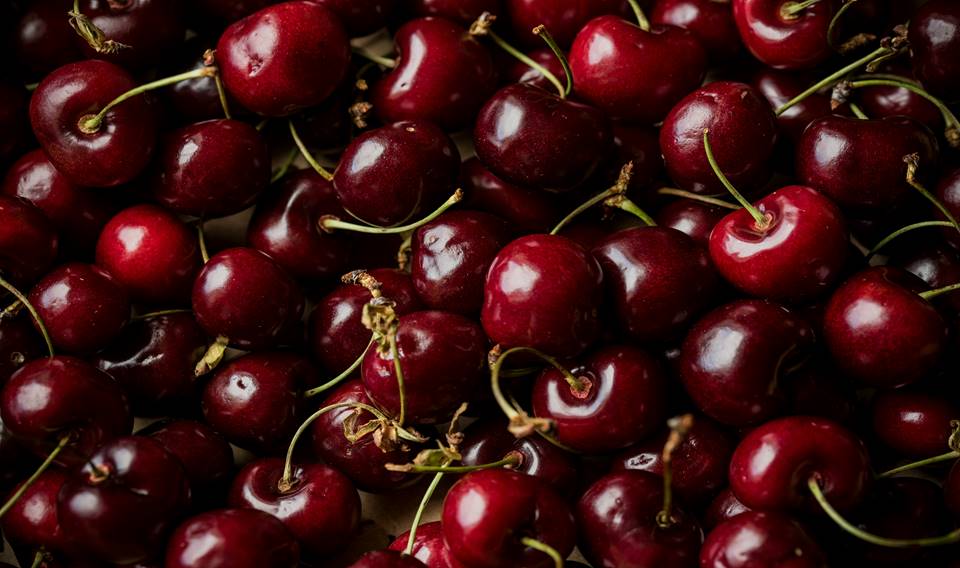
Cherries are nutrient-rich fruits available, have made them increasingly popular among health-conscious individuals worldwide. It contain numerous bioactive compounds that may help reduce inflammation, improve sleep quality, support cardiovascular health, and promote recovery after exercise.
The two major varieties are sweet cherries (Prunus avium) and tart cherries (Prunus cerasus). Sweet cherries are commonly consumed fresh, while tart cherries are frequently used in juices, concentrates, dried products, and dietary supplements. Although both varieties offer health benefits, tart cherries generally contain higher concentrations of certain polyphenols and anthocyanins.
Nutritional Profile of Cherries
Cherries are naturally low in calories while providing an abundance of vitamins, minerals, fiber, and antioxidants. One cup (approximately 154 g) of fresh sweet cherries provides approximately:
- Calories: 97 kcal
- Carbohydrates: 25 g
- Dietary Fiber: 3 g
- Protein: 2 g
- Vitamin C
- Potassium
- Copper
- Manganese
- Polyphenols
- Anthocyanins
- Melatonin (especially tart cherries)
The deep red color of cherries comes from anthocyanins, powerful antioxidant compounds responsible for many of their biological activities.
1. Rich in Powerful Antioxidants
One of the most significant health benefits of cherries is their exceptionally high antioxidant content. Cherries contain anthocyanins, flavonoids, hydroxycinnamic acids, quercetin, catechins, and vitamin C, all of which help protect cells against oxidative stress.
Oxidative stress occurs when free radicals exceed the body’s antioxidant defenses, contributing to aging and the development of chronic diseases such as cardiovascular disease, diabetes, arthritis, and neurodegenerative disorders.
Anthocyanins have demonstrated strong anti-inflammatory activity by reducing inflammatory signaling pathways, including cyclooxygenase (COX) enzymes and pro-inflammatory cytokines.
A systematic review by Kelley et al. (2018) concluded that cherry consumption consistently reduced markers of oxidative stress and inflammation in most clinical studies, supporting cherries as an anti-inflammatory functional food.
Similarly, McCune et al. (2011) reported that tart cherries significantly reduced oxidative damage after strenuous exercise.
Regular cherry consumption may therefore help protect tissues from chronic inflammation and oxidative injury.

2. Supports Heart Health
Cardiovascular disease remains the leading cause of death worldwide, making dietary strategies increasingly important for prevention. Cherries contain several nutrients that contribute to heart health, including potassium, fiber, anthocyanins, and polyphenols.
Potassium helps regulate blood pressure by balancing sodium levels and relaxing blood vessels. Meanwhile, anthocyanins improve endothelial function, enhance nitric oxide production, and reduce vascular inflammation.
Several studies have demonstrated that cherry consumption lowers biomarkers associated with cardiovascular risk, including:
- C-reactive protein (CRP)
- Oxidized LDL cholesterol
- Blood pressure
- Total cholesterol (in some populations)
According to Kelley et al. (2006), consuming sweet cherries reduced inflammatory biomarkers linked to cardiovascular disease.
Research published in the American Journal of Clinical Nutrition has also associated greater anthocyanin intake with lower cardiovascular disease risk due to improvements in vascular function.
Including cherries alongside other fruits, vegetables, whole grains, and healthy fats may therefore contribute to long-term cardiovascular wellness.

3. May Improve Sleep Quality
One unique characteristic of cherries, particularly tart cherries, is that they naturally contain melatonin, the hormone responsible for regulating the body’s sleep-wake cycle.
In addition to melatonin, cherries contain tryptophan and polyphenols that may further support healthy sleep by influencing serotonin metabolism and reducing inflammation that can interfere with sleep quality.
Clinical research has shown promising benefits.
A randomized controlled trial by Howatson et al. (2012) demonstrated that tart cherry juice significantly increased total sleep time and sleep efficiency in healthy adults.
Another study by Pigeon et al. (2010) found improvements in insomnia severity among older adults consuming tart cherry juice twice daily.
Unlike many sleep medications, cherries offer a natural nutritional approach without causing dependency or morning grogginess. Although more large-scale studies are needed, current evidence supports tart cherries as a promising dietary aid for improving sleep.

4. Enhances Muscle Health
Athletes and physically active individuals often experience muscle soreness, inflammation, and temporary declines in performance following intense exercise. Growing evidence suggests that cherries may accelerate recovery.
Exercise causes microscopic muscle damage, leading to oxidative stress and inflammation. The anthocyanins and polyphenols in tart cherries help reduce this response by neutralizing free radicals and suppressing inflammatory pathways.
Numerous clinical trials have reported benefits including:
- Reduced delayed-onset muscle soreness (DOMS)
- Faster muscle strength recovery
- Lower inflammatory markers
- Reduced muscle damage
- Improved endurance recovery
In a landmark study, Connolly et al. (2006) found that participants drinking tart cherry juice experienced significantly less pain following strenuous exercise than those receiving a placebo.
A systematic review by Bell et al. (2016) concluded that tart cherry supplementation consistently improves post-exercise recovery and may enhance athletic performance by reducing oxidative stress.
For athletes, recreational exercisers, and older adults, cherries may provide a practical nutritional strategy to support recovery.

5. May Help Reduce Symptoms of Gout and Arthritis
One of the most widely researched benefits of cherries is their potential role in managing gout.
Gout develops when elevated uric acid levels lead to crystal formation within joints, causing severe pain and inflammation.
Research indicates that cherries may reduce gout risk through two mechanisms:
- Lowering serum uric acid levels
- Reducing inflammation through anthocyanins
A large observational study by Zhang et al. (2012) involving patients with gout found that cherry intake was associated with a 35% lower risk of recurrent gout attacks over a two-day period.
Anthocyanins may also help reduce inflammatory responses associated with osteoarthritis.
Some clinical studies suggest that tart cherry juice decreases pain and stiffness in individuals with osteoarthritis, although larger randomized trials are still needed before definitive conclusions can be made.
While cherries should not replace prescribed medications, they may serve as a valuable dietary addition for people managing inflammatory joint conditions.
Are There Any Risks?
For most healthy individuals, cherries are considered safe and highly nutritious.
However, a few considerations include:
- Excessive intake may cause digestive discomfort because cherries contain sorbitol and dietary fiber.
- Individuals with diabetes should monitor portion sizes due to their natural sugar content, although cherries generally have a relatively low glycemic index.
- People with severe fruit allergies should consult a healthcare professional before increasing cherry consumption.
Moderation remains the key to obtaining benefits while minimizing unwanted effects.
The Bottom Line
Current research suggests that regular cherry consumption may support cardiovascular health, improve sleep quality, accelerate exercise recovery, and reduce the frequency of gout attacks while also contributing to healthier aging.