

Table of Contents

Potassium is one of the most important nutrients for human health. It is an essential electrolyte that helps regulate nerve signals, heart rate, muscle contractions, and fluid balance. Despite potassium’s critical role, many people may not obtain enough of it from their usual diet. Adequate potassium intake is associated with healthy blood pressure, cardiovascular protection, muscle function, renal health, and bone strength.
According to the World Health Organization (WHO) and other health authorities, increasing dietary potassium intake is an effective strategy for reducing the risk of hypertension and cardiovascular diseases. Potassium works closely with sodium to maintain electrolyte balance and support numerous physiological processes throughout the body.
Key Health Benefits of Potassium
1. Helps Maintain Healthy Blood Pressure
One of the most well-established benefits of potassium is its role in blood pressure regulation. Potassium helps counteract the effects of excessive sodium intake by promoting sodium excretion through urine and relaxing blood vessel walls.
A large meta-analysis published in the British Medical Journal (BMJ) found that increased potassium intake significantly reduced blood pressure in individuals with hypertension, particularly when sodium intake was high (Aburto et al., 2013).
Regular consumption of potassium-rich foods may therefore contribute to better blood pressure control and cardiovascular health.

2. Supports Heart Health
Potassium plays a crucial role in maintaining normal electrical activity within the heart. Proper potassium levels help ensure a regular heartbeat and support efficient cardiac muscle contractions.
Both low and excessively high potassium levels can disrupt heart rhythm, potentially leading to arrhythmias. Research published in the journal Circulation has highlighted the importance of maintaining optimal potassium levels for cardiovascular health and reducing the risk of heart-related complications (Whelton et al., 2018).
3. May Reduce the Risk of Stroke
Higher dietary potassium intake has been associated with a lower risk of stroke. Potassium helps improve vascular function, reduce blood pressure, and support healthy circulation.
A systematic review published in the BMJ reported that individuals consuming higher amounts of potassium had a significantly lower risk of stroke compared with those consuming lower amounts (Aburto et al., 2013). This protective effect appears particularly important in populations with high sodium consumption.

4. Supports Muscle Strength and Physical Performance
Muscles depend on potassium for proper contraction and relaxation. During physical activity, potassium helps transmit electrical signals between nerves and muscles, enabling coordinated movement.
Insufficient potassium levels may contribute to muscle weakness, fatigue, and impaired athletic performance. Adequate potassium intake is especially important for physically active individuals, older adults, and athletes who lose electrolytes through sweat.
5. Promotes Healthy Kidney Function
The kidneys play a central role in regulating potassium balance. In healthy individuals, adequate potassium intake may help support kidney function and reduce the risk of kidney stone formation.
Research published in the Clinical Journal of the American Society of Nephrology suggests that diets rich in fruits and vegetables, which naturally provide potassium, may help reduce urinary calcium excretion and decrease kidney stone risk (Taylor et al., 2013).
However, individuals with chronic kidney disease should consult healthcare professionals before increasing potassium intake because impaired kidney function may lead to potassium accumulation.

6. Supports Bone Health
Emerging evidence suggests that potassium may contribute to bone health by reducing calcium loss through urine. Potassium-rich fruits and vegetables produce alkaline compounds that may help neutralize acids and preserve bone minerals.
Studies have indicated that higher potassium intake is associated with improved bone mineral density and reduced bone loss, particularly in older adults (Tucker et al., 1999).
7. Helps Prevent Muscle Cramps
Although muscle cramps can have multiple causes, maintaining adequate potassium levels supports normal muscle function and may help reduce cramping associated with electrolyte imbalance.
Potassium works alongside magnesium, calcium, and sodium to regulate muscle contractions. A balanced intake of these nutrients is essential for optimal neuromuscular function.
Signs and Symptoms of Potassium Deficiency
Potassium deficiency, also known as hypokalemia, can occur due to inadequate dietary intake, excessive sweating, vomiting, diarrhea, or certain medications such as diuretics.
Common symptoms include:
- Muscle weakness
- Fatigue
- Muscle cramps
- Constipation
- Tingling or numbness
- Irregular heartbeat
- Palpitations
- Difficulty concentrating
- Increased thirst
- Frequent urination
Severe potassium deficiency may lead to serious cardiac complications and requires prompt medical attention.
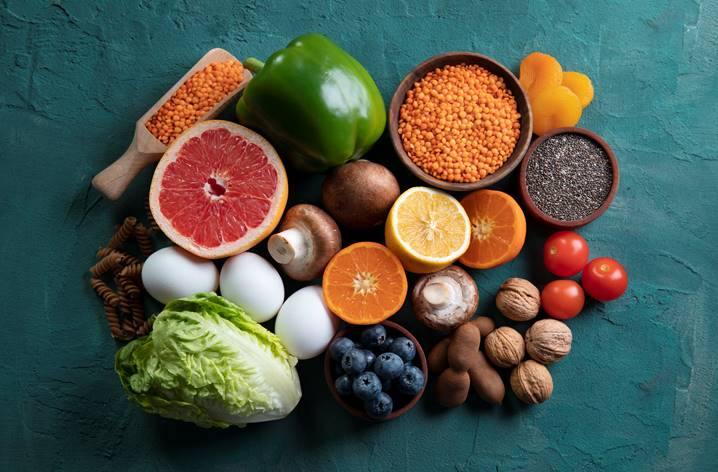
Potassium-Rich Foods for Daily Wellness
Obtaining potassium from whole foods is generally the safest and most effective approach.
Fruits Rich in Potassium
Bananas are well known for their potassium content, but many other fruits are excellent sources as well. These include oranges, avocados, apricots, cantaloupe, kiwi, pomegranate, and dried fruits such as raisins and prunes.
Vegetables Rich in Potassium
Vegetables are among the richest sources of potassium. Potatoes, sweet potatoes, spinach, beet greens, tomatoes, pumpkin, mushrooms, broccoli, and leafy greens provide substantial amounts of this essential mineral.
Other Excellent Sources
Additional potassium-rich foods include:
- Beans and lentils
- Soybeans
- Yogurt
- Milk
- Nuts and seeds
- Coconut water
- Fish such as salmon and tuna
- Poultry
- Whole grains
A diet emphasizing fruits, vegetables, legumes, and dairy products can help meet daily potassium requirements naturally.
How Much Potassium Do You Need Daily?
The recommended potassium intake varies according to age, sex, and physiological status.
Current guidelines from the U.S. National Academies of Sciences recommend:
- Adult men: approximately 3,400 mg/day
- Adult women: approximately 2,600 mg/day
- Pregnant women: approximately 2,900 mg/day
- Breastfeeding women: approximately 2,800 mg/day
Many individuals consume significantly less than these recommended amounts, highlighting the importance of potassium-rich dietary choices.
Should Everyone Take Potassium Supplements?
Not necessarily. Most healthy individuals can meet their potassium needs through a balanced diet rich in fruits, vegetables, legumes, and dairy products.
Potassium supplements may be recommended in specific situations, such as medically diagnosed potassium deficiency, certain medication use, or particular medical conditions. However, supplementation should only be undertaken under healthcare supervision.
Excessive potassium intake from supplements can cause hyperkalemia, a condition characterized by abnormally high blood potassium levels. Hyperkalemia can lead to dangerous cardiac arrhythmias and may be life-threatening, especially in individuals with kidney disease.
Therefore, dietary sources remain the preferred method of obtaining potassium for most people.
Bottom Line
Potassium is an essential mineral that supports cardiovascular health, healthy blood pressure, muscle function, kidney health, and bone strength. Adequate potassium intake may reduce the risk of hypertension and stroke while helping maintain optimal physical performance and overall wellness. Since many people do not consume sufficient potassium, increasing the intake of potassium-rich foods such as fruits, vegetables, legumes, and dairy products can provide substantial health benefits. While supplements may be necessary in certain circumstances, they should only be used under professional medical guidance to avoid potentially harmful side effects.
References
- Aburto NJ, Hanson S, Gutierrez H, et al. Effect of increased potassium intake on cardiovascular risk factors and disease: systematic review and meta-analyses. BMJ. 2013;346:f1378.
- Whelton PK, Carey RM, Aronow WS, et al. 2017 Guideline for the Prevention, Detection, Evaluation, and Management of High Blood Pressure in Adults. Hypertension. 2018;71(6):e13-e115.
- World Health Organization (WHO). Guideline: Potassium Intake for Adults and Children. Geneva: WHO; 2012.
- National Academies of Sciences, Engineering, and Medicine. Dietary Reference Intakes for Sodium and Potassium. Washington, DC: National Academies Press; 2019.
- Taylor EN, Curhan GC. Dietary potassium and the risk of kidney stones. Clinical Journal of the American Society of Nephrology. 2013;8(12):2059-2065.
- Tucker KL, Hannan MT, Chen H, et al. Potassium, magnesium, and fruit and vegetable intakes are associated with greater bone mineral density in elderly men and women. American Journal of Clinical Nutrition. 1999;69(4):727-736.
- Weaver CM. Potassium and health. Advances in Nutrition. 2013;4(3):368S-377S.