

What Are Chronic Respiratory Diseases?
Chronic respiratory diseases are long-term conditions that affect the airways, lungs, and other parts of the respiratory system. They can cause persistent or recurring breathing problems and may affect physical activity, sleep, work, and overall quality of life.
Chronic respiratory diseases include several different conditions with different causes and treatment approaches [1].
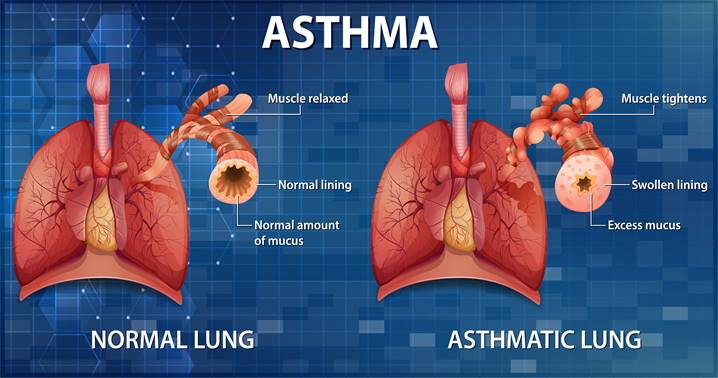
Common Types of Chronic Respiratory Diseases
Chronic Obstructive Pulmonary Disease (COPD): COPD is a chronic lung disease characterized by persistent respiratory symptoms and airflow limitation. Smoking is an important risk factor, although non-smokers can also develop COPD because of other environmental or occupational exposures [2].
Asthma: Asthma is a chronic respiratory condition involving airway inflammation and variable symptoms such as wheezing, shortness of breath, chest tightness, and cough. Symptoms may vary over time and can be triggered by allergens, infections, exercise, smoke, and other factors [3].
Bronchiectasis: Bronchiectasis occurs when the airways become permanently widened and damaged. It can lead to persistent cough, excessive mucus production, and recurrent respiratory infections [5].
Pulmonary Fibrosis: Pulmonary fibrosis involves scarring of lung tissue. As the lungs become stiffer, breathing and oxygen transfer can become increasingly difficult.
Occupational Lung Diseases: Long-term workplace exposure to dust, fumes, chemicals, gases, or other respiratory hazards can cause or worsen certain lung diseases, including work-related asthma [6].
Pulmonary Hypertension: Pulmonary hypertension refers to increased pressure in the blood vessels that carry blood from the heart to the lungs. It can occur because of different heart, lung, or vascular conditions.

Causes and Risk Factors
Chronic respiratory diseases have multiple causes, and the risk factors vary depending on the specific condition. Some risk factors can be modified, while others including genetics and certain medical conditions cannot.
Major Risk Factors
Tobacco Smoke: Smoking is one of the most important preventable risk factors for COPD and contributes substantially to chronic respiratory disease [2]. Second-hand smoke can also negatively affect respiratory health.
Air Pollution: Exposure to particulate matter and other outdoor air pollutants may contribute to respiratory symptoms and chronic lung disease [1,4].
Indoor Air Pollution: Smoke from biomass fuels, inadequate ventilation, mould, and other indoor pollutants can increase respiratory risks, particularly with prolonged exposure [4].
Occupational Exposure: Workers exposed to dust, fumes, chemicals, allergens, and other respiratory irritants may be at increased risk of occupational lung disease and work-related asthma [6].
Allergens and Infections: Pollen, dust mites, mould, animal allergens, and respiratory infections can trigger or worsen symptoms, particularly in people with asthma [3].
Genetic and Early-Life Factors: Genetic susceptibility, premature birth, impaired lung development, and certain childhood respiratory problems may influence an individual’s long-term respiratory health [1].

Symptoms to Watch For
The symptoms of chronic respiratory diseases vary depending on the underlying condition. However, several symptoms are common across different chronic lung disorders.
Common symptoms include:
- Persistent or recurrent cough
- Shortness of breath
- Wheezing
- Chest tightness
- Increased mucus or phlegm
- Fatigue
- Reduced exercise tolerance
- Recurrent respiratory infections
- Difficulty performing normal physical activities
COPD commonly causes persistent cough, breathlessness, and reduced exercise capacity, while asthma symptoms can vary in frequency and intensity [2,3].
Respiratory Flare-Ups
Some chronic respiratory diseases can experience exacerbations or flare-ups, during which symptoms suddenly become worse. Respiratory infections, smoke, air pollution, allergens, and other triggers may contribute to worsening symptoms [2,3].
Diagnosis of Chronic Respiratory Diseases
Because several respiratory diseases can produce similar symptoms, proper diagnosis is important. Doctors generally begin by reviewing the patient’s medical history and performing a physical examination.
They may ask about:
- Smoking and tobacco exposure
- Occupational exposure
- Allergies
- Family history
- Previous respiratory infections
- Duration and pattern of symptoms
- Environmental exposures
Common Diagnostic Tests
Spirometry: Spirometry measures how much air a person can breathe out and how quickly they can do so. It is an important test for assessing airflow limitation and diagnosing COPD [2].
Chest X-ray: A chest X-ray can help identify abnormalities in the lungs and rule out certain alternative causes of respiratory symptoms.
CT Scan: CT imaging provides more detailed information about lung tissue and airways. It is particularly useful in evaluating conditions such as bronchiectasis and pulmonary fibrosis. CT is an important component of bronchiectasis diagnosis because it can demonstrate structural airway abnormalities [5].
Blood and Oxygen Tests: Blood tests and measurements of blood oxygen levels may provide additional information about the patient’s respiratory condition and overall health.

Treatment Options for Chronic Respiratory Diseases
Treatment depends on the specific respiratory disease, its severity, symptoms, underlying cause, and the patient’s overall health. Many chronic respiratory diseases require long-term management rather than a single treatment.
Medicines
Depending on the condition, doctors may prescribe:
- Bronchodilators
- Inhaled corticosteroids
- Other anti-inflammatory medicines
- Antibiotics for selected respiratory infections
- Oxygen therapy for appropriate patients
For COPD, bronchodilator medicines are an important part of treatment, while some patients may also require inhaled corticosteroids or other medicines [2].
For asthma, inhaled medicines that control airway inflammation and relieve airway narrowing are central to effective management and prevention of exacerbations [3].
Pulmonary Rehabilitation
Pulmonary rehabilitation may be recommended for appropriate patients with chronic lung disease. It can combine supervised physical activity, breathing techniques, education, and lifestyle support to improve exercise capacity and quality of life [2].
Oxygen Therapy
Patients with severe respiratory disease and persistently low blood oxygen levels may require prescribed oxygen therapy. Oxygen should be used under medical supervision and according to an individual’s clinical needs.
Lifestyle and Environmental Management
Lifestyle measures can complement medical treatment. These may include quitting smoking, avoiding second-hand smoke, reducing exposure to air pollution, managing workplace exposures, maintaining physical activity, following vaccination recommendations, and learning the correct technique for inhaler use [2,3,4].
When to See a Doctor
Persistent respiratory symptoms should not be ignored. A medical evaluation is recommended when a person experiences a cough that does not resolve, recurring wheezing, unexplained breathlessness, reduced exercise tolerance, frequent respiratory infections, or progressively worsening respiratory symptoms [1].
Seek Urgent Medical Attention If:
Immediate medical attention may be necessary when someone develops:
- Severe difficulty breathing
- Rapidly worsening breathlessness
- Bluish lips or face
- Confusion or unusual drowsiness
- Inability to speak normally because of breathlessness
- Severe chest symptoms associated with breathing difficulty
People who already have a diagnosed respiratory disease should follow their clinician’s action plan for worsening symptoms.
Can Chronic Respiratory Diseases Be Prevented?
Not every chronic respiratory disease can be completely prevented, but many important risk factors can be reduced.
Avoiding tobacco and quitting smoking are among the most important steps for protecting lung health, particularly in relation to COPD [2]. Reducing exposure to indoor and outdoor air pollution and workplace respiratory hazards may also lower risk [1,4,6].
Other beneficial measures include maintaining regular physical activity, following appropriate vaccination recommendations, controlling known asthma triggers, maintaining good indoor ventilation, and seeking medical evaluation when respiratory symptoms persist.
Early recognition and management may help prevent complications and improve long-term disease control.
Conclusion
Chronic respiratory diseases represent a broad group of long-term conditions that can affect breathing, physical activity, and quality of life. Although some chronic respiratory diseases cannot be completely prevented, reducing exposure to tobacco smoke, air pollution, and occupational hazards can support better respiratory health. Appropriate medical treatment, lifestyle changes, pulmonary rehabilitation when indicated, and regular follow-up can help many patients manage their condition effectively.
References
- World Health Organization (WHO). Chronic Respiratory Diseases. WHO Health Topics.
- World Health Organization (WHO). Chronic Obstructive Pulmonary Disease (COPD). WHO.
- World Health Organization (WHO). Asthma. WHO.
- World Health Organization Regional Office for Europe. Chronic Respiratory Diseases.
- National Heart, Lung, and Blood Institute (NHLBI). Bronchiectasis: Diagnosis.
- Centers for Disease Control and Prevention (CDC), National Institute for Occupational Safety and Health (NIOSH). Work-related Asthma.