

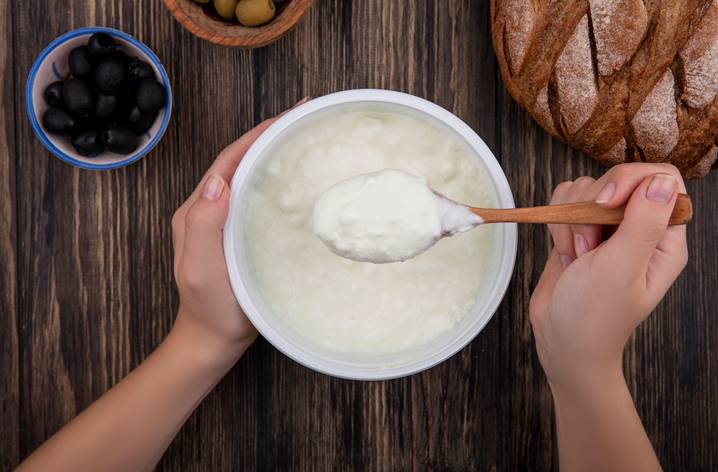
What Makes Curd Good for Gut Health?
Curd is one of the most widely consumed fermented foods and has been a part of traditional diets for centuries. Made by fermenting milk with beneficial bacteria, curd is naturally rich in probiotics, protein, vitamins, minerals, and essential amino acids that support digestive health and overall well-being. While many people consume curd for its cooling effect and taste, scientific research suggests that it can also play an important role in maintaining a healthy gut microbiome.
The human gut contains trillions of microorganisms that help digest food, regulate immunity, produce certain vitamins, and protect against harmful pathogens. When the balance of these microorganisms is disturbed due to poor diet, stress, illness, or antibiotic use, digestive problems and inflammation can occur. Regular consumption of probiotic-rich foods such as curd may help restore this balance and support optimal gut function.
Probiotics in Curd Help Maintain a Healthy Gut Microbiome
One of the primary reasons curd is beneficial for gut health is its natural probiotic content. During the fermentation process, beneficial bacteria such as Lactobacillus and Streptococcus thermophilus multiply and transform milk into curd. These friendly bacteria help maintain microbial diversity in the digestive tract and may support a healthier gut environment.
Clinical studies have shown that probiotic foods can help improve the composition of the gut microbiome by increasing beneficial bacteria while reducing the growth of potentially harmful microorganisms. A balanced microbiome is associated with improved digestion, stronger immunity, reduced inflammation, and better overall health.
Research published in Frontiers in Microbiology and Nutrients suggests that regular consumption of probiotic-containing foods can positively influence gut bacterial populations and support digestive wellness.
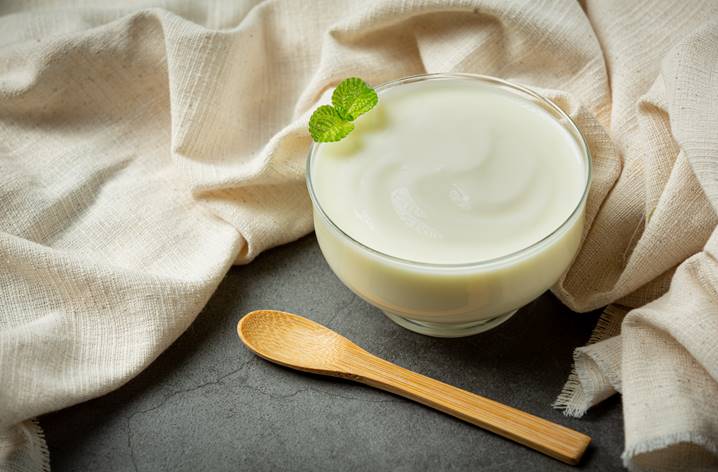
Curd Is Rich in Protein and Essential Amino Acids
Beyond probiotics, curd is an excellent source of high-quality protein and essential amino acids. Amino acids are the building blocks of proteins and are required for tissue repair, enzyme production, immune function, and overall cellular health.
Curd contains important amino acids such as:
- Leucine
- Isoleucine
- Valine
- Lysine
- Methionine
- Threonine
- Tryptophan
These amino acids support muscle maintenance, recovery, and metabolic functions throughout the body. Some amino acids also play a role in maintaining the integrity of the intestinal lining. A healthy gut lining acts as a barrier that allows nutrients to enter the bloodstream while preventing harmful substances from passing through.
The fermentation process may also improve protein digestibility, making amino acids more readily available for absorption compared to regular milk.
Supports Digestion and Nutrient Absorption
Curd is often easier to digest than milk because fermentation partially breaks down lactose, the natural sugar found in dairy products. This makes curd a suitable option for many individuals with mild lactose intolerance.
The beneficial bacteria present in curd support digestive processes by helping break down food and improving nutrient absorption. Research suggests that probiotics may enhance the absorption of minerals such as calcium, magnesium, and phosphorus while promoting overall digestive efficiency.
People who regularly consume curd often report fewer digestive complaints, including bloating, indigestion, and discomfort after meals.
Helps Strengthen the Gut Barrier
The intestinal lining serves as a protective barrier between the digestive tract and the bloodstream. Maintaining the integrity of this barrier is essential for digestive and immune health.
Studies suggest that probiotics found in fermented foods may support gut barrier function by promoting healthy intestinal cells and reducing inflammation. A stronger gut barrier may help prevent unwanted substances from entering circulation and triggering immune responses.
Although curd is not a treatment for digestive disorders, incorporating probiotic foods into a balanced diet may contribute to maintaining a healthy intestinal environment.

Curd Supports Immune Health Through the Gut
The connection between gut health and immunity is well established. Approximately 70% of the body’s immune cells are located within the digestive tract, making the gut a major component of the immune system.
The beneficial bacteria found in curd interact with immune cells and help regulate immune responses. Research indicates that probiotics may support immune function by encouraging the growth of beneficial microorganisms and helping maintain a balanced inflammatory response.
A healthy gut microbiome is associated with improved resistance to infections and better overall immune health.
May Help Reduce Bloating and Improve Bowel Regularity
Bloating and irregular bowel movements are common digestive complaints that often result from imbalances in gut bacteria. The probiotics present in curd may help improve microbial balance and support smoother digestion.
Several studies suggest that probiotic-containing foods can help improve bowel regularity and reduce digestive discomfort in some individuals. When combined with a fiber-rich diet, curd may further support healthy bowel function and digestive comfort.
Nutritional Benefits Beyond Gut Health
Curd offers a broad range of nutrients that contribute to overall health. It is a rich source of:
- High-quality protein
- Calcium
- Phosphorus
- Vitamin B12
- Riboflavin
- Potassium
- Magnesium
- Essential amino acids
These nutrients support bone health, muscle function, energy metabolism, and overall wellness. The combination of probiotics, amino acids, and micronutrients makes curd one of the most nutrient-dense fermented foods available.
The Best Way to Consume Curd for Gut Health
For maximum gut health benefits, choose plain, unsweetened curd without added sugars or artificial flavors. Curd can be consumed daily as part of a balanced diet and paired with fruits, vegetables, whole grains, or seeds to increase fiber intake.
Combining curd with prebiotic-rich foods such as bananas, oats, garlic, and onions may provide additional benefits by feeding the beneficial bacteria present in the gut.
The Bottom Line
Curd is much more than a traditional dairy food. It is a natural source of probiotics, high-quality protein, essential amino acids, vitamins, and minerals that support digestive health and overall wellness. The beneficial bacteria found in curd help maintain a balanced gut microbiome, improve digestion, support nutrient absorption, strengthen the intestinal barrier, and contribute to immune health.
Its rich amino acid profile further supports tissue repair, gut lining integrity, and metabolic health. When consumed regularly as part of a healthy diet, curd can be a simple yet powerful addition to a gut-friendly lifestyle. Combined with adequate fiber intake, regular physical activity, stress management, and quality sleep, curd can play an important role in maintaining long-term digestive and overall health.